Whale in the Sky
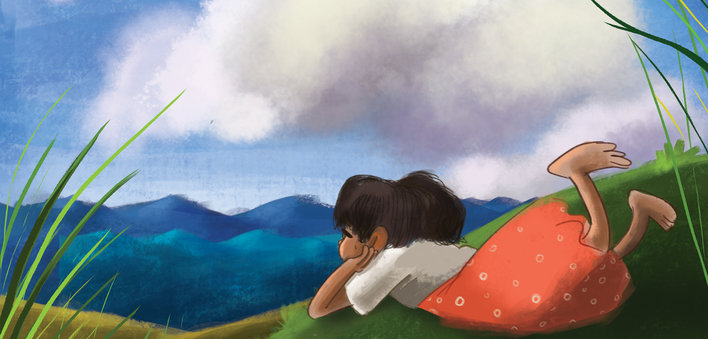
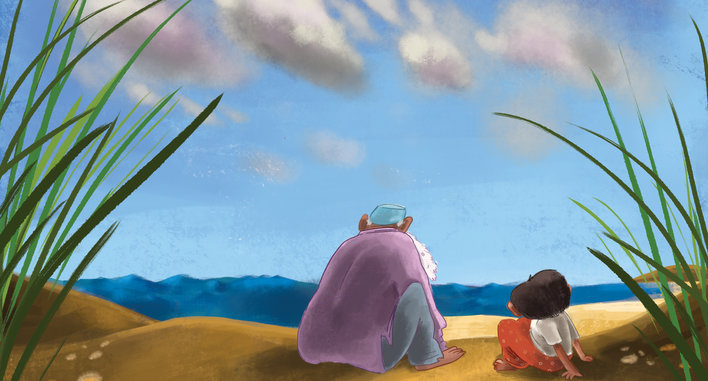
Dadu and Muznah love watching clouds.
“Did you know that your name comes from the clouds? Muznah means the cloud that carries the rain,” says Dadu.

There are so many shapes in the clouds–a cauliflower, a moustache, a crescent moon.
Muznah spots a dog-shaped one. “It has such a biiiiig nose!”

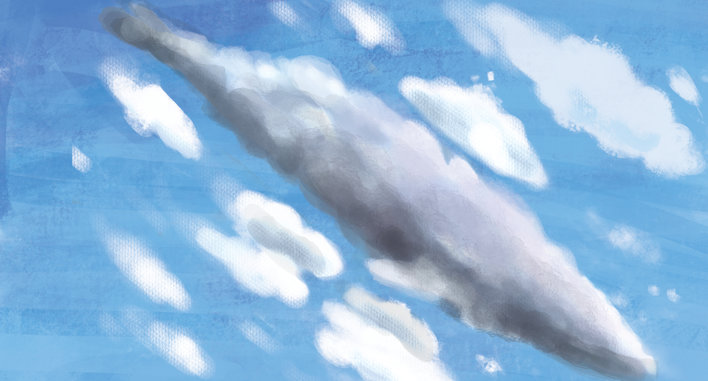
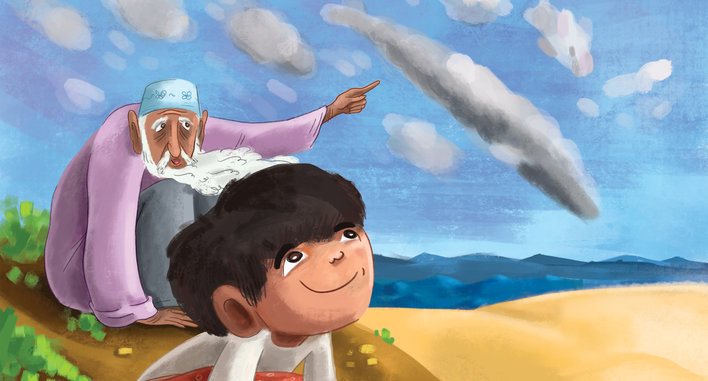
“See that cloud there? I know of an animal that looks just like it,” says Dadu.
“Really?” asks Muznah excitedly.
“It’s called a whale and it lives in the ocean.”
“Tell me more!” says Muznah.
“Well, there are many kinds of whales, but the size of this cloud makes me think of a blue whale. The blue whale is the biggest animal that has ever lived on Earth, much bigger than a dinosaur and much, much bigger than an elephant,” says Dadu.
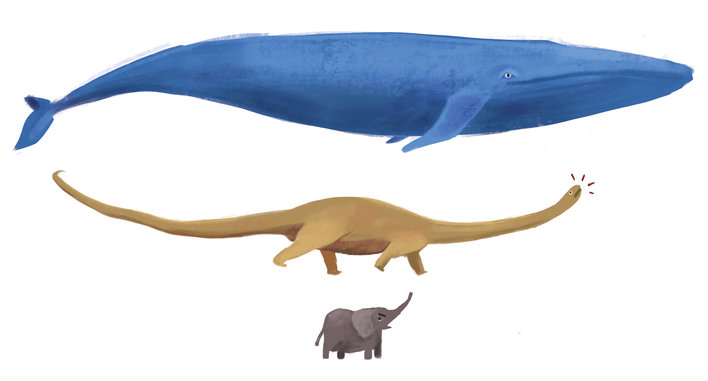
“Sooooooooooooooo big!” says Muznah.
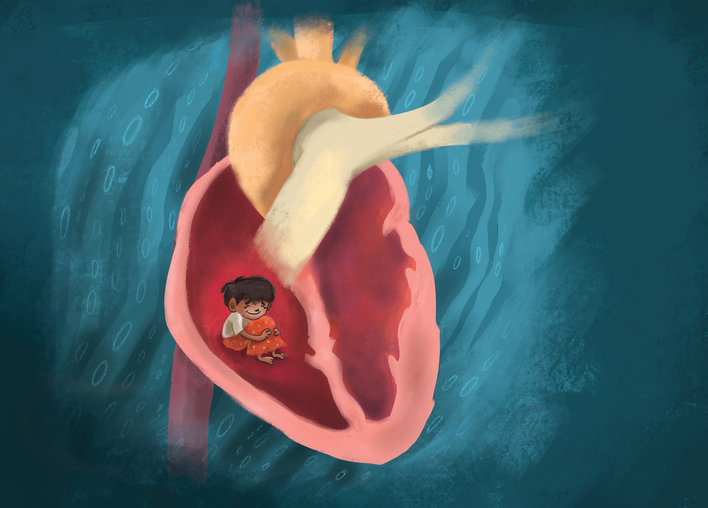
“It’s so big that you would be able to sit inside its heart,” explains Dadu.
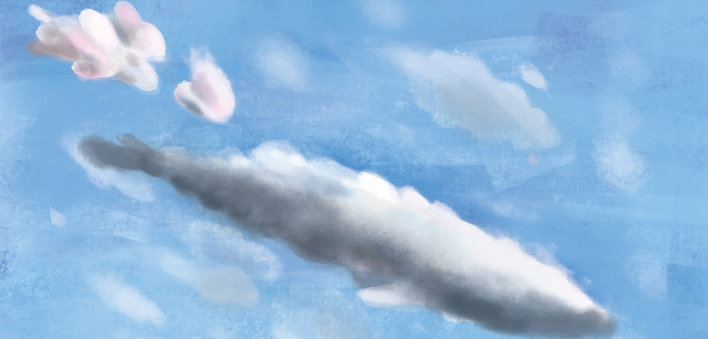
“Your dog’s nose is floating away,” laughs Dadu.
“Maybe the nose doesn’t like the dog anymore,” Muznah giggles. “Arre! It’s floating towards the whale-cloud. What will the whale do with a nose? Fish need gills, not a nose to breathe underwater.”
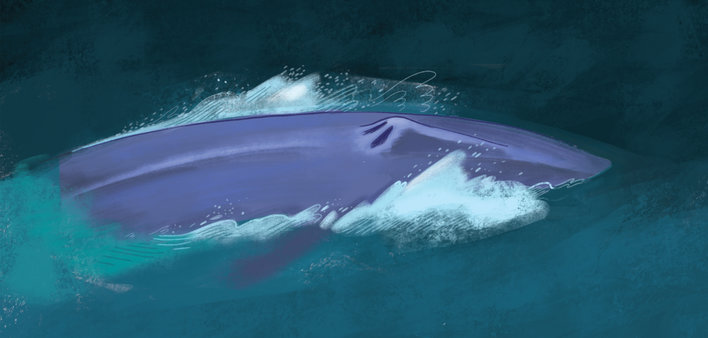
“That is true for a fish. But the blue whale is not a fish. It breathes air and so it has a nose,” says Dadu.
“It must have the BIGGEST nose in the world! How does it breathe air, if it lives underwater?”
“Whales are very special,” explains Dadu. “They breathe at the surface of the ocean.”
“Ooooooo... so the whale swims in backstroke?” Muznah asks.
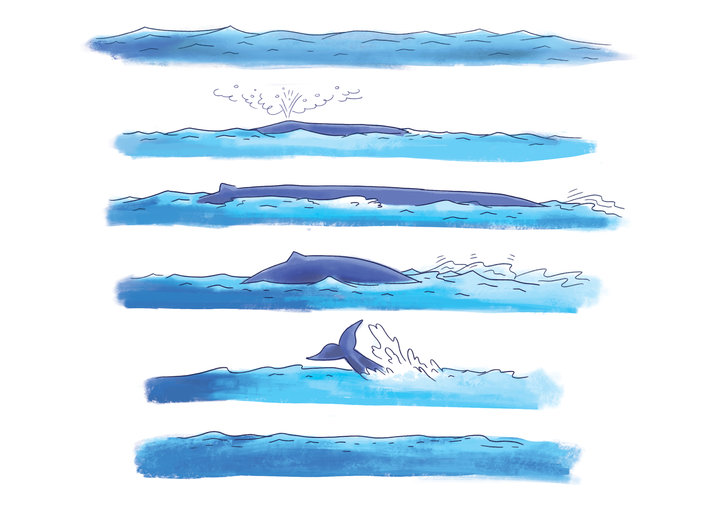
“You have a vivid imagination, Muznah!” laughs Dadu. “The whale's nose is on its back!”
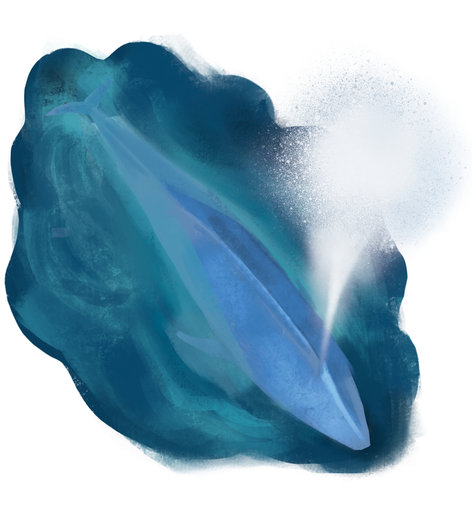
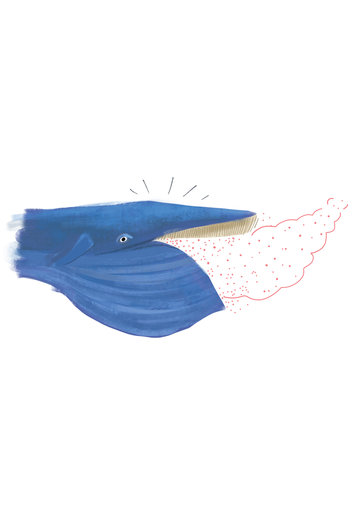
In fact, says Dadu, the sound of a whale breathing can be heard from far, far away. “The whale takes a breath, goes under water, comes out of the water again, and goes PFFFFFFFFFFFFFFFFFFFFFF. Each breath creates a fountain on top of the whale’s nose.”
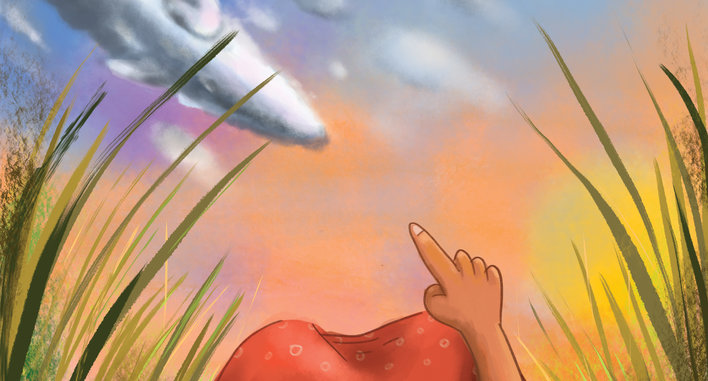
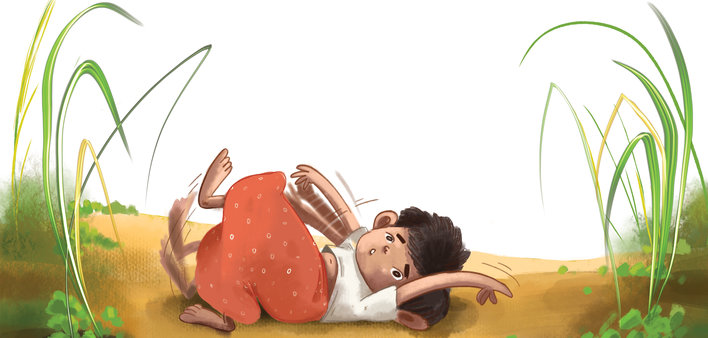
Muznah gazes at the whale-cloud. “The whale with the nose on its back is moving towards us, Dadu!” She lies on her back, her arms tucked in like fins. Waving her arms, Muznah shouts, “I’m a whale too...

... PFFFFFFFFFFFFFFFFFFFFFFFFFFFFFFFFFFFFFFFFFFF, hello whale!”
Whale Watching!
Here are some fun facts about whales.
Whales are of many shapes and sizes, and live in all the oceans of the planet.
They even breathe out fountains in different shapes and sizes! Scientists who study them can tell different whales apart by observing their breathing.
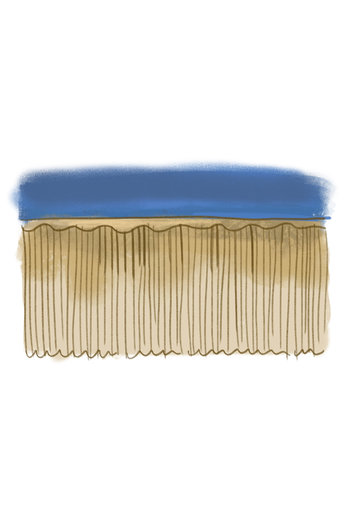
Blue whales don’t have teeth. Instead, they eat very small animals by swallowing a large amount of water and then filtering the animals in their baleen plates.
They are mammals, which means they have babies, just like we do. Their babies are called calves. The calves swim with their mothers for years to learn all the wisdom needed to live happily in the oceans.
Crossing the Line
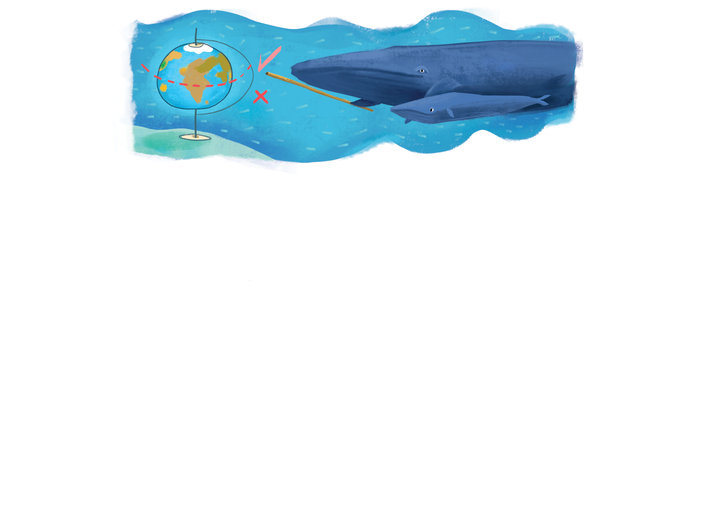
During summer, a mother whale and her calf move towards the polar regions, where there is more food. In winter, when the polar seas freezes, they move towards the tropics. Whales which live in the Southern hemisphere never cross over to the North. Those that live in the North never cross over to the South. Since the equator is not a real line in the oceans, only the whales know why they do not cross it! Even with all our technology, we still do not know how they do it.