This Land Is My School: Dadaji Khobragade, the Rice Man of India
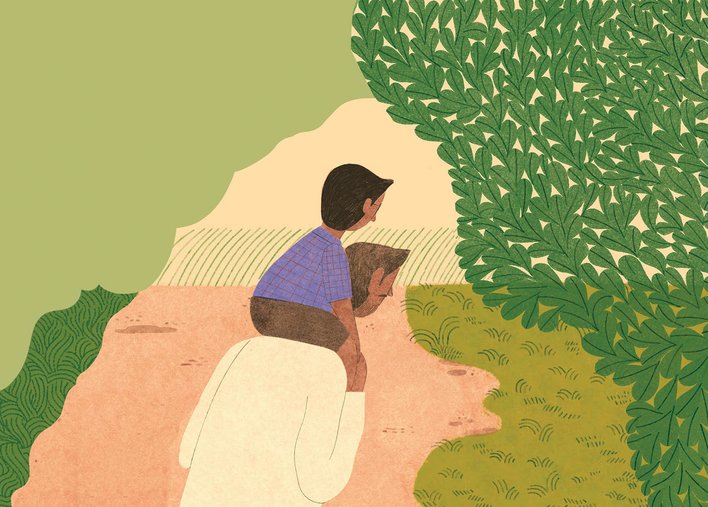
A boy sat on his father’s shoulders, listening as...
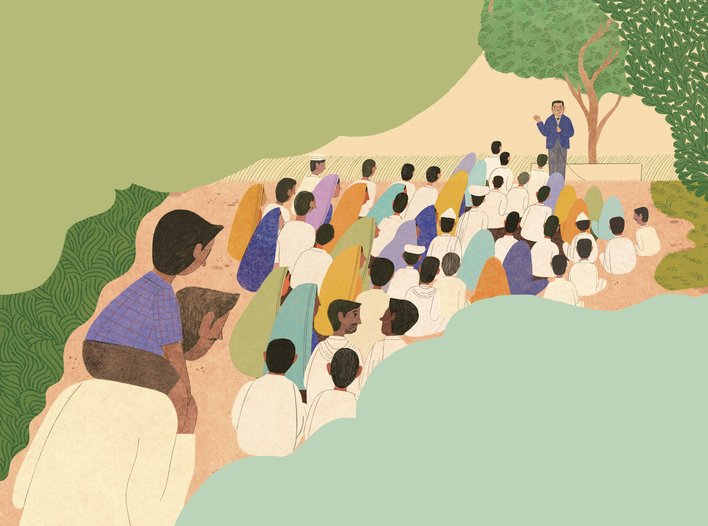
Dr B.R. Ambedkar (Babasaheb) spoke about the need for unity and fraternity in the community, to get children educated, to start moving to cities to live a dignified life, and the need to give back to society. For the Mahar community, life in their villages was extremely difficult due to casteism.
The sabha was full of grown-ups, but the boy felt as if they were all children and Babasaheb was their teacher, to whom they were listening carefully.
Purposeful words of Babasaheb echoed in the boy’s ears ever since.
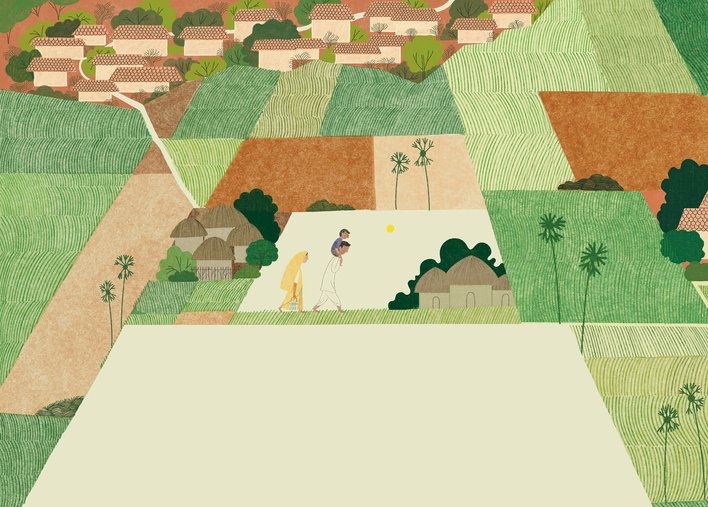
That boy was Dadaji Ramaji Khobragade, born in 1939 into a Mahar family in a small village in the region of Vidarbha.
He studied in a school in his village until the third standard. To study further, one had to go to far away places from the village.
But because of an illness and the social barriers of caste, he could not study further.
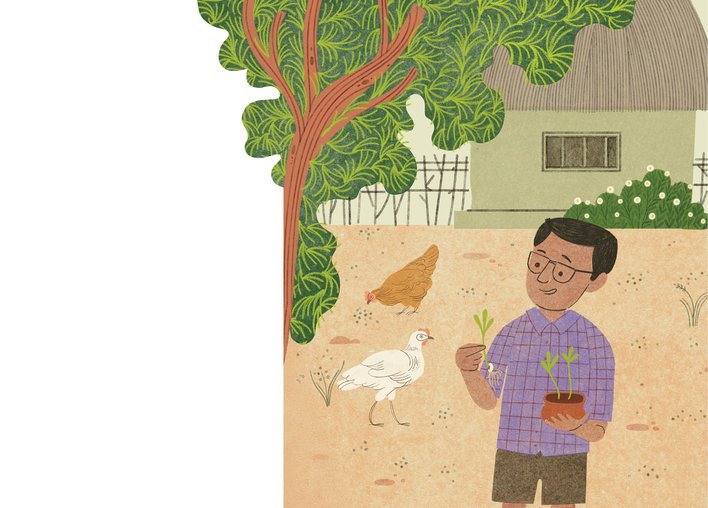
But Dadaji remained curious always. He wanted to make the world a better place. Like a scientist, he was always thinking about the world around him—how he could contribute to it, how he could make it a better place.
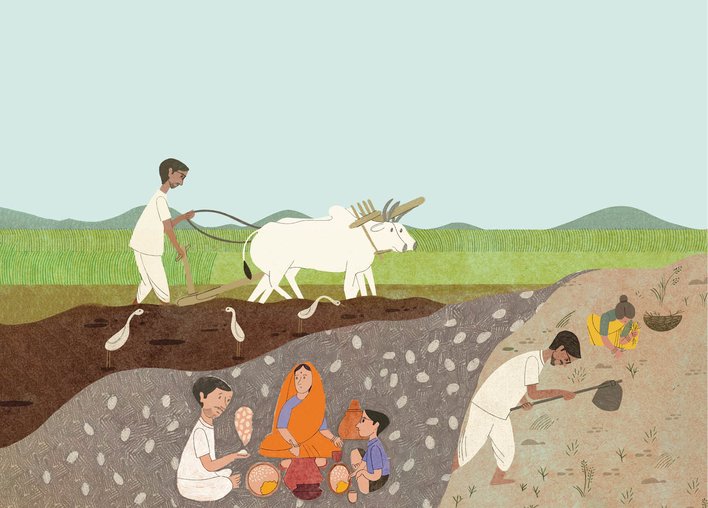
Dadaji began working on his small family farm. The earth was his grandmother and the sky his grandfather. In their company, he began to learn. He felt secure and comforted.
The land became his school for life.
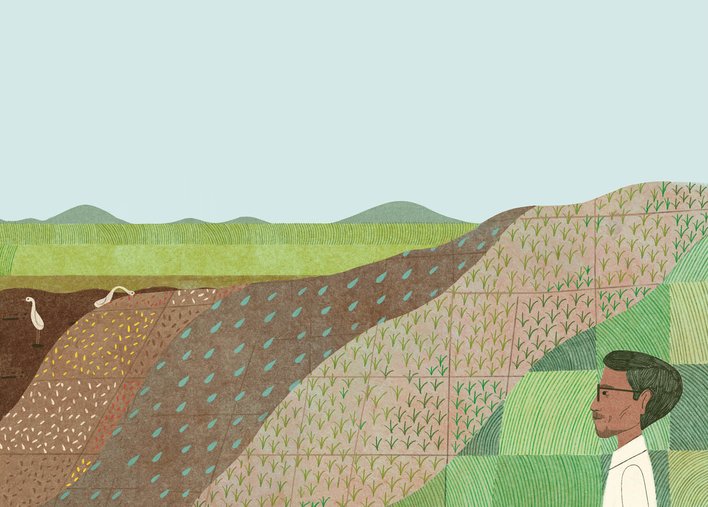
For years, Dadaji’s family had cultivated a thick variety of rice that had very little fragrance. The yield was low.
Dadaji wanted to see if there were better varieties of rice. Like a scientist, he too found a field in which he could conduct experiments and work towards possible discoveries.
He began growing different varieties of rice. But rice requires patience and time. It needs proper rain. Once the yield sprouts, the crop has to be observed closely and protected until it is ready to be harvested.
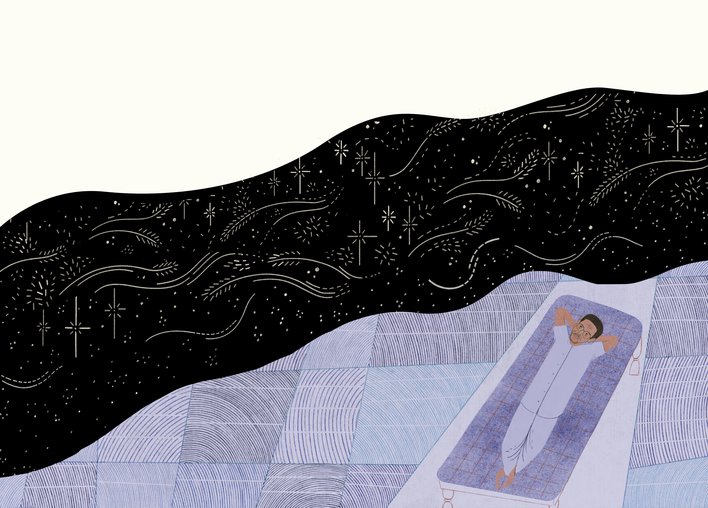
Dadaji would get up early in the morning, go to the farm, return home in the afternoon for lunch, and then go back to the farm. On summer nights, he would sleep on his farm. He would look at the starry sky, imagine the stars as grains of rice planted in the sky.
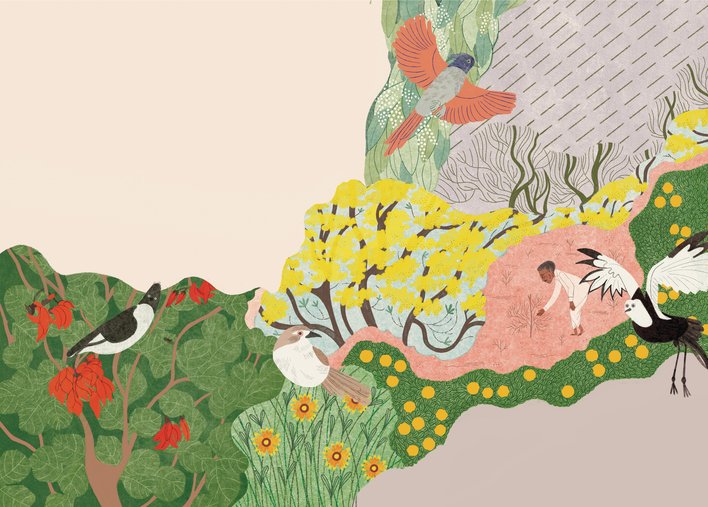
He started noticing changes in the trees, plants, soil and environment around his farm. He learned from the plants that life is refreshing. From changes in the weather, he learned that life is ever changing and one must move on in life.
From the soil of his farm, he learned to see the world with compassion and love. From birds that flew to his farm, he learned that the world is never devoid of music.
For years, he observed the seasons, changes in the weather, and the effects of fertilisers.
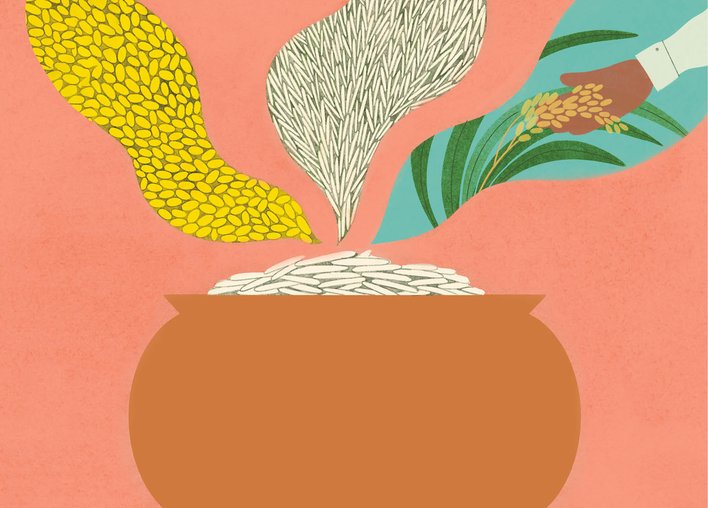
In 1990, he saw some unusual changes in the paddy. The seeds were yellow, and as they matured, the grain looked longer and finer than before. He took good care of these different-looking rice plants.
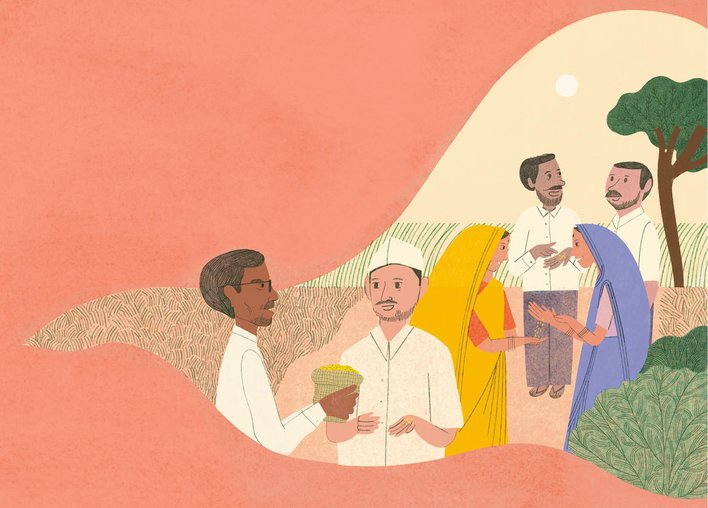
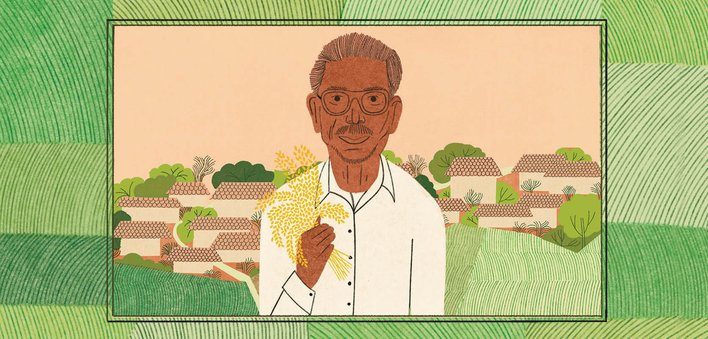
When the crop was harvested, the new rice grains were not only longer but, when cooked, they smelled earthy and delicious. Dadaji was so happy to have discovered this new variety of rice and shared it with other farmers in his village.
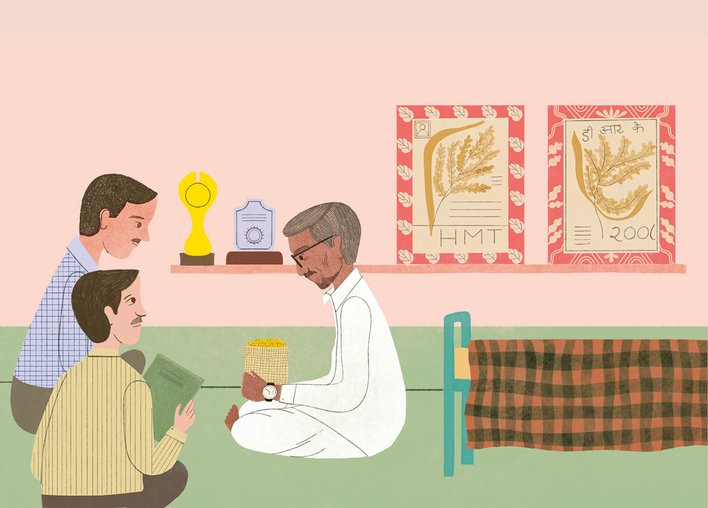
After waiting for a year or so, the local agricultural centre approved this new variety of rice. When asked what it should be named, Dadaji didn’t have an answer. Finally, he decided to name it after a wristwatch that was popular in villages back then. Wearing a watch was considered a matter of pride. And thus was born HMT Rice, discovered by Dadaji.
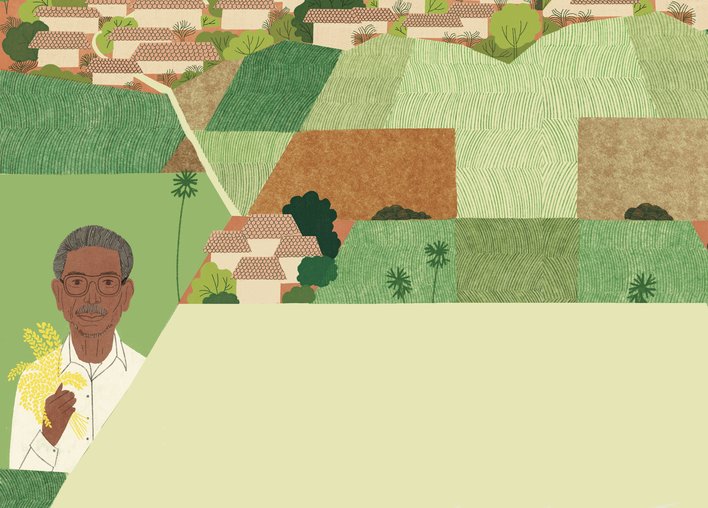
Dadaji went on to discover eight more varieties of rice. He shared them with other farmers. As they began cultivating the new varieties, their profits increased. For the first time, their homes had tiled roofs.
The land on which he worked, that taught him to share so that all humans could prosper and live dignified lives, was his school of life.
Today, Dadaji Ramaji Khobragade is known as the rice man of India.