The Mighty Tethys Sea
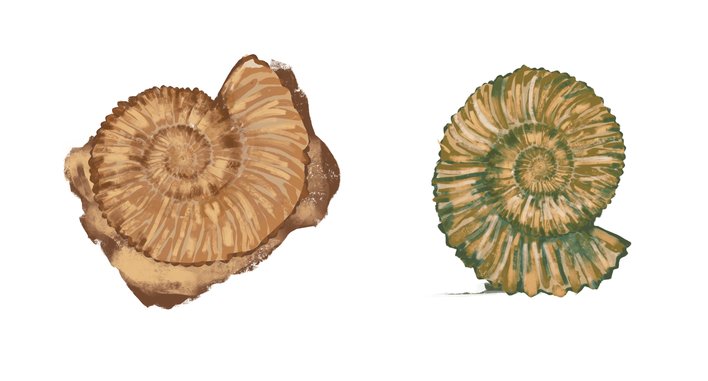
Here are some fossils.
Fossils are the preserved remains or traces of a living organism, plant or animal. They tell us what life on Earth was like hundreds, thousands or even millions of years ago!
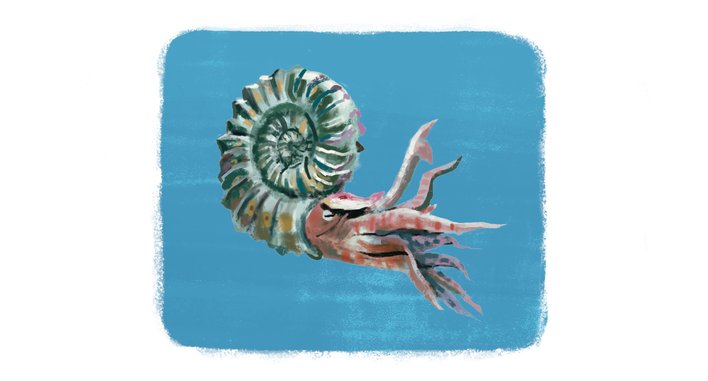
This is the fossil of a creature called an ammonite.
Ammonites were squid-like creatures that lived in the sea 400 million to 65 million years ago.
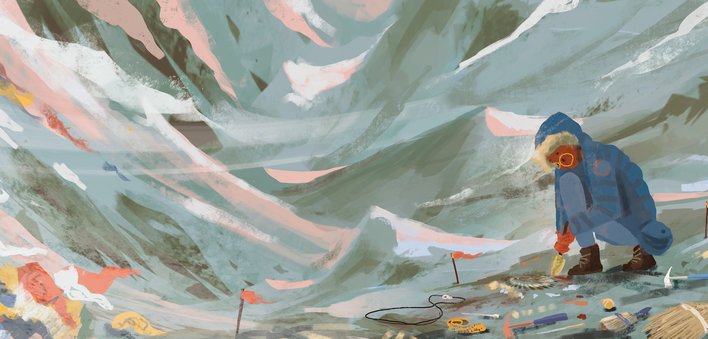
Paleontologists and archaeologists are scientists who dig up the ground to find fossils.
When they dug in the Himalayas, they found lots of ammonites. But how did the fossils of sea creatures end up on the tallest mountains in the world?
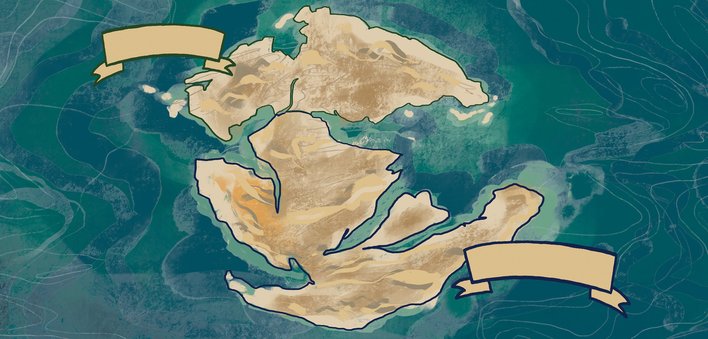
To answer this question, we have to go back a hundred million years, when the Earth was quite different. Back then, Earth had only two enormous continents: Gondwanaland and Laurasia. Between them was the gigantic Tethys Sea.
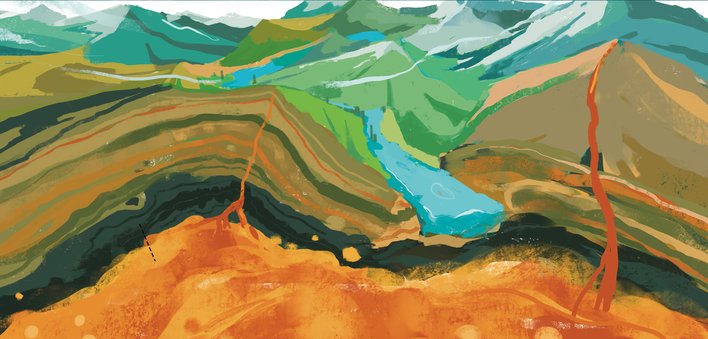
Just beneath the surface of the continents and the sea sits a layer of Earth called the outer crust. This outer crust is made of very large moving pieces called plates. Earth’s plates are almost 100 kilometres thick and made of solid rock. But underneath is a layer of molten rock that allows the plates on top to move really slowly.
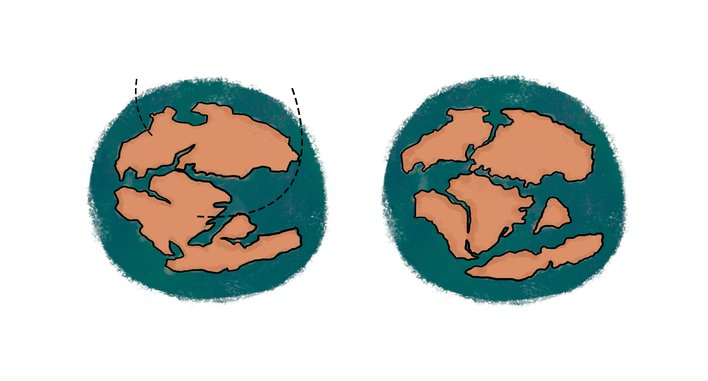
As the plates moved, the two supercontinents began to break apart into smaller and smaller pieces.
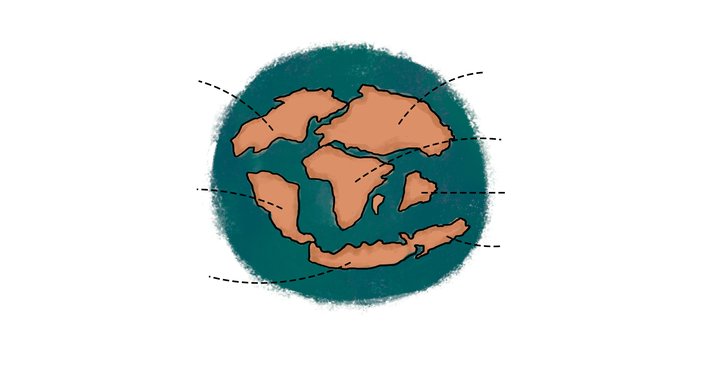
All of the pieces began moving, each off on its own journey. We will now follow the journey of two plates in particular.
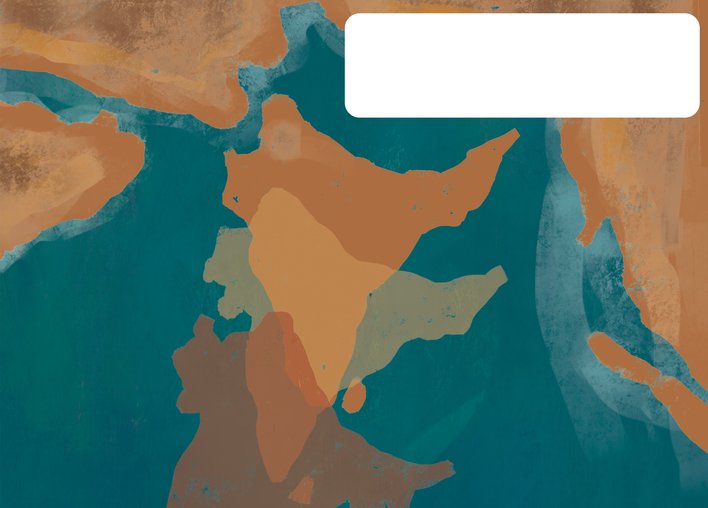
The Indian plate was a fast-moving plate. It moved closer and closer to the Eurasian plate until...
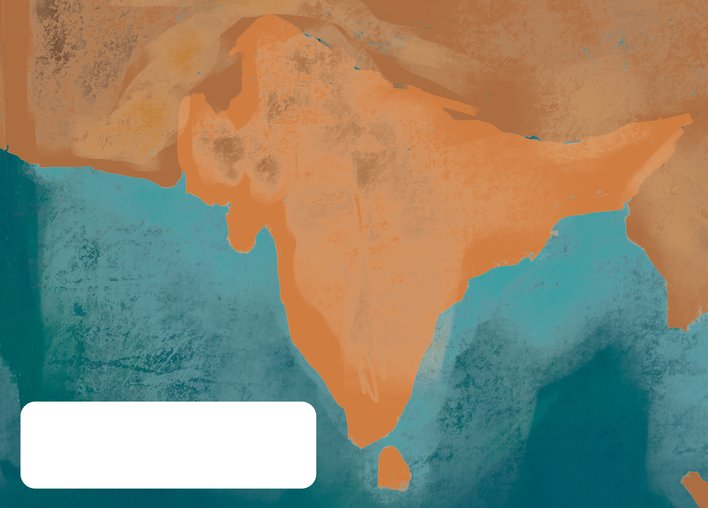
...BAM! It collided right into it!
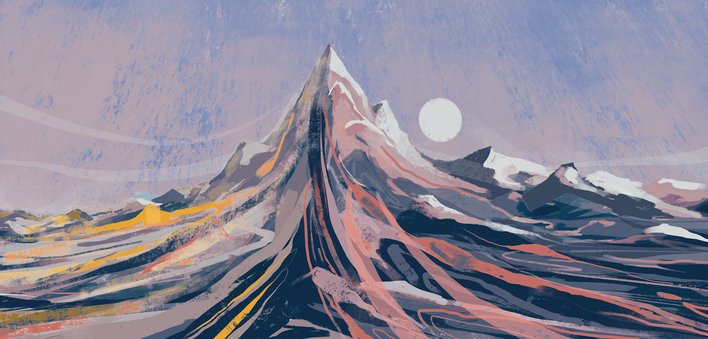
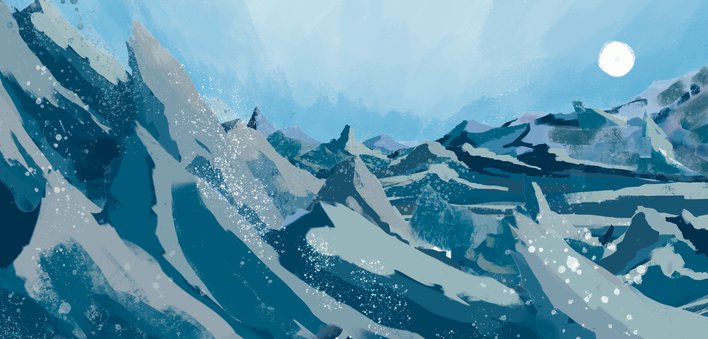
This collision was so powerful that it caused the bed of the Tethys Sea to rise up, sea creatures and all, and form the Himalayas. How do we know all this? Well, remember the ammonites? Until the fossils of these sea creatures were discovered, we didn’t know for sure that plates were under the continents and oceans, moving about.
And you know what?
The plates are still there, beneath our feet, moving very, very slowly.
(Except for when they move suddenly, which causes big earthquakes!)