The Girl Who Thinks in Numbers: Data Warrior Prukalpa Sankar

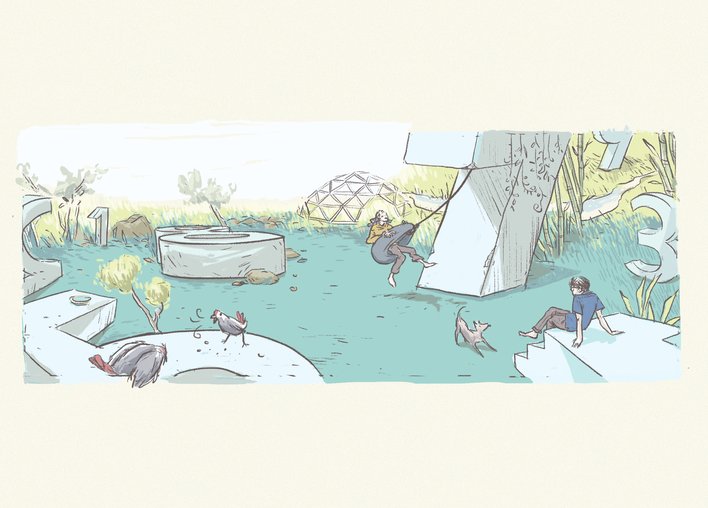
Prukalpa loves numbers.
She loves them because she knows numbers can solve problems.

Numbers help build patterns and stories.
Numbers connect people.
They also give people power.
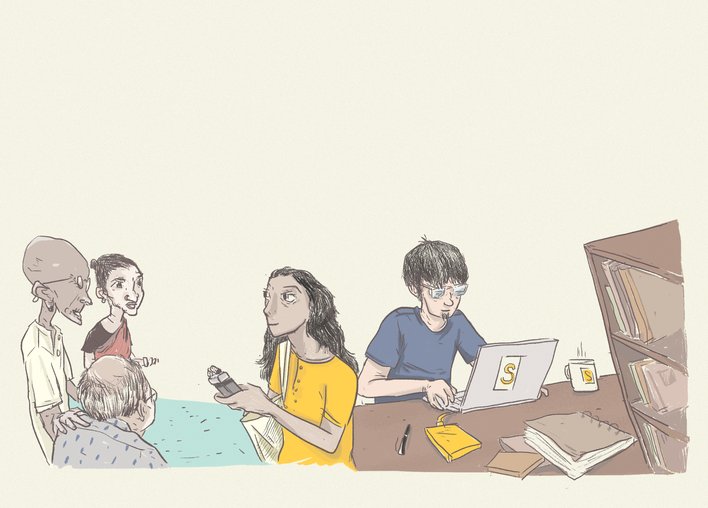
This is what she does at SocialCops, a company she has started with her friend Varun.
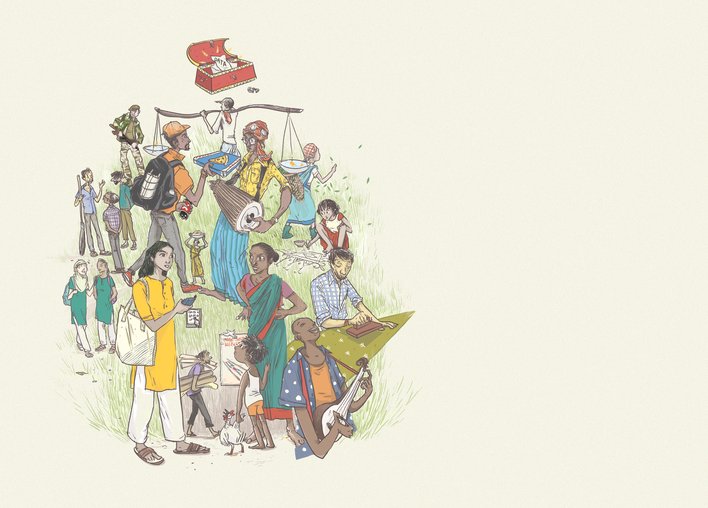
Prukalpa’s favourite numbers involve collecting large quantities of information about people. This is called data.
These days, people say, data is more valuable than oil or gold. Why is that?
How can a few numbers, or even many numbers, be worth more than some of the most valuable things in the world?
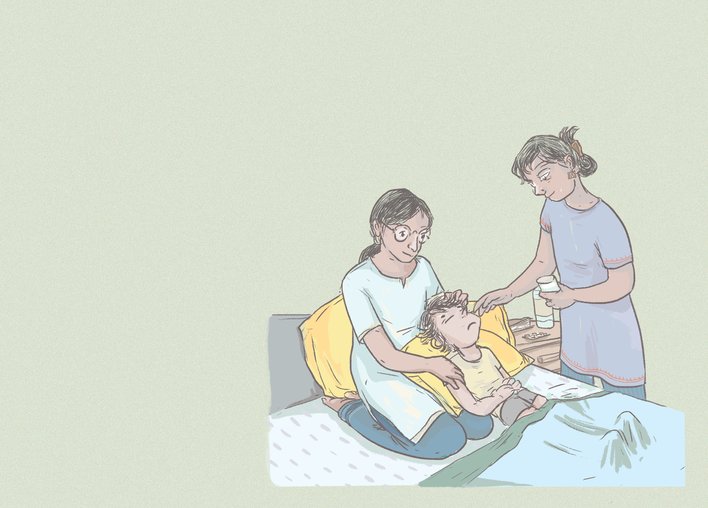
Let’s take your school, and you, for example.
You didn’t go to school twice this week. You had a stomach bug. It made you vomit. It gave you cramps.
It doesn’t seem very important information to anybody else.
Only your parents, teachers and you care, right?
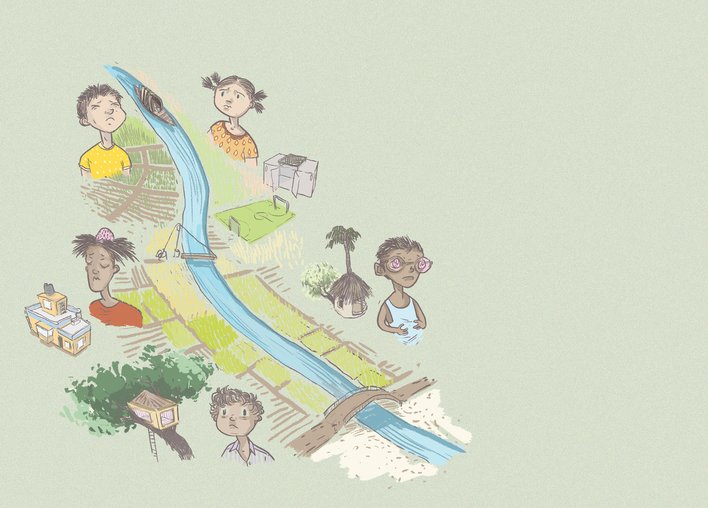
But what if five other children in your class were also sick on the same days?
Often what happens to you isn’t just about you.
What if their stomach cramps kept them home too?
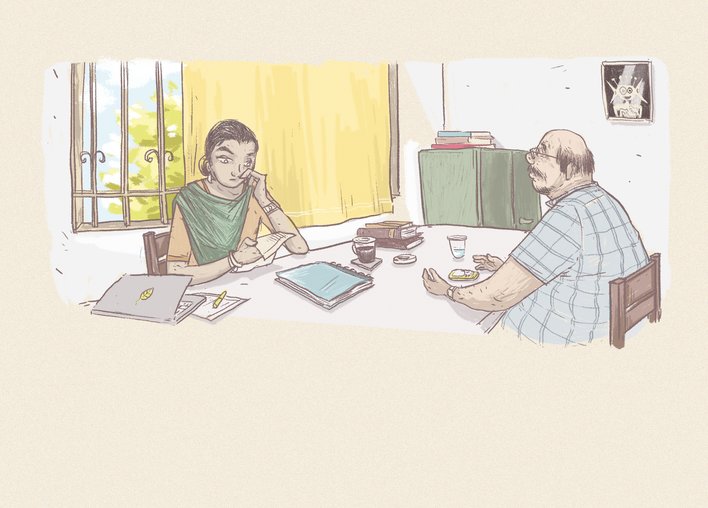
If the principal got this information, she might wonder why six students of a class fell ill in the same way on the same day?

Was it the lunch served at school?
Could it be the water they drank in school?

This is how information about groups can be very useful.
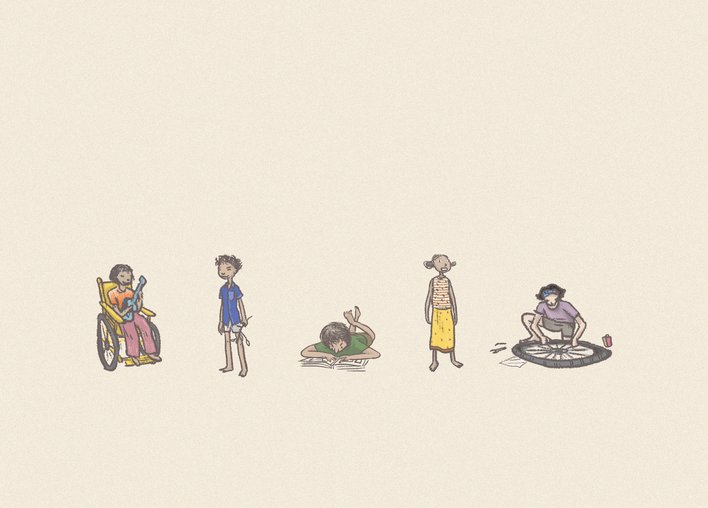
When information about your classmates is put together in one place, it becomes community data.
Community data is information about a group of people related to each other, like you and your classmates.
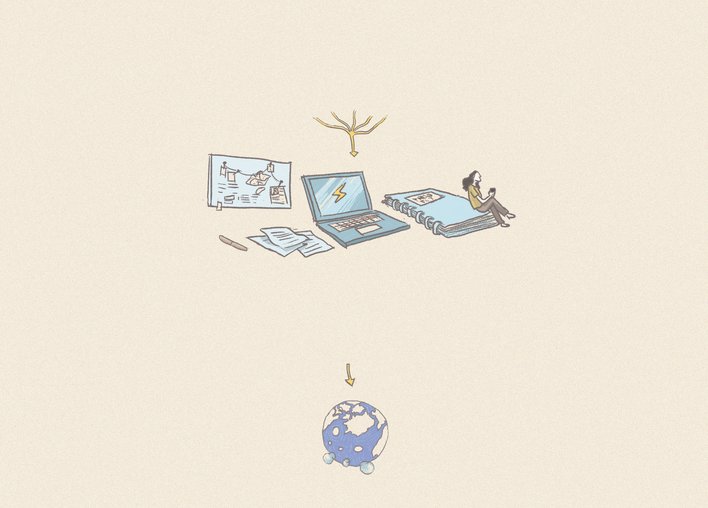
This data comes from each of you. It is crowdsourced, which means it has been collected from people.
This is how Prukalpa uses numbers or data. She collects it to solve problems, and to help manage schools, cities and lives better.
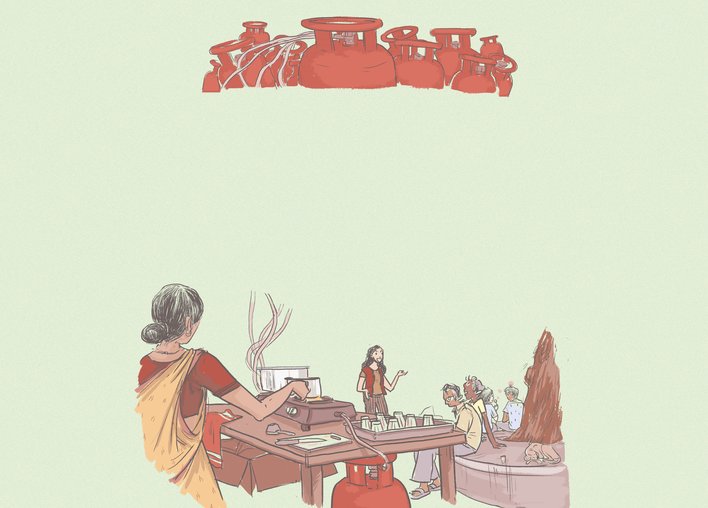
5 crore women 13 states, 640 districts, 50,000 field mechanics, 3 oil companies, 10,000 LPG distribution centres
People impacted Areas Other resources
CLEAN COOKING FUEL IN 3 YEARS
In 11 months, SocialCops helped distribute 2.7 crore LPG connections.
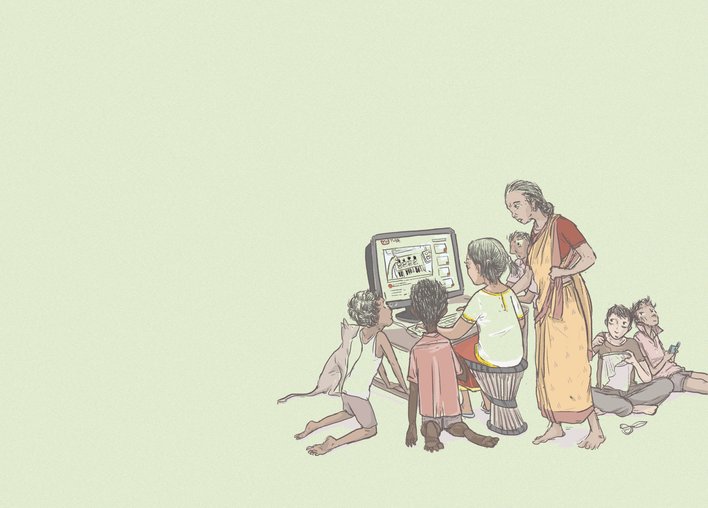
1 crore women 12 states, 1 lakh villages
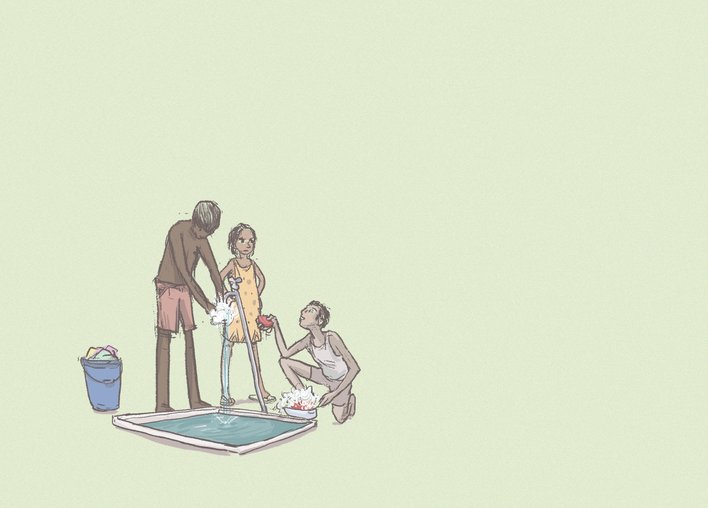
BETTER HYGIENE AND SANITATION LEVELS BY BRINGING ANTIBACTERIAL SOAP TO VILLAGES
Areas Diseases tracked
822 sub-districts 20 diseases tracked for 260 weeks
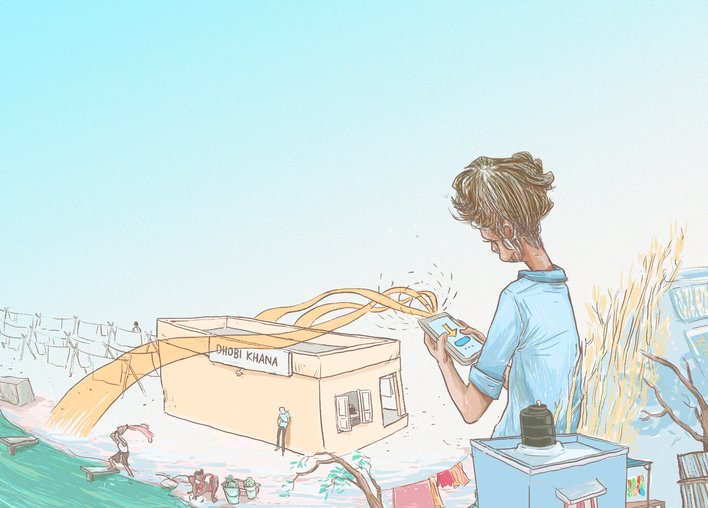
How do Prukalpa and her team get information that government officers and other organisations need to make decisions?
The team puts a simple tool called Collect on people’s phones. This makes it possible for the team to gather useful data from people anywhere in the world.

When you have so many tiny bits of information from individuals, you end up with a massive heap of data.
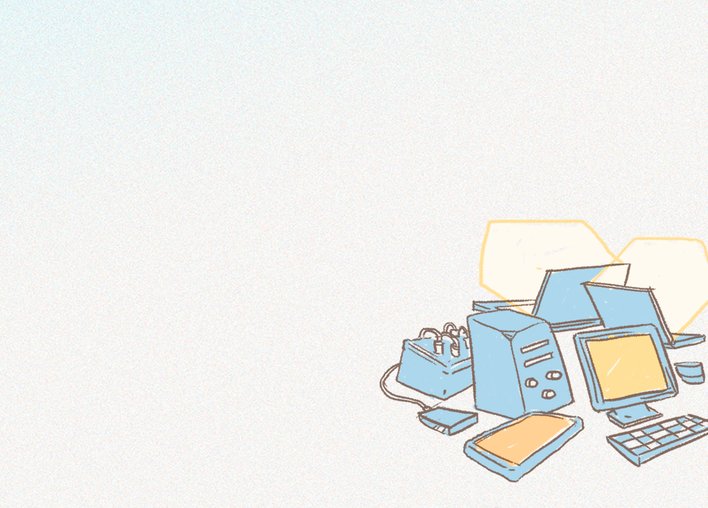
What Prukalpa’s team does is clean up the information and organise it. It’s similar to the way you arrange your desk so you can find pens, papers and other material when you look for them.
How do they do it?
They use powerful computer systems and codes to create connections among different kinds of data. These connections would be very difficult to make without computer systems.
They also use charts, maps and graphs to show how data can link to each other. The data begins to tell stories. The connections become easy to understand.
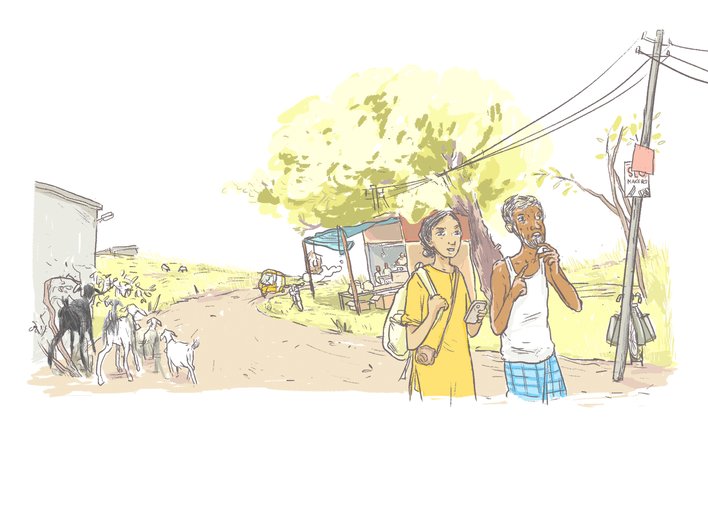
Prukalpa loves what she does. She loves being an entrepreneur.

But it takes relentless hard work to set up a company. To work in small villages that are tough to reach, to work with government departments that might not be ready to try new ideas, and to help people understand why they should value data.

In most places in India, information is still recorded in paper registers. It isn’t available in digital form, which means it is difficult to manage. Also, many government agencies collect data but they don’t work with each other to combine this data in one place. Organising data that is already available has been the biggest challenge for Prukalpa and her team.

What has also been tough is realising that change is a slow, difficult journey-built data by data, person by person.
As an entrepreneur, this is exactly the kind of work Prukalpa wanted to do when she started out. She decided that her love for numbers shouldn’t be used by a large corporate alone.
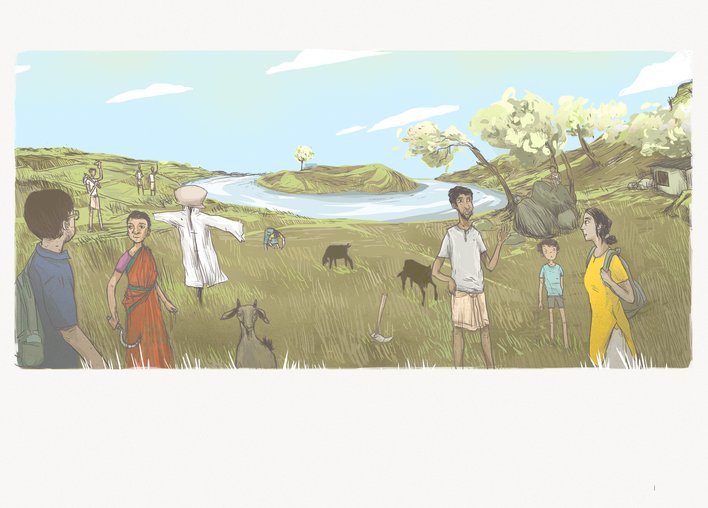
What keeps her going is the satisfaction that comes from making an impact by seeing lives improve and enabling better decisions.
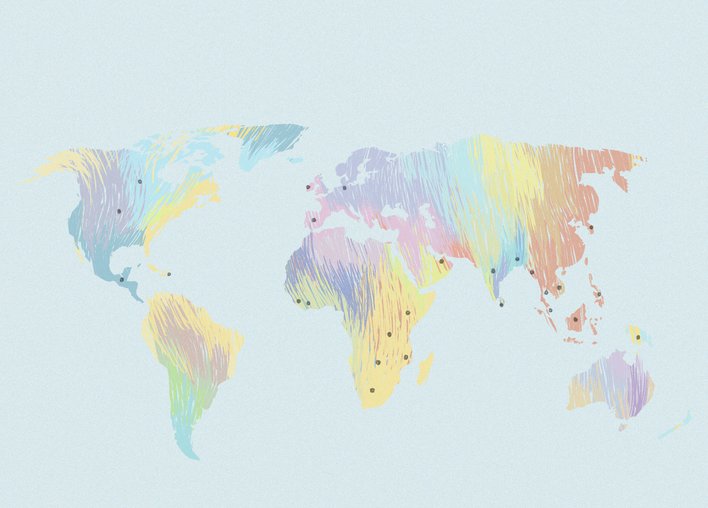
PRUKALPA AND HER TEAM HAVE PARTNERED WITH GOVERNMENTS, BUSINESSES, PHILANTHROPIES, AND NONPROFITS FROM ACROSS THE GLOBE