The Art Gallery on Princess Street
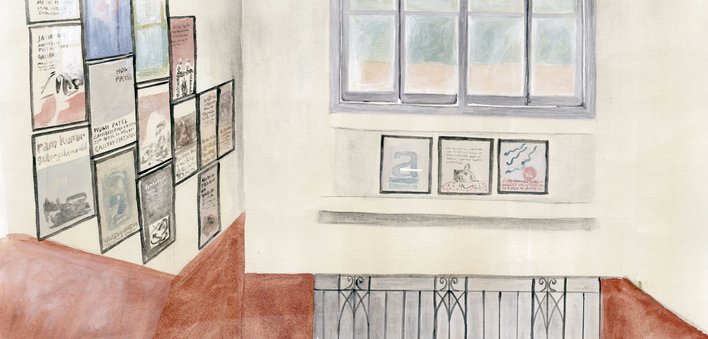
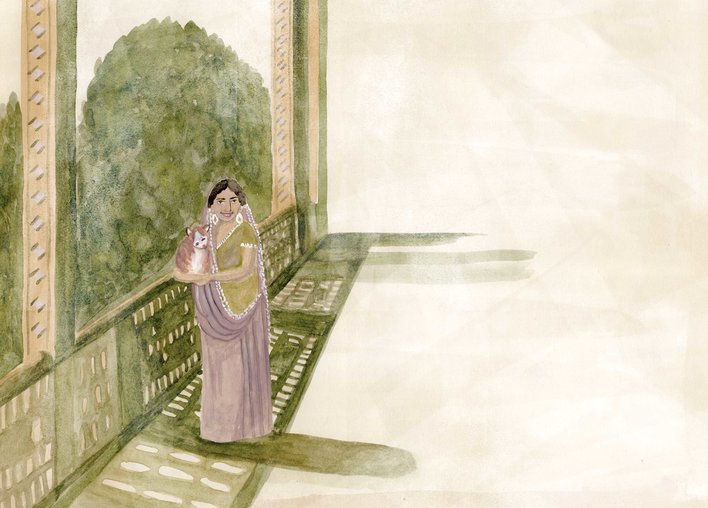
High on Malabar Hill was a beautiful mansion called Aiwan-e Rafiyat.
In it lived Bapsy Sabavala, a woman of great wealth and eccentricity.
She was a social worker. When some people said it was wrong for women to act with men on the stage, she became an actor.
Bapsy was the youngest daughter of Sir Cowasji Jehangir and his wife, Dhanbai.
If you look at the front of Elphinstone College, you will see Cowasji Jehangir’s face on it. So when this rich, respectable woman went on stage, she was making a statement.
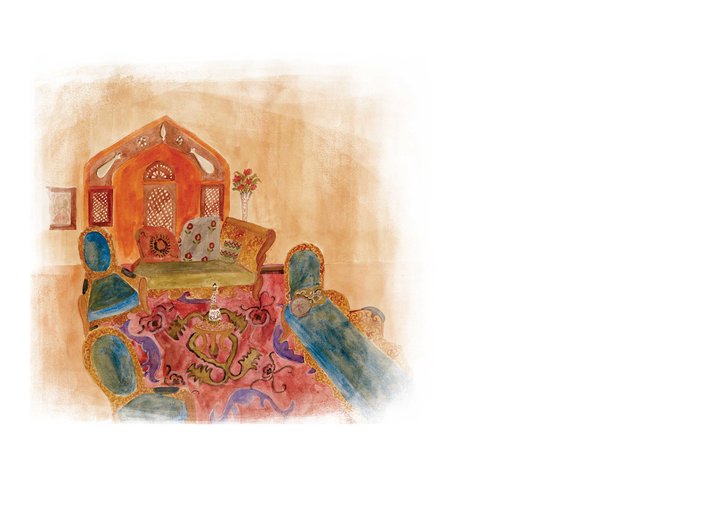
Bapsy’s home, she said, was a symphony in stone. She had brought craftsmen from all over the country to decorate it.
The Sahyadri State Guest House now stands where that bungalow once stood.
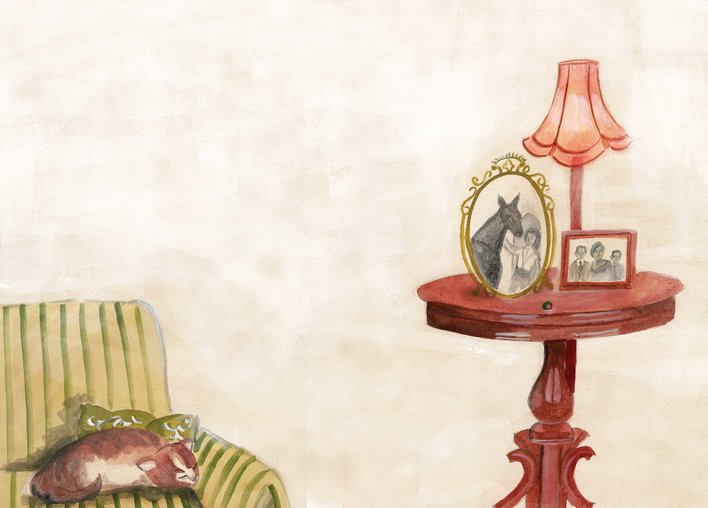
The great loves of Bapsy’s life were her animal friends. Her favourite ring was in the shape of a frog.
Once she threw a ball for animals in the Taj Mahal Hotel. Cats and the dogs from the street were brought in to eat. Bapsy rode a horse up the hotel staircase before she gave her mount his nosebag.
Bapsy had two sons, Shahrukh and Jehangir. Jehangir was a painter. He went to Paris and England to study art. There he met a young woman named Shirin Dastur. They got married and came home.
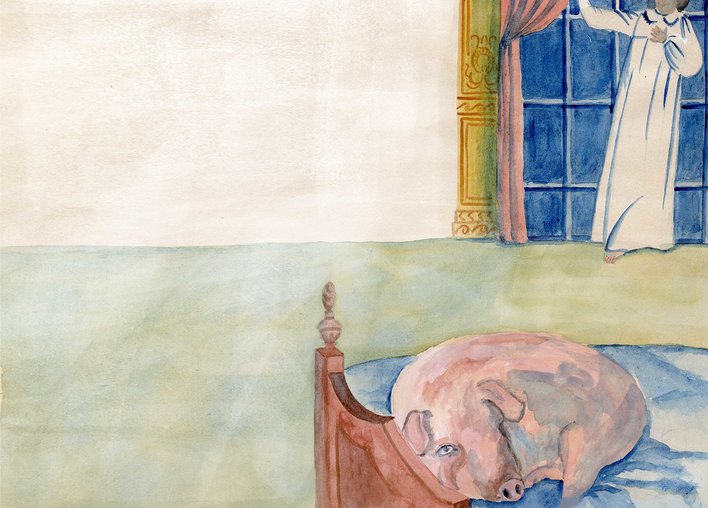
On their first night home, Shirin woke up to a strange sound. She put on the light and saw a pig.
‘Jehangir,’ Shirin said to her husband. ‘There’s a pig in the bedroom.’ Jehangir mumbled, ‘Oh that must be Mother’s pet pig.’ Bapsy was that kind of woman.
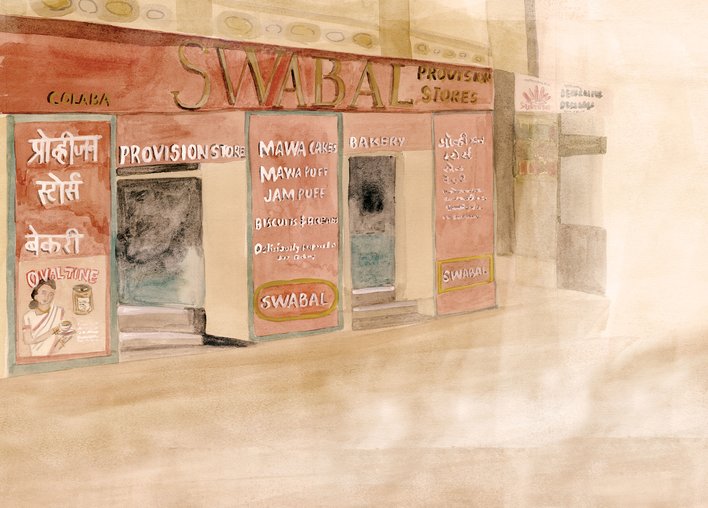
Bapsy was also kind-hearted. She raised money for the victims of the Jallianwalla Bagh massacre. She set up the Swabal Stores in Colaba to help young men get work.
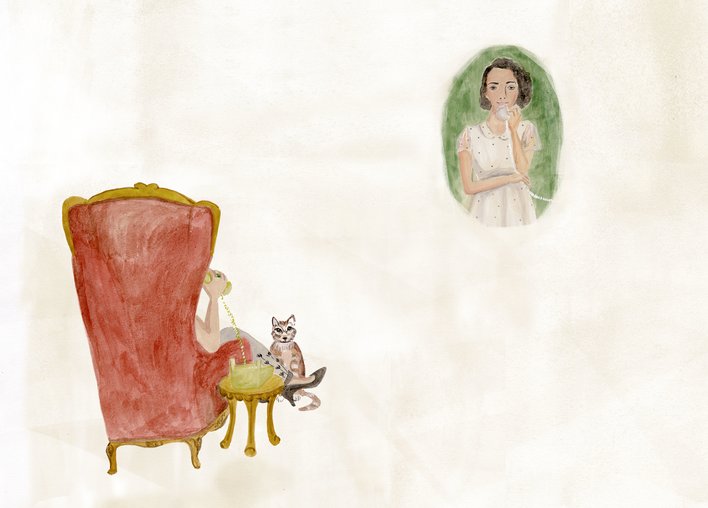
One of the things she did was to throw a tea-dance. She asked Khorshed Adenwalla, who had just finished school, to help.
Bapsy: You must come for the dance too. Khorshed: I don’t think... Bapsy: It will be fun. I know just the man to escort you. Kekoo Gandhy. Khorshed: Does he know he’s the right man to escort me? Bapsy: He will when I tell him. And you will both sit at my son Jehangir’s table.
But her son Jehangir had other ideas. He cancelled the tickets.
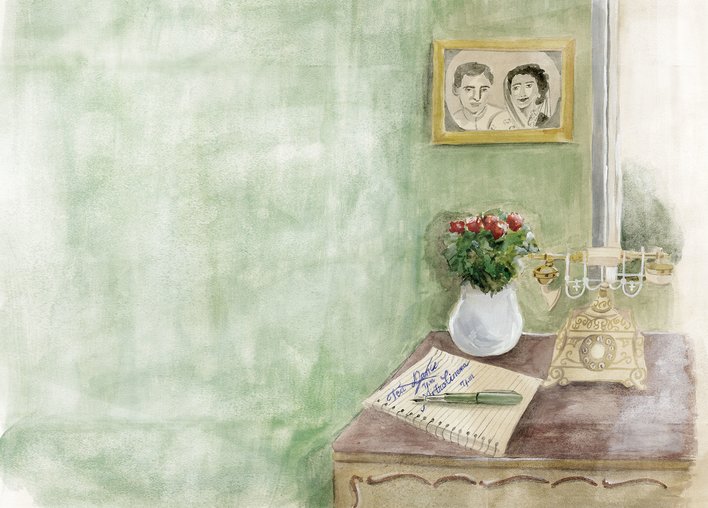
Soon afterward, the phone rang at the Adenwalla household.
Kekoo: Hello, can I speak to Khorshed Adenwalla, please? Khorshed: Speaking. Kekoo: I say, we’re supposed to be going to this dance tomorrow but we can’t. How about watching a film instead?
Khorshed said yes. Later, when Kekoo proposed marriage, she said yes again.
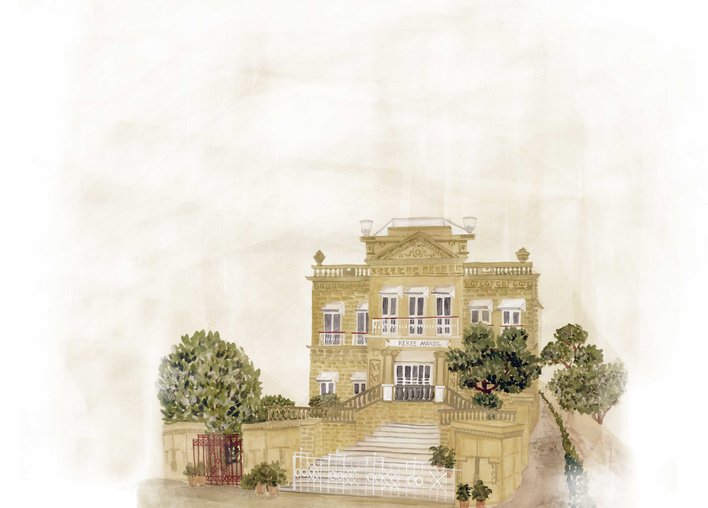
Kekoo Gandhy was a nice young man. He would only get nicer as time went by. His father, a tobacco merchant, had built a beautiful bungalow in Bandra—another symphony in stone—and named it Kekee Manzil.
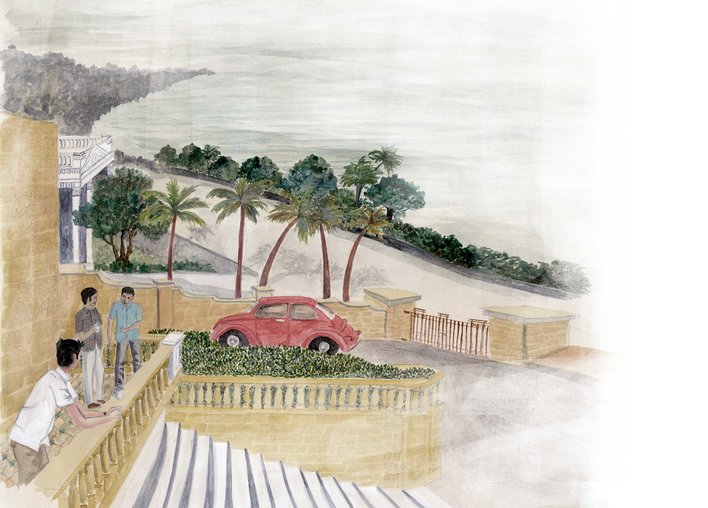
(It’s still there. You can go and sit in a park across the road and look at it. When you’ve had your fill of the sight you can turn a little and look at Mannat, Shahrukh Khan’s bungalow. And when you are tired of that you can watch the sea. Now that, you can look at forever.)
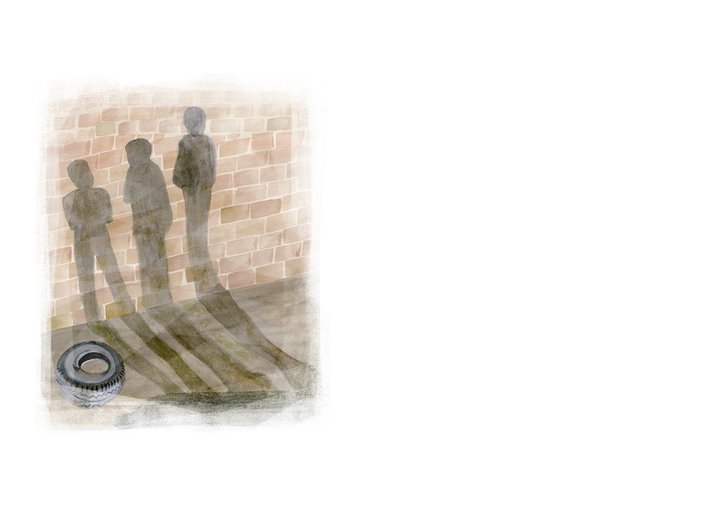
One day, Kekoo and his cousin Dara were in a small car accident. The other car’s driver was Roger Van Damme. He had come to India from Belgium when World War II broke out in Europe.
Roger Van Damme, Kekoo and Dara got talking. Mr Van Damme had noticed that everyone in India had pictures of gods and goddesses.
Kekoo: There are seven goddesses who look after my city. (Their names are Prabhadevi, Mumbadevi, Shitaladevi, Gamdevi, Vajreshwari, Mahalaxmi and Our Lady of the Mount.) Roger: There are some lovely images. We should start a picture framing business.
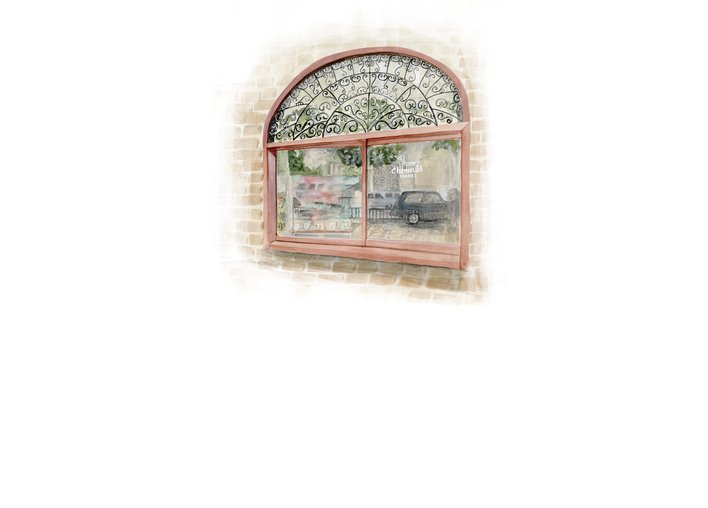
Kekoo told his father about it. His father said, ‘We have some land in Andheri. You can start the company there.’ This was Shapur Baug. This was where the Gandhys and the Van Dammes set up the Chemould Factory. To sell the frames, they started a shop on Princess Street.
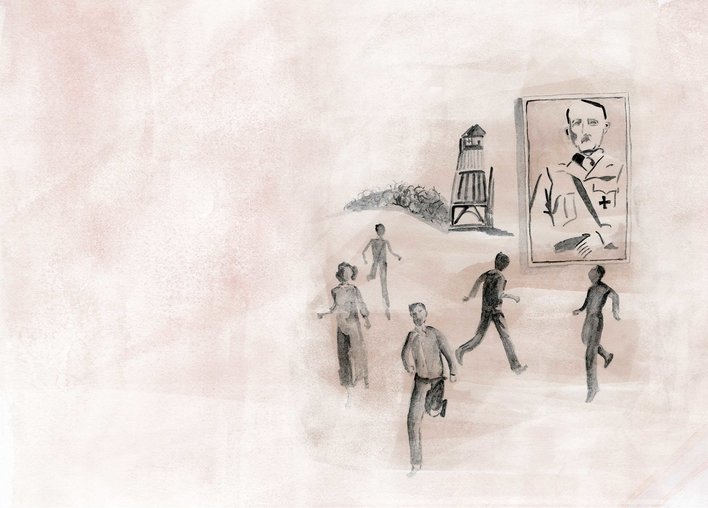
At around the same time, terrible things were happening in Europe. Adolf Hitler was sending the Jews off to concentration camps where they were made to work and when they could no longer work, they were killed. Some Jews ran away from Germany and the surrounding countries. Some went to Switzerland, some to America, some to India.
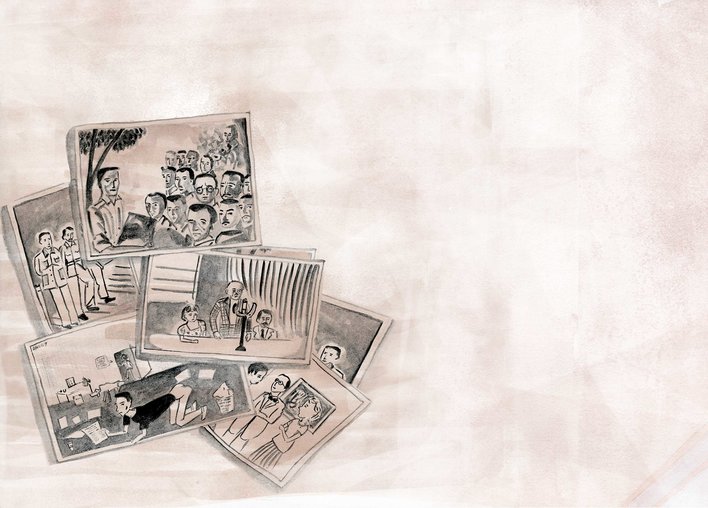
Rudy von Leyden was a geologist who came to Bombay in 1933. He was a cartoonist and became one of the country’s leading art critics.
Emanuel Schlesinger had a hat factory in Austria and had to leave everything behind. But he set up a partnership with a chemist, married a Goan woman and made a fortune again.
Walter Langhammer was a university professor of art. One of his students was Shirin Vimadalal. She saw how bad things were when she travelled to Italy so she arranged for Walter and his family to come to Bombay. Her father helped Walter to get a job at The Times of India.
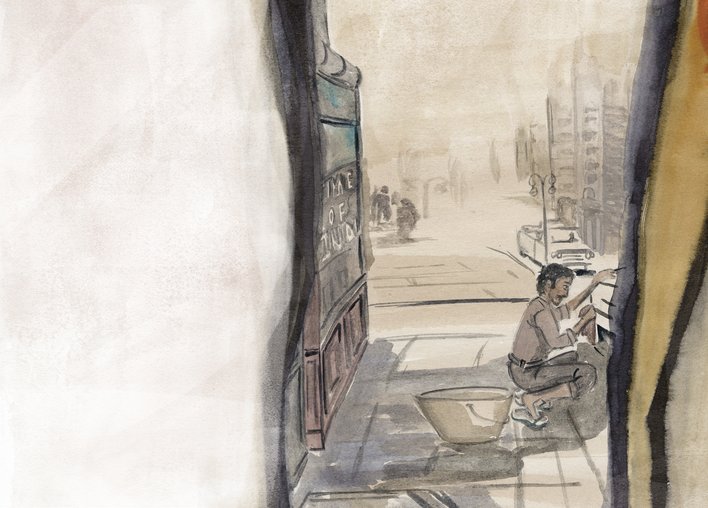
These men were all interested in art. They encouraged young Indian painters and showed them the art being made in Europe and America. Langhammer helped Krishna Howlaji Ara become a painter. Until then, Ara had been washing cars for a living.
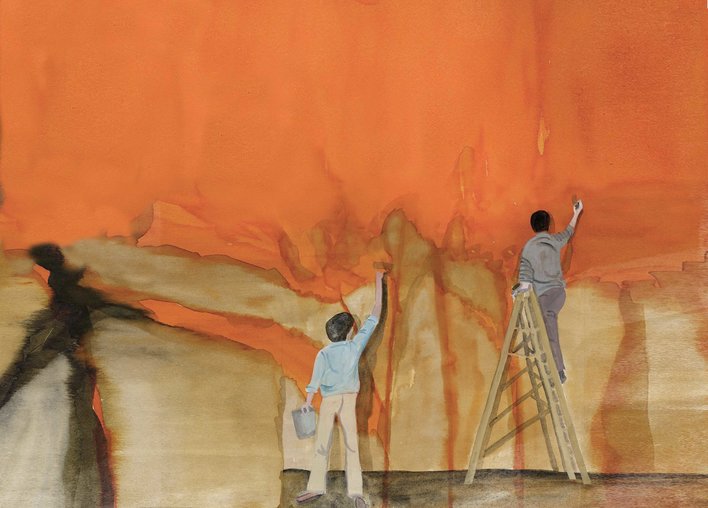
Right across from where Kekoo and Khorshed lived was a prisoner-of-war camp. There were many Italians there. Lord Mountbatten had heard that some of the men were painters. He got them involved in a scheme called MurArt—to paint mess rooms and barracks across India. These were the men with whom Kekoo made friends. That’s where he must have come into contact with modern art. And if you have a picture framing business, you might want to have some artists as friends.
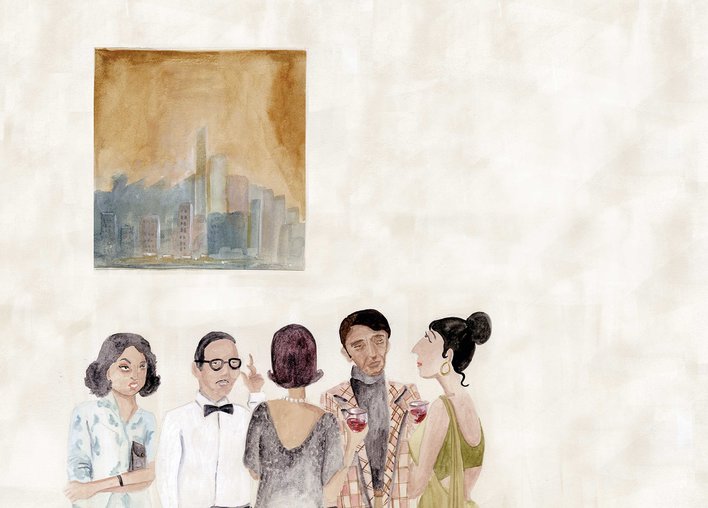
In those days, very few people bought modern Indian art. They liked Mughal miniatures and Pahari paintings. Chola bronzes and Gupta sculptures.
But modern Indian art? ‘My son can do better; and he’s only three years old.’ ‘What does it mean?’ ‘I want something to go with my new bedspread.
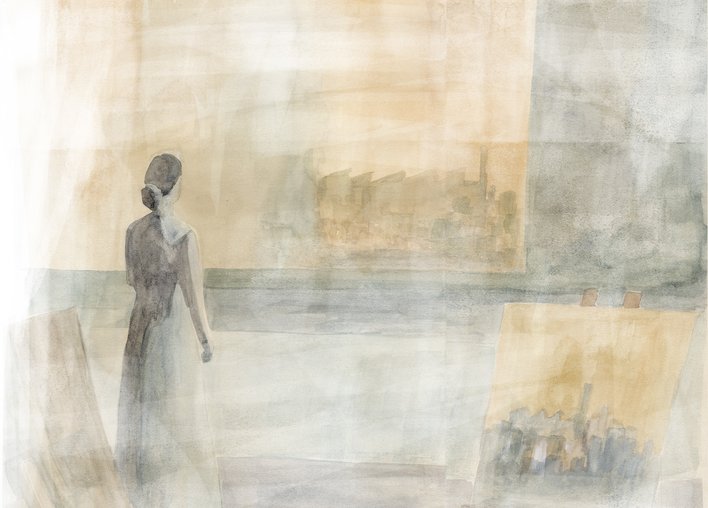
There were some people who realised that art cannot exist outside the world it inhabits. You will want to draw what you see.
The artist in the Mughal court saw the beauty around him and drew from it. The artist in the modern city will draw from it too. Artists draw from their own lives.
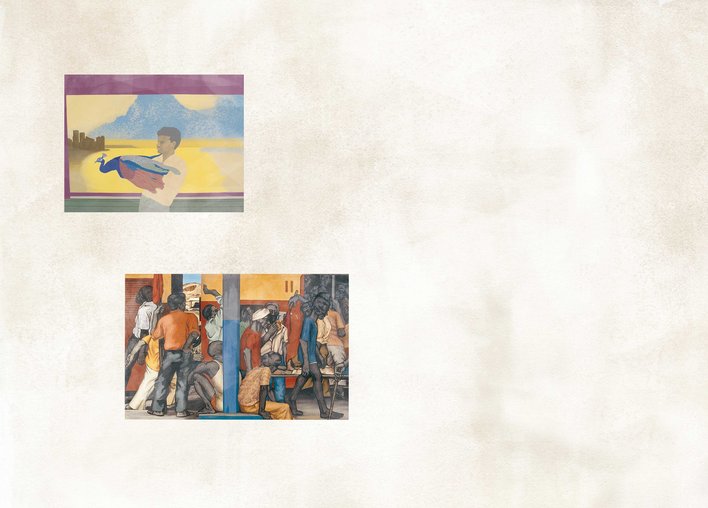
They see people working hard. They might see what happens to nature in a city as when a peacock gets lost in Nariman Point. They look at the people in the train.
But they also look at what we have had, the old things, like Benaras or a chapel in Goa. They see folk art and they see the Great Old Masters and they see taxis. They see animals and sad children with large eyes.
GIEVE PATEL, Peacock at Nariman Point, 1999
SUDHIR PATWARDHAN, Accident on May Day, 1981
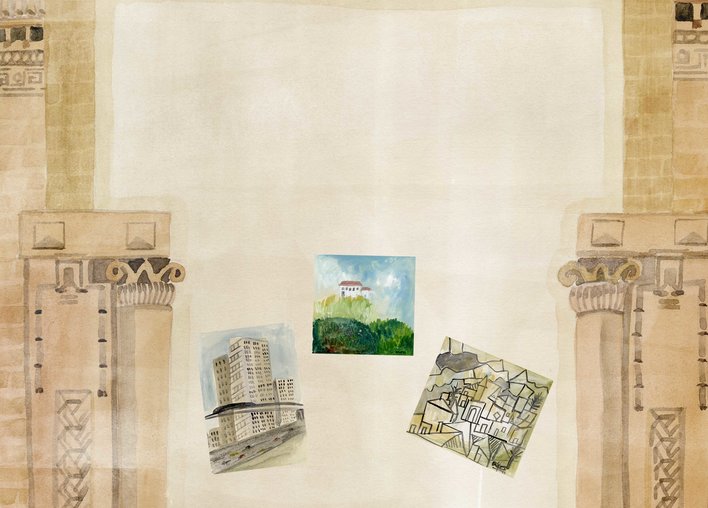
The modern artist does not just reproduce what she or he sees. Photography does that. The artist takes a bit of herself and puts it into the painting. This is not as difficult as it sounds. We do it all the time. Every one draws their houses differently.
A painting is a painting when a bit of the painter sneaks into the painting. It’s sometimes difficult to see how modern art works. But if you look long enough, if you really pay attention to the painting, you begin to understand what the artist is trying to do.
This is probably how Kekoo developed his sense of what good art was. He had spent so much time looking at art that he knew it when he saw it.
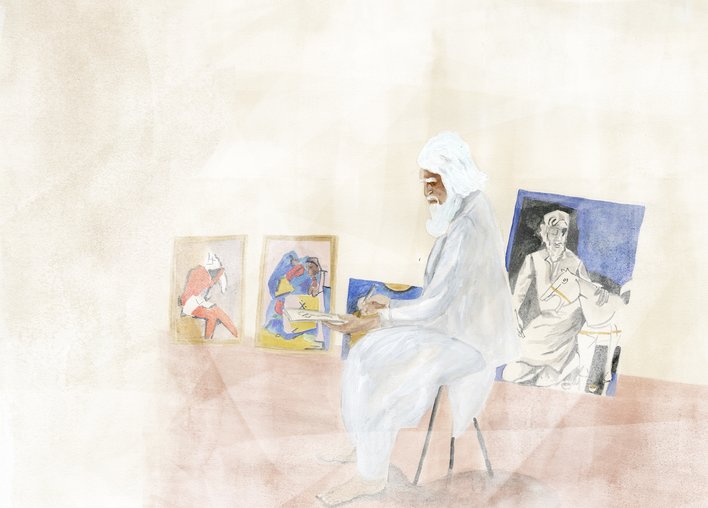
Kekoo began to put some paintings in the window of his shop on Princess Street (today, this is called Shamaldas Gandhi Marg).
Roshan Kalapesi, who was the manager, told all the artists, ‘Don’t make big works. They won’t fit in the window.’
M F Husain sold his first painting from that window.
In 1952, the Jehangir Art Gallery opened its doors. It was a public art gallery, meant for anyone who wanted to put up a show. The manager was Soli Batliwala. He asked Kekoo and Khorshed Gandhy if they would like to set up their own gallery on the first floor of the Jehangir Art Gallery.
‘There isn’t much space,’ he warned. And there wasn’t. But in nine months, it became Gallery Chemould, the first commissioning art gallery in Bombay.
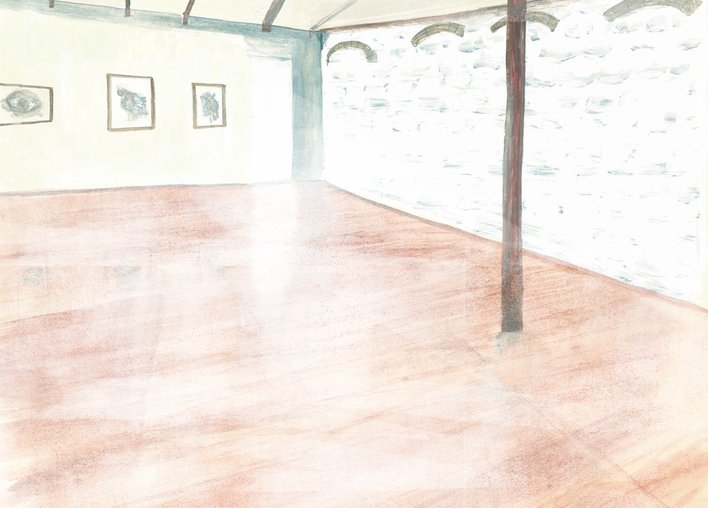
For the next 44 years, it was a home away from home for the art community. It was here that Khorshed Gandhy showed tribal art from all over the country. It was here that Nalini Malani painted on the walls as part of her show. It was here that many young artists had their first shows.
Anyone could drop in for a cup of tea and a chat with Kekoo. Khorshed was the quiet one, the hard worker. She kept the accounts. She wrote to the artists and told them what viewers felt.
Kekoo gave the gallery wings; Khorshed gave it roots.
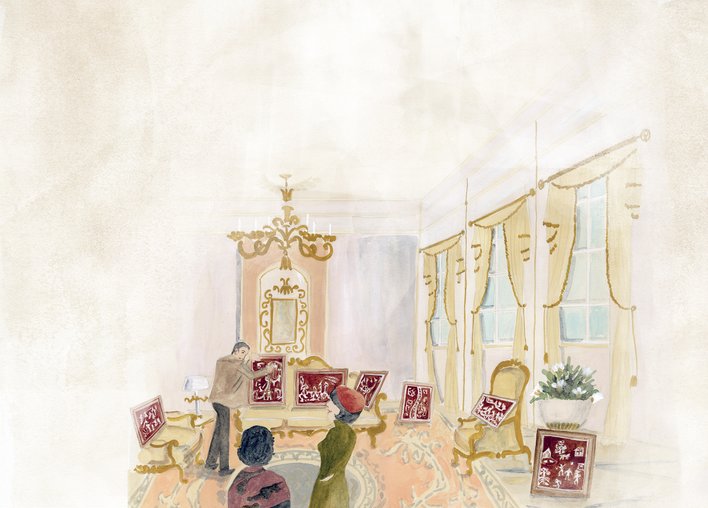
Kekoo heard that the Shahbanu of Iran was coming to Bombay. He wanted to take her to see some artists and art shows. When he was told that the Queen of Iran was too busy to go to the art, he decided that the art should go to the Queen. He asked the Governor of Maharashtra if he could bring some paintings into Raj Bhavan. So the Shahbanu saw some Indian art after all, and even bought a painting.
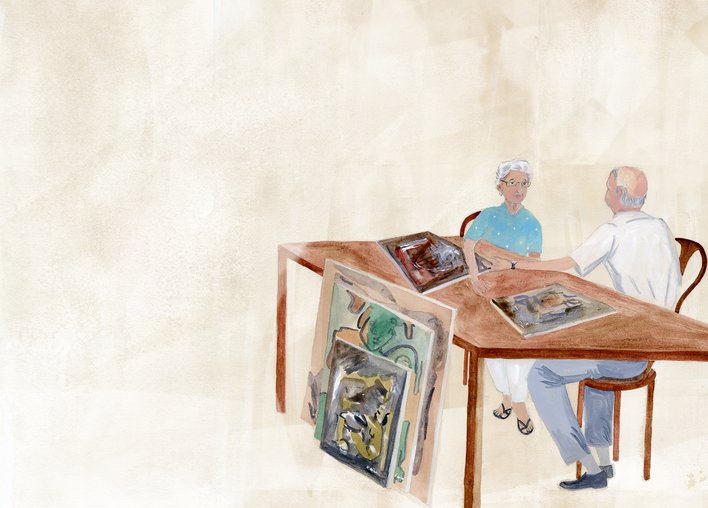
Kekoo: The poor man hasn’t sold anything. Khorshed: Kekoo, we can buy a painting if you want... Kekoo: I told him I would buy them all. Khorshed: Where’s the money to come from? Kekoo: Oh, we can sell one of the paintings we have. Khorshed: That way we’ll end up with no good paintings, only charity cases!
Kekoo and Khorshed opened branches of Gallery Chemould in Calcutta and Delhi too.
Kekoo was a kind man. Perhaps he was often too kind to be a good businessman.
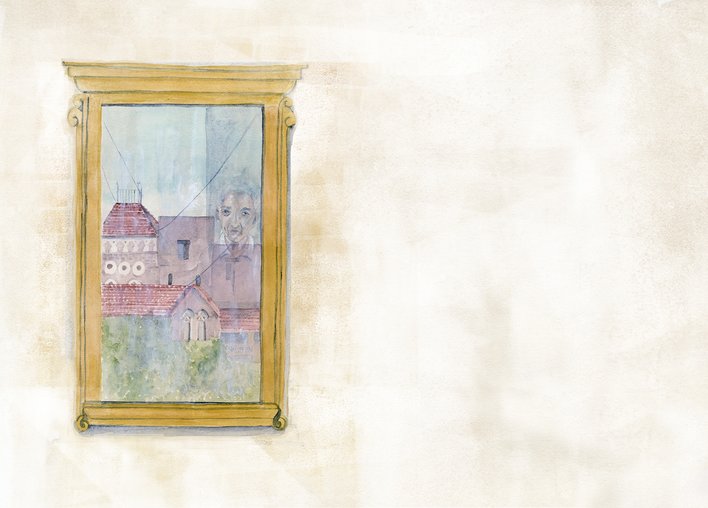
Kekoo’s heart broke when Bombay erupted into riots in 1992. He worked for peace, holding meetings, travelling across the city and helping people rebuild their lives.
His daughter Shireen Gandhy was now running the gallery. Art had changed once again. Now there was performance art and video art and installation art.
The gallery had moved to a new space. It was time to move on.
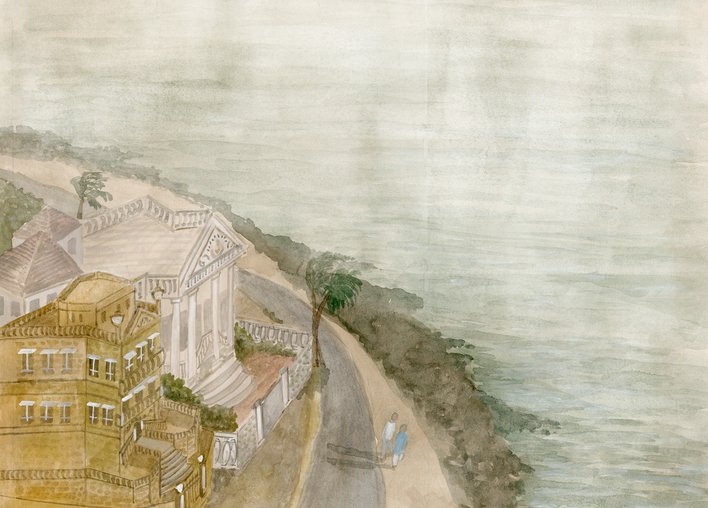
Khorshed and Kekoo grew old together in their house by the sea. From time to time, they could be seen walking on the Bandra promenade, to which they donated a piece of sculpture. Kekoo left us in 2012; Khorshed followed in 2013.
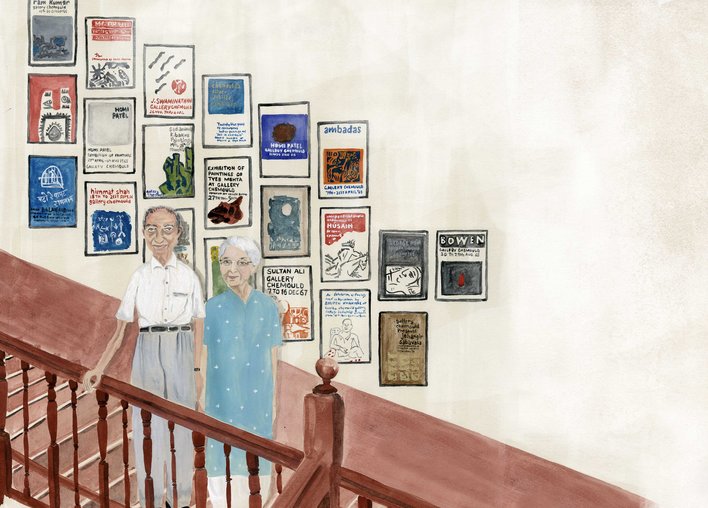
They started with frames. They filled those frames with paintings. They took those paintings into a gallery. They gave the artists a framework within which to work. And they lived to see modern Indian art make its mark all over the world.