Sorted!: Reduce, Reuse, Recycle
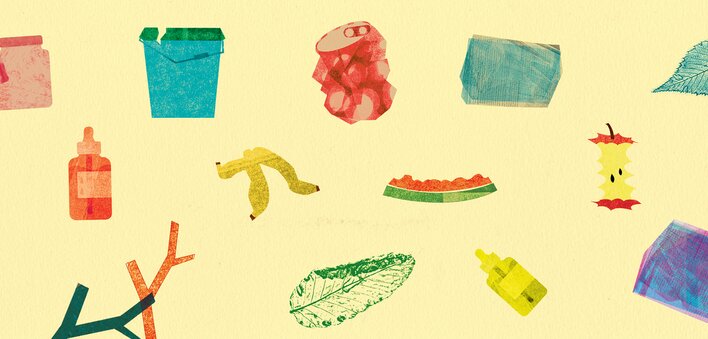

Let’s start sorting all this waste!

Here are 5 ways to manage waste:
Buy only what is necessary.
Why replace when you can repair?
Repurpose materials for multiple uses: metal containers for storage, old fabric for cloth bags, or inks and refills for pens.
Process materials back to their original form: plastic from plastic buckets can become plastic buckets again.
Turn food, garden or farm waste to compost. Convert wood, contaminated textiles, non-recyclable plastics, etc., into new energy by burning them in incinerators to replace fossil fuels as a source of energy.
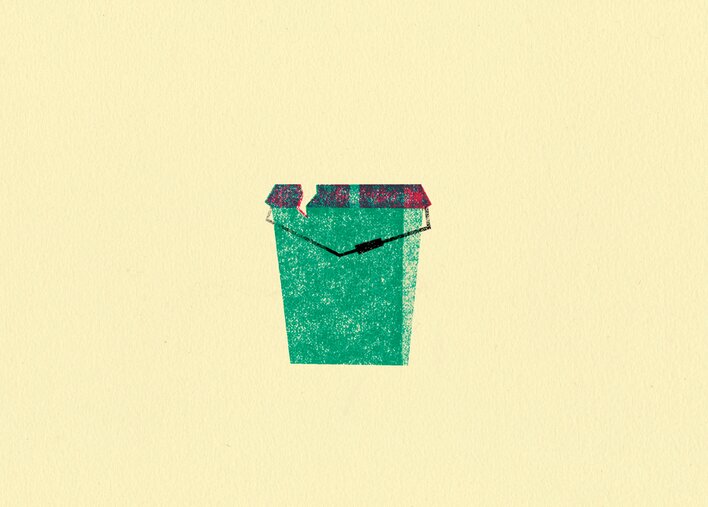
What is the best way to sort a broken plastic bucket?
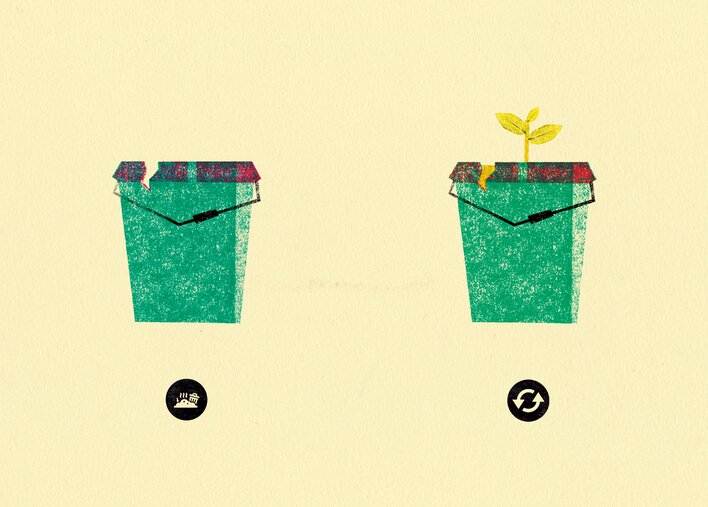
Throw it into the trash.
Reuse it as a planter,
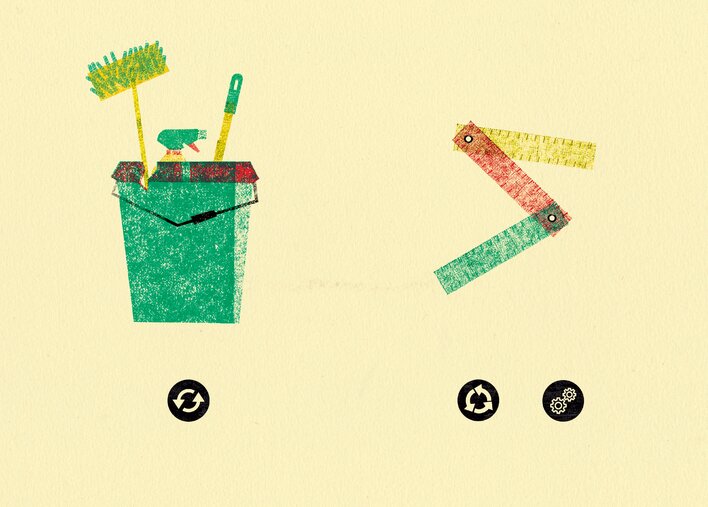
or a basket.
Send it to a factory where the bucket becomes a new plastic ruler.
What about a pile of old newspapers?
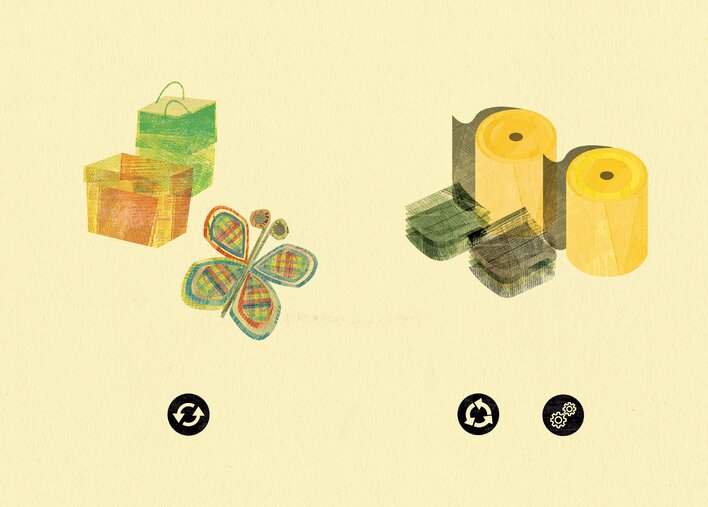
Reuse in craft class.
Or process into paper once again.
How about an empty metal can?
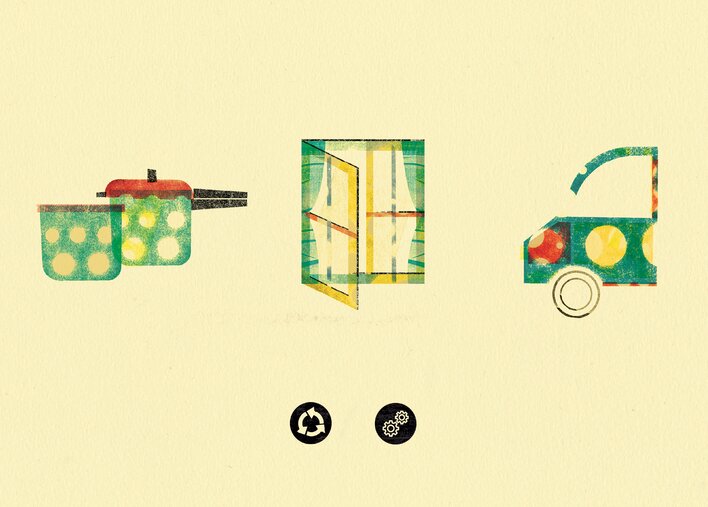
It can be recycled into many things, like—
utensils,
windows,
or car parts.
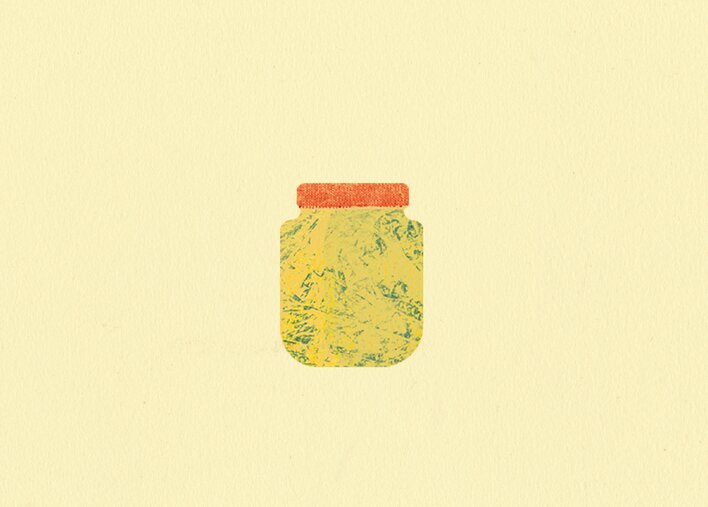
Here is a glass pickle jar.
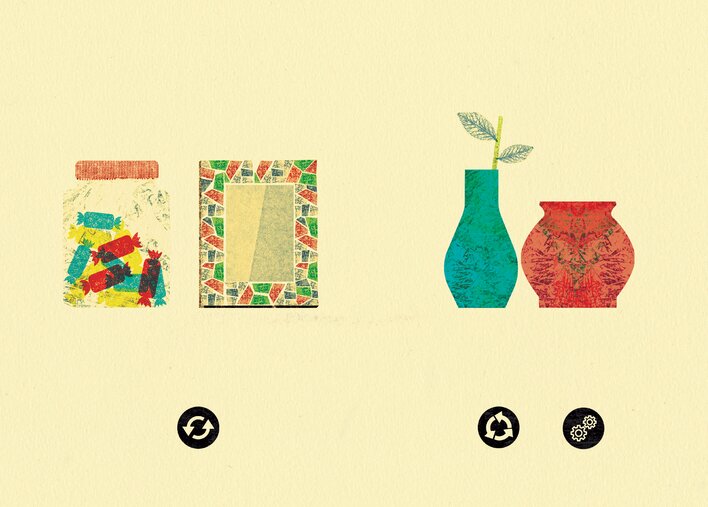
Reuse it as a container,
or in craft class,
or recycle it in a factory, where the glass can become a vase.
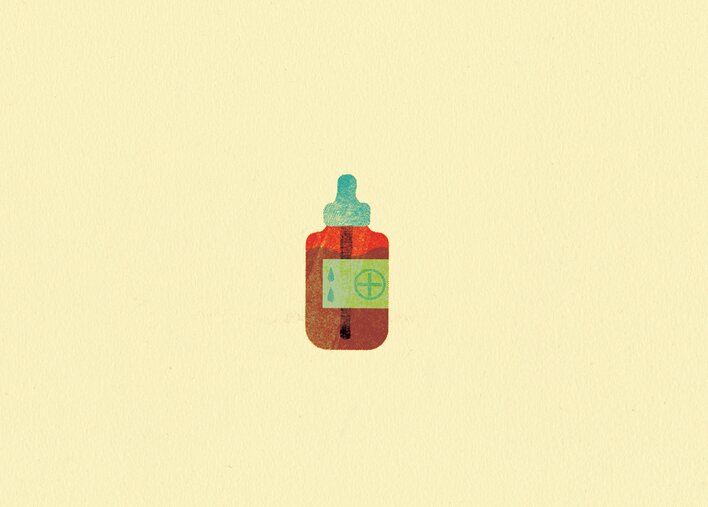
Here is an empty medicine bottle.
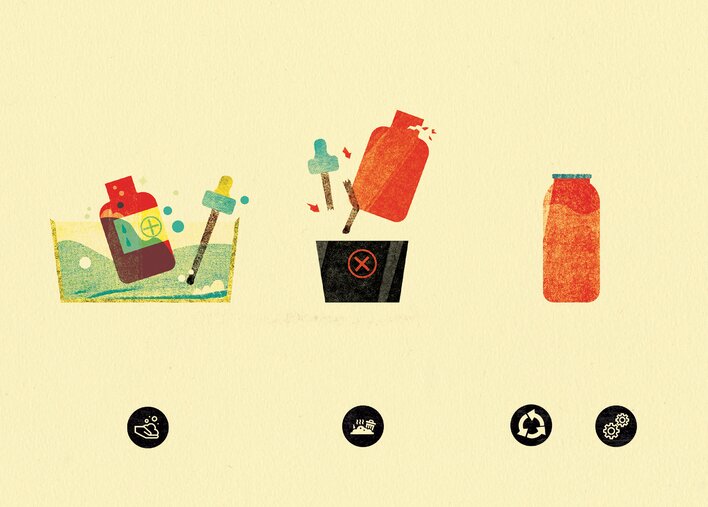
First, wash it!
It could be thrown out. But that could be hazardous!
Send it to a factory, where the glass can be turned into a new bottle.
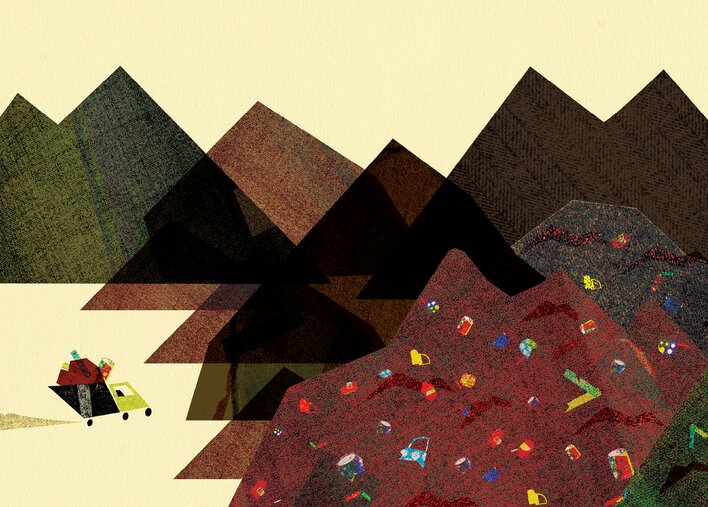
If not sorted and recycled, all these things go into a landfill!
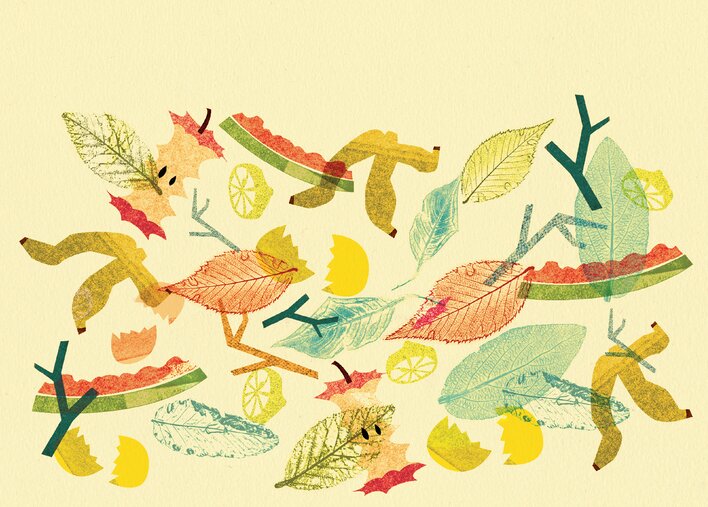
Wait! What about all this wet waste? Let’s compost it.
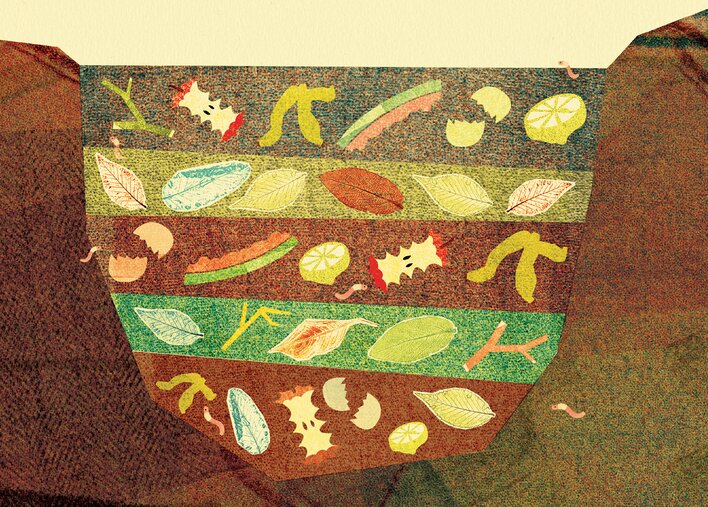
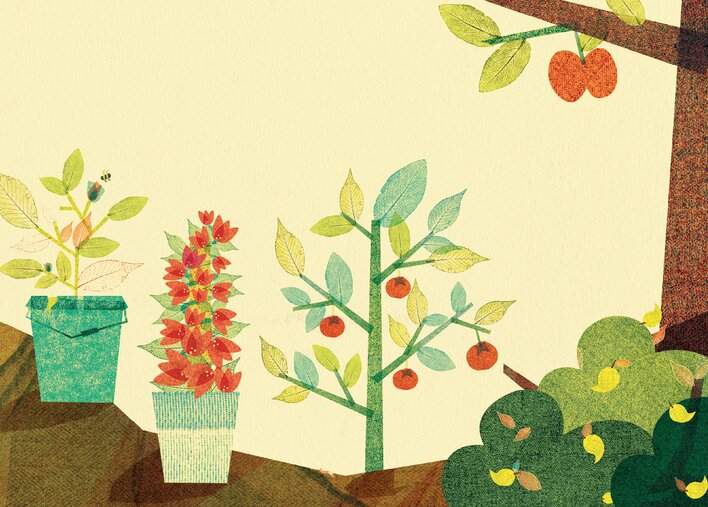
Back to soil.
ALL SORTED!
Waste is all around us. It is made of materials that were loaned to us, which we can use to make other things. We can grow food in soil enriched by compost made from kitchen waste. We can reduce how much new material we extract from the earth by sending materials to factories to recycle.
When not properly disposed of, waste can neither be used by factories nor put back into the earth. It sits there, making us unhealthy, becoming more and more difficult to reuse. It poisons the environment. But when treated as a resource, waste is not waste at all.
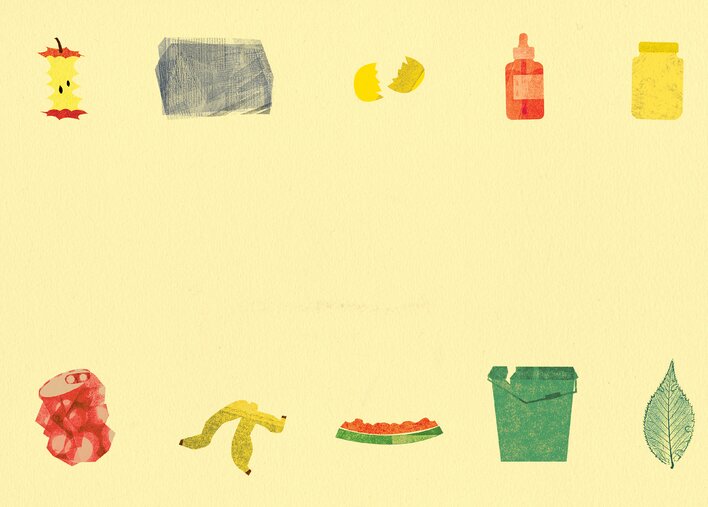
The illustrations in the book are made using organic waste, old denim and newspapers and even broken pieces of aluminum.