Our Beautiful World
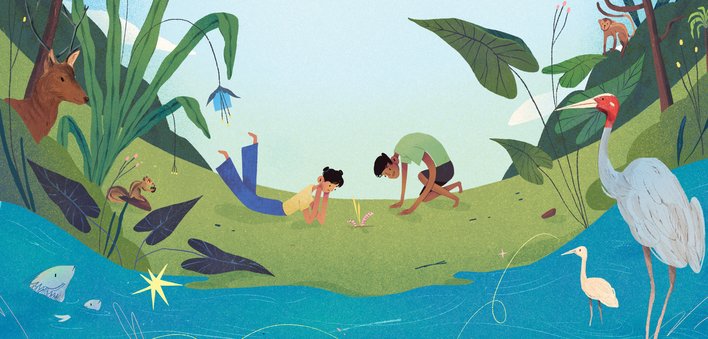
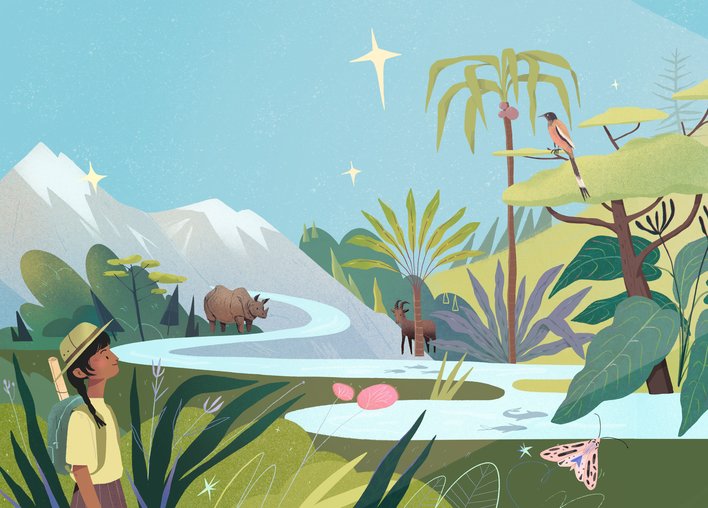
We live in a beautiful world.
A world filled with wonders.
A world of soaring mountains, of deep oceans. A world teeming with life and joy.
It is a world we call home.
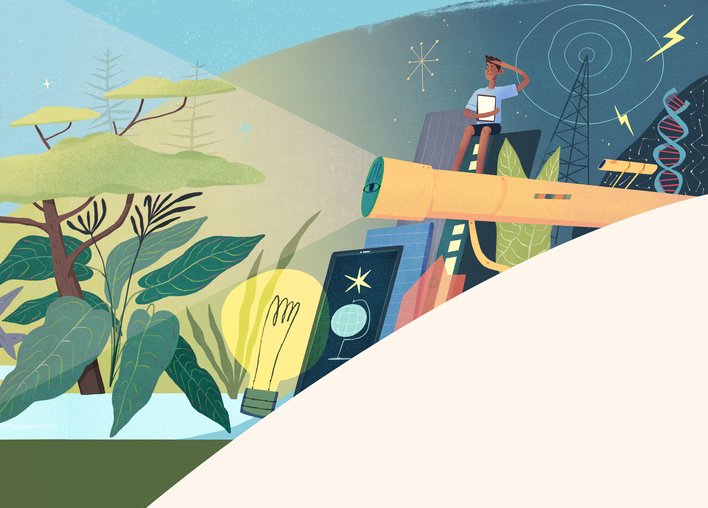
Here, we reign supreme.
We design new technological miracles, we shoot for the stars, we build amazing things.
We study the world, the universe.
We try to make our lives easier, and easier and easier with new gadgets, that aim to make everything better.
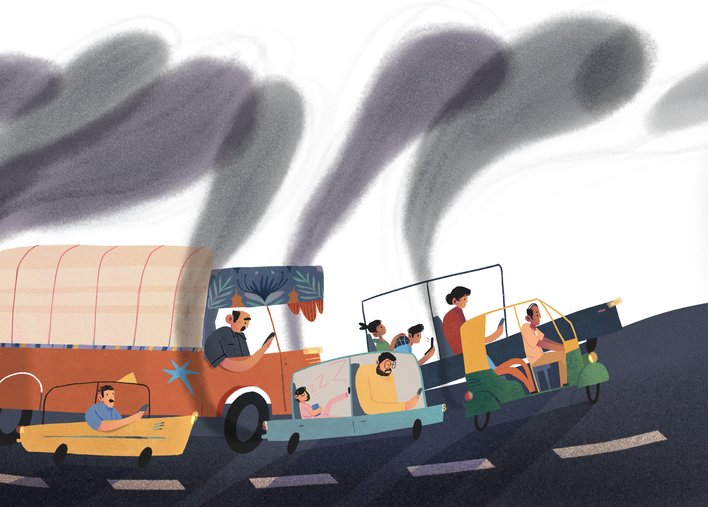
Easier, yes. But is it better?
Our home is paying a terrible price.
We’re changing the Earth, killing birds and animals with whom we share this planet, endangering our fellow humans.
The world is becoming a desert. Oceans are rising, glaciers are melting, crops are failing.
The heat is rising.
There is a monster that haunts Earth. It is called…
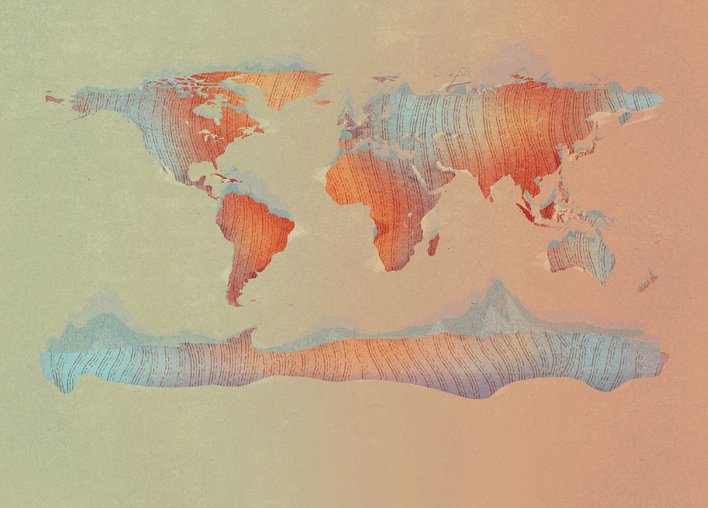
climate change.
Humans are its creator. This is the story of how we made it.
It is a story of how we betrayed our home, Earth.
About 12,000 years ago, the Earth entered a new geological epoch called the Holocene.
It was paradise.
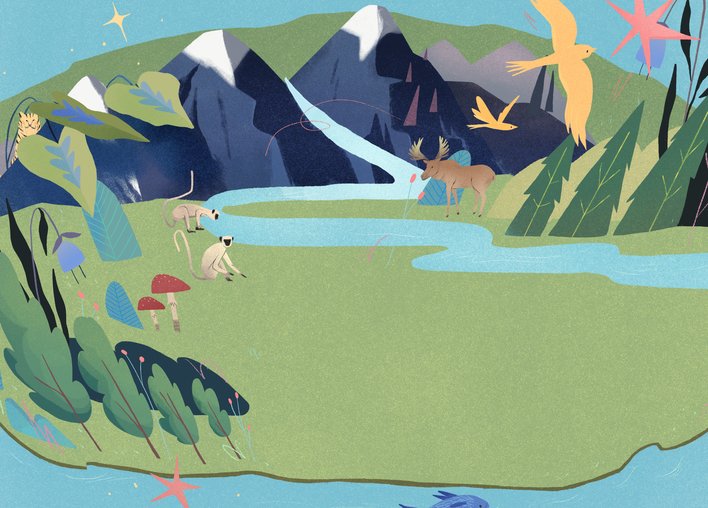
This is when the gigantic sheets of ice that covered much of the northern hemisphere and large parts of the southern hemisphere retreated towards the north and south poles, and the world entered a new era of plenty.
New forests grew, and life flourished.
The world’s climate became warmer and then stabilised. Ever since then, for about 11,000 years, the Earth’s climate has been stable and calm.
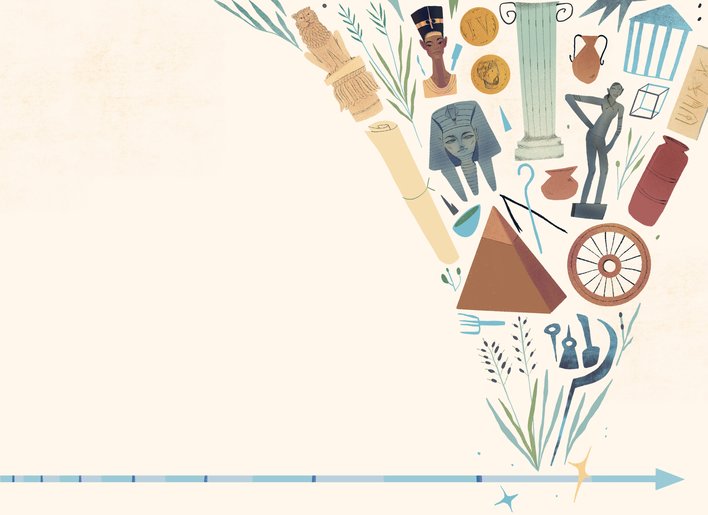
Humans have been around for about 2,00,000 years. But before the Holocene, we never had it this good. In the past 11,000 years, we have thrived.
We discovered agriculture, we settled down in villages and towns, we created art, built grand civilizations.
The pyramids of Giza, the cities of the Indus Valley Civilization, the Mauryan Empire and the Roman Empire - all happened during the Holocene.
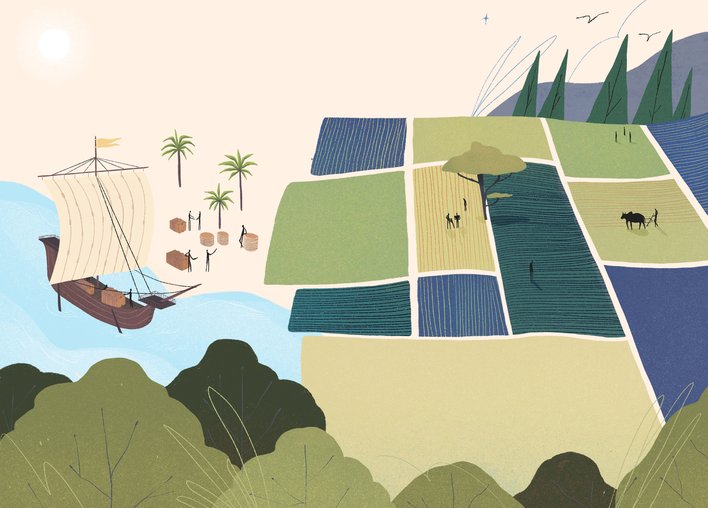
This was all possible because of widespread agriculture and trade. We grew crops, we made things, we exchanged them with each other. We grew prosperous.
Our ancestors started clearing forests to grow more crops and, slowly, their footprint expanded. Even then, much of Europe, North America and South Asia were covered in thick forests.
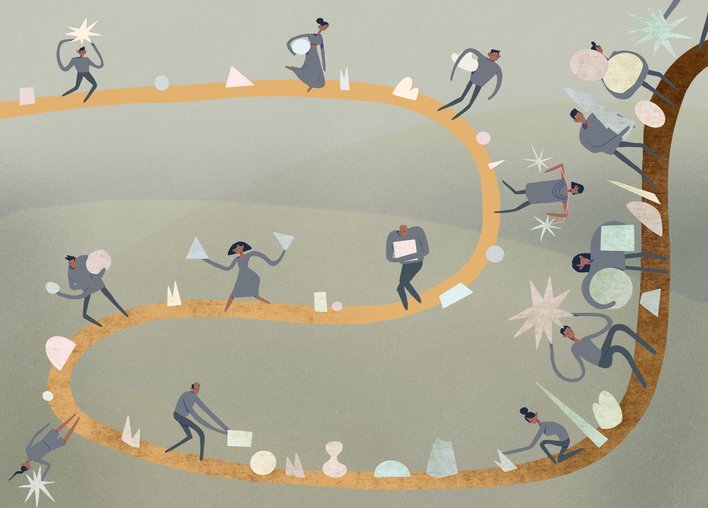
It all happened very slowly, over thousands of years. The effect of human beings on the environment was still very small. The Earth still had enough resources to replenish what was depleted.
But as the centuries went by, we started using up the Earth’s resources faster and faster.
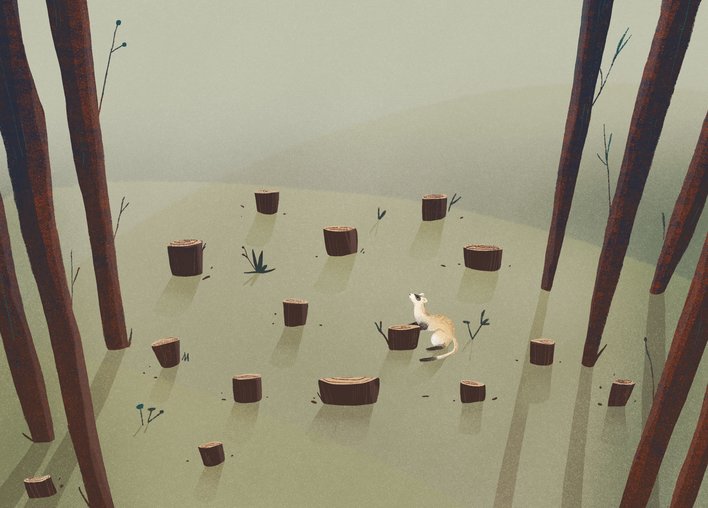
By around 500 years ago, Europe’s ancient forests were mostly gone, and even in other parts of the world, forests were in retreat.
Humans have always used the Earth’s resources, be it trees, minerals like iron, or animals for domestication and food.
We have always wanted the planet to give us more.
Then, about 250 years ago, something happened.
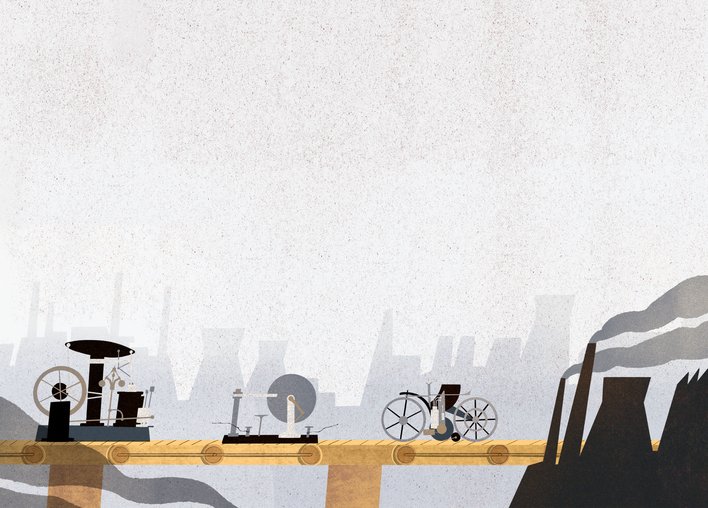
The Industrial Age, the age of machines, began.
Until then, we had mostly used handheld tools for work. As a result, there was only so much damage we could do. But with machines, we could do anything.
For the first time, we started using machines, like the power loom and the steam engine, to mass produce goods for trade.
We burned fossil fuels like coal and oil to power machines to do our work for us.
Every aspect of our lives today comes from the Industrial Revolution. Cars, planes, mobile phones, space flight, computers, it all began 250 years ago.
But while this lit the fire of human progress, it also unleashed its dark shadow: climate change.
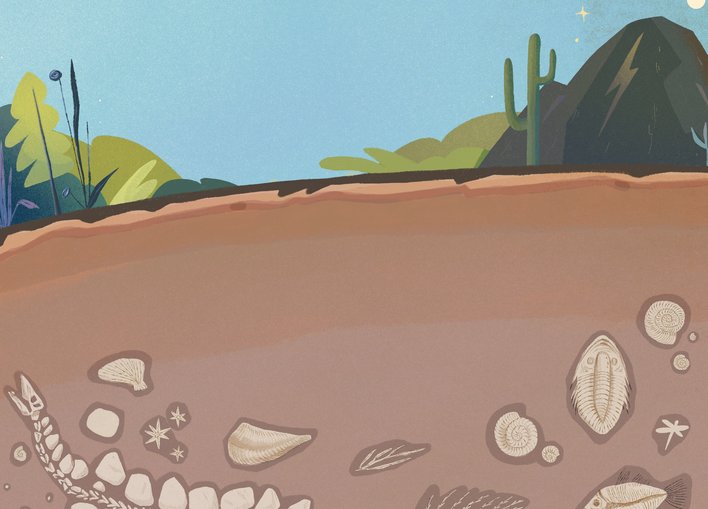
The Earth is very old. Over four billion years old. Life on Earth began more than three billion years ago. How do we know? Because that is when the oldest fossils are from.
What are fossils? The planet has been home to a dizzying variety of plants and animals. All trees and creatures, including humans, are primarily made of carbon. As they die, and as continents shift, their remains go back into the earth, where they lie. Over thousands of years they return to forms of carbon: coal, gas, oil. This is how the Earth’s fossil deposits are created.
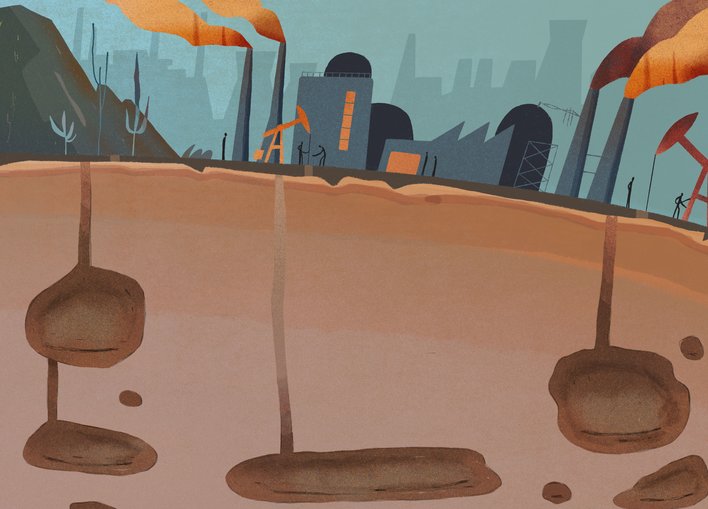
When we started digging up the coal and oil to burn them and power our machines, we gave rise to fossil fuels.
That has been the basis of our modern prosperity. For nearly everything we do, we burn coal and oil. We dig into the bowels of the earth, we mine the coal, we extract the petroleum, we burn it. We live our lives.
But we have dug so much and burnt so much, that we have upset the balance of the Holocene.
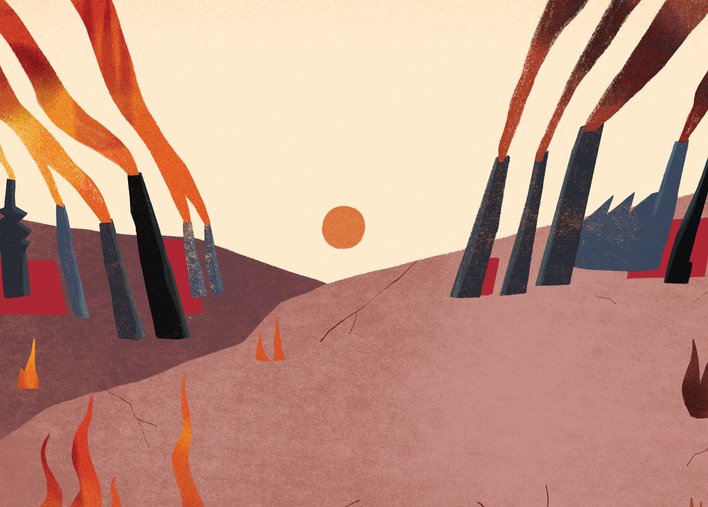
The more coal and oil we burn, the more carbon dioxide we release. This gets stored in the atmosphere.
The carbon dioxide traps the sun’s heat. And the world grows hotter.
The world is becoming an oven, and the heat is changing the climate. The Earth is slowly becoming unlivable.
It is now 1.2 degrees celsius hotter than two hundred years ago.
If we continue like this, by 2050, the world will be 2.4 degrees celsius hotter.
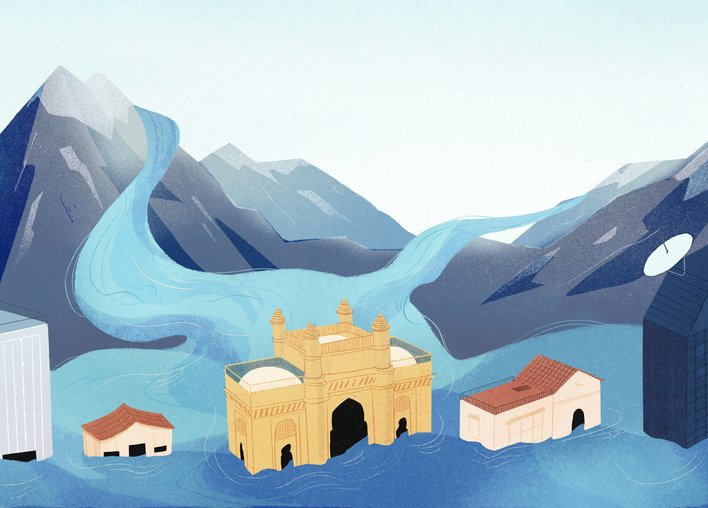
If that happens then the sea level will rise. Cities like Mumbai and Kolkata might be deserted.
Himalayan glaciers will start vanishing, rivers like the Ganga and Brahmaputra will be flooding all the time. And when the glaciers vanish, the rivers will dry up.
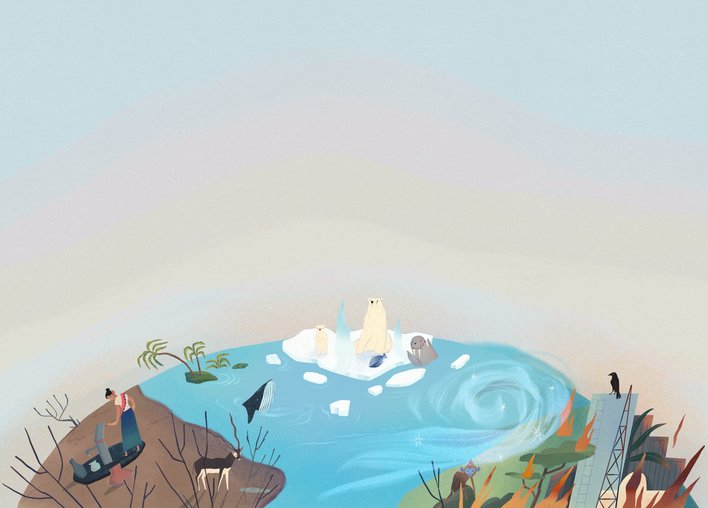
Heatwaves will make it impossible to go out during the day. Even indoors, people will suffer.
Supercyclones will rise out of the sea and hit India every year. Drinking water will be harder and harder to get. The Arctic Circle and Greenland will lose all their ice. Forests will burn every year. From the deepest jungles to the highest mountains, animals will starve. Epidemics and pandemics like COVID-19 might become more common.
It is a scary future for the whole world.
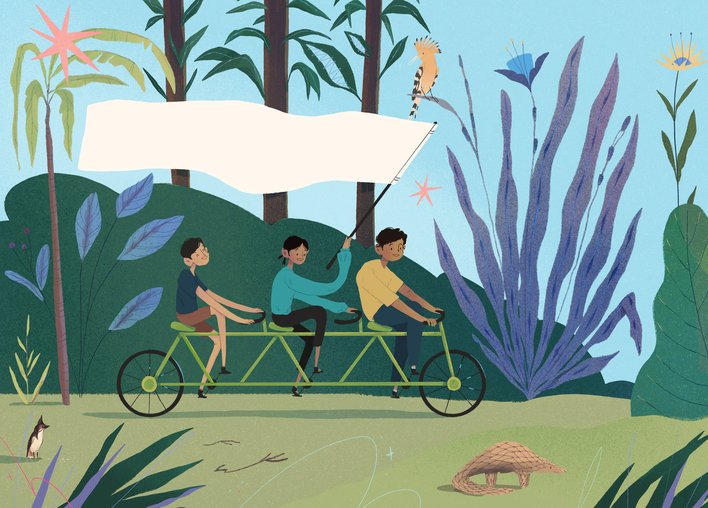
Yet, there is hope.
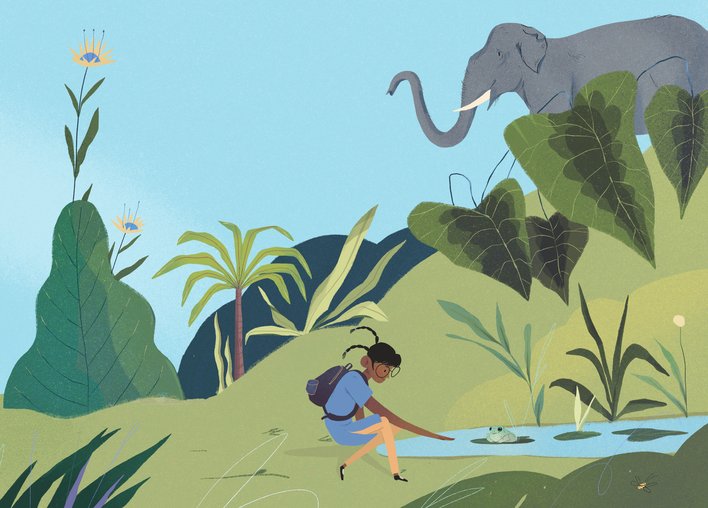
We don’t need to keep burning coal and oil. In fact, the whole world can stop burning fossil fuels by 2050.
No fossil fuels.
No extra carbon dioxide in the atmosphere.
No more heat.
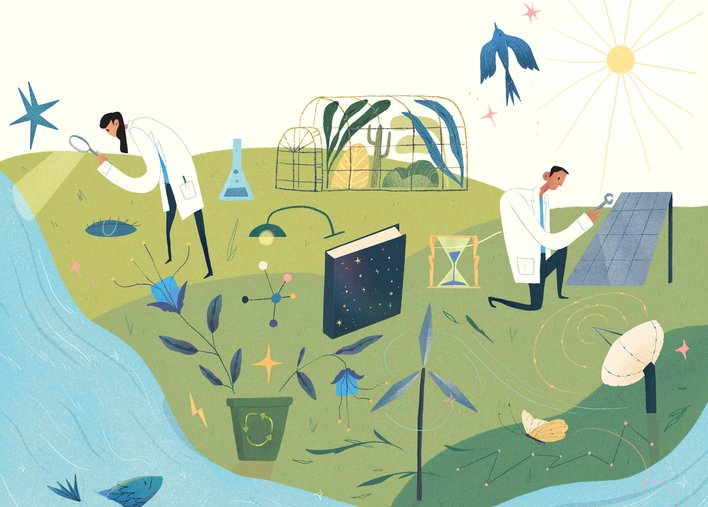
Humans are smart, and we have already built technologies which can draw energy from the sun, wind and water.
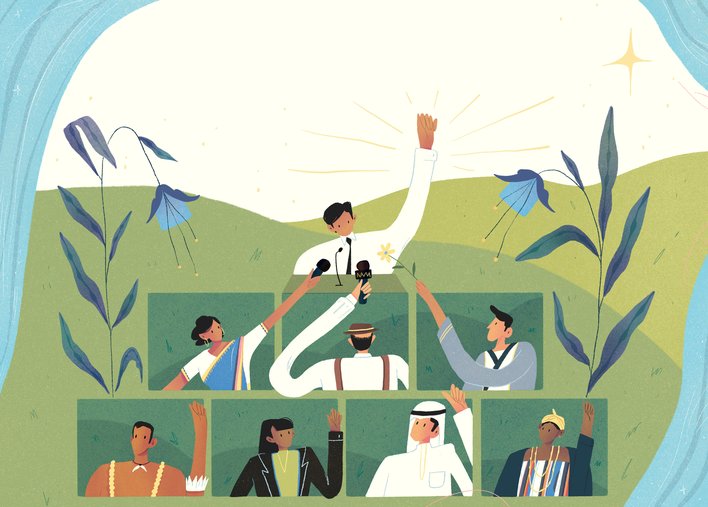
If every country around the world says NO to fossil fuels, we can defeat the climate change monster.
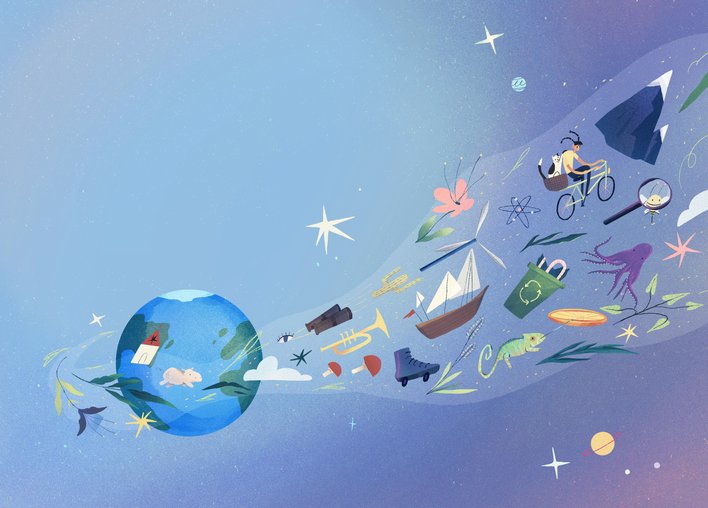
We live in a beautiful world.
We can preserve this beautiful Earth, filled with wonders.
A world of soaring mountains, of deep oceans. A world teeming with life and joy.
It is a world we call home.