Ira Investigates the Invisible
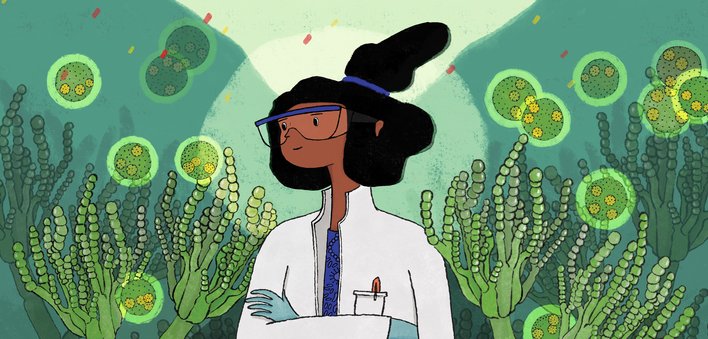
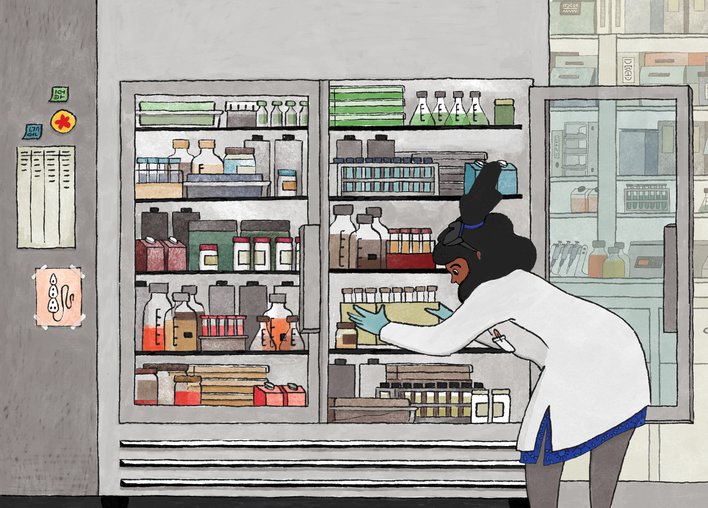
Where did I put that petri dish?
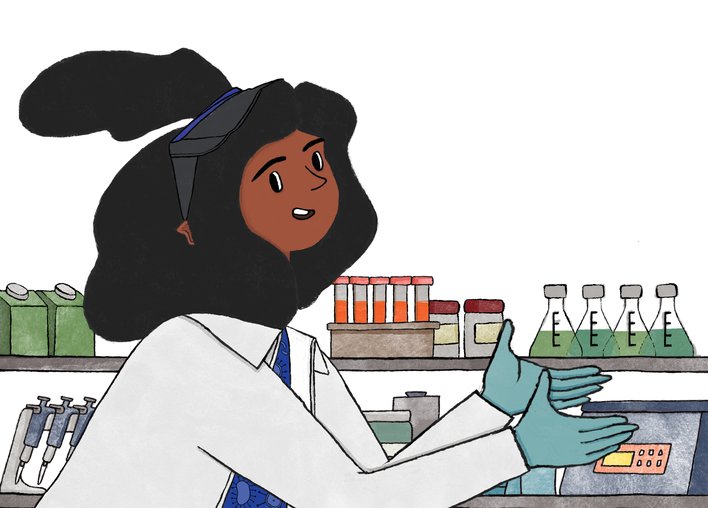
Oh, hello! Have you seen a small glass dish with a lid? It’s for an important experiment I’m doing. I’ve put about a billion cells inside it.
I know what you’re thinking: How can you fit one billion of anything inside a small dish?
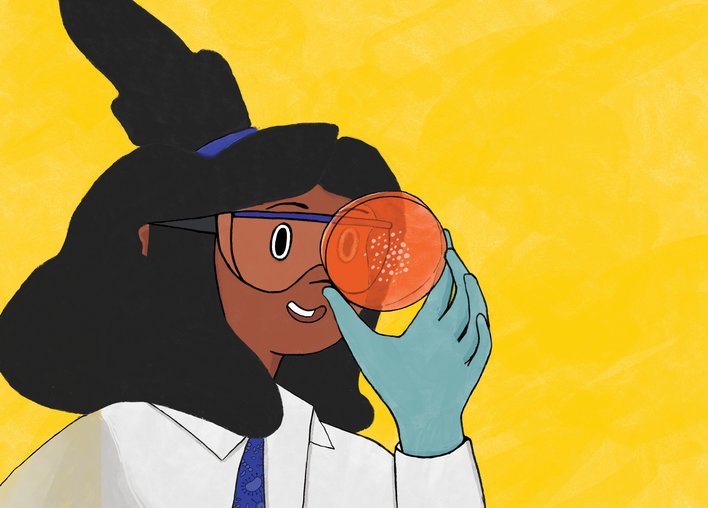
My name is Dr. Ira and I’m a microbiologist.
I’m not the kind of doctor you see when you have a fever or an earache. I’m a doctor that studies invisible things. I know that sounds ridiculous but let me explain.
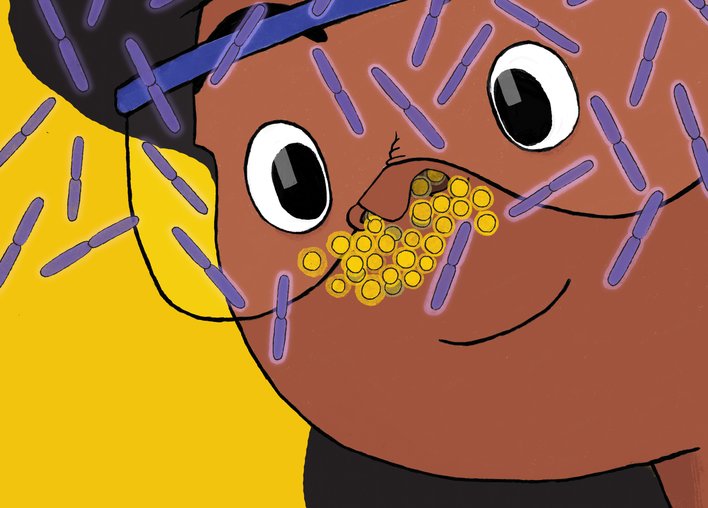
What if I told you that all around us in the air, soil, water, and even inside us—in our stomachs, noses and ears— are thousands, no, millions, no... TRILLIONS of tiny living creatures called microbes? Ewww! YUCK! Cheee?
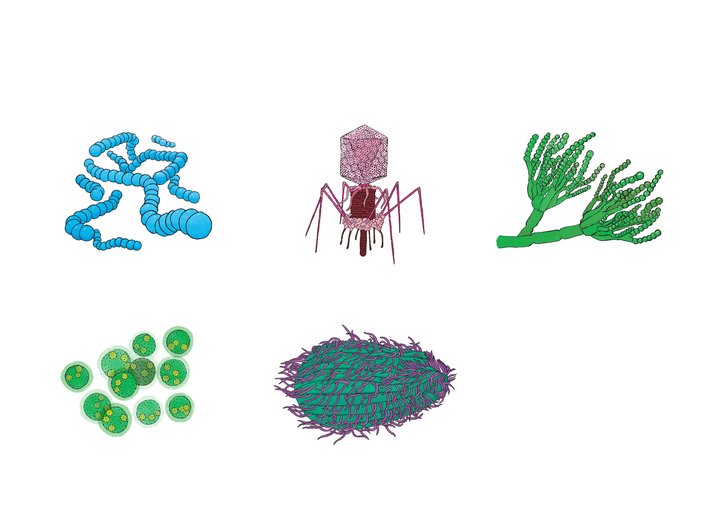
There are around one trillion kinds of microbes on our planet. While each of these microbes looks different and lives in a different habitat, most microbes can broadly be divided into
As a microbiologist, I spend my time studying bacteria. Would you like to see where I work?
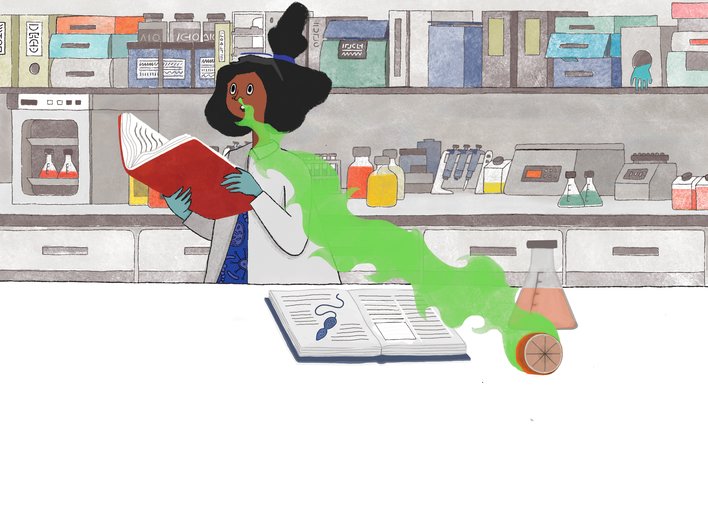
Welcome to my lab!
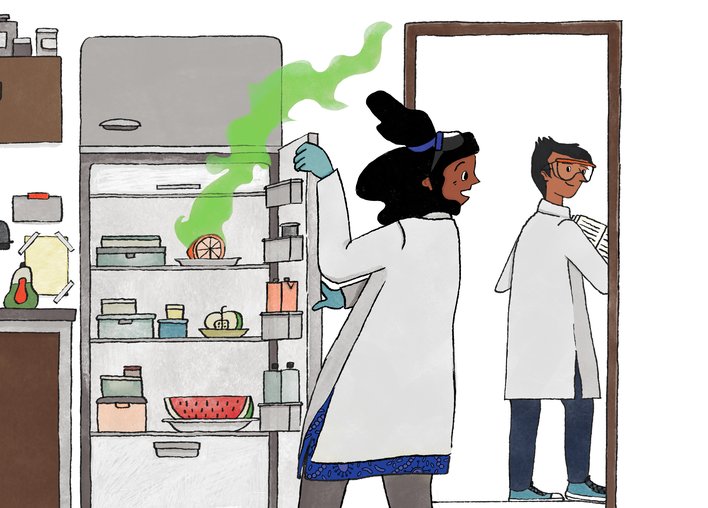
Yuck! What’s that smell?
Ugh! This orange has been sitting on my friend Tashi’s desk for a week now. See how it’s covered in green fuzz? That’s fungus. Shall we take a closer look? Let’s use a microscope. It helps us see things that our eyes aren’t powerful enough to see on their own.
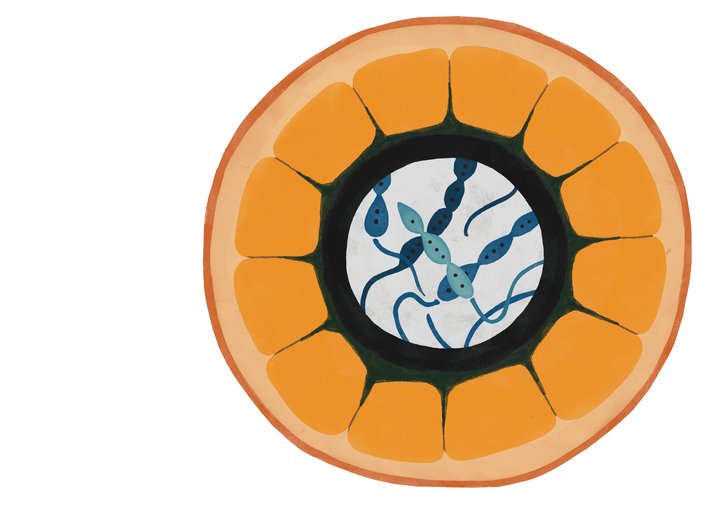
I know they look scary but some microbes can be very helpful.
For instance, this fungus tells us that the orange is spoiled and that we shouldn’t eat it.
Did you know that there are microbes that can eat plastic? They could help solve plastic pollution!
Not all microbes are friendly though.
Some types of the bacteria E.coli can cause tummy aches. But if we get to know them better and understand why they make us sick, we can try to prevent illnesses. That’s why I study how E.coli cells react to changes in their environment. I use some very cool tools to do this.
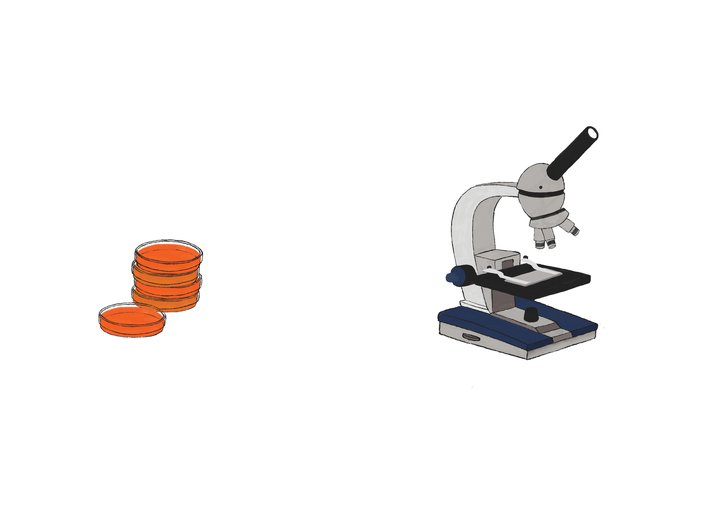
Microscope: an instrument which makes really small objects look bigger by magnifying them.
Petri Dish: a circular, transparent dish with a flat lid used to maintain microbes in certain conditions.
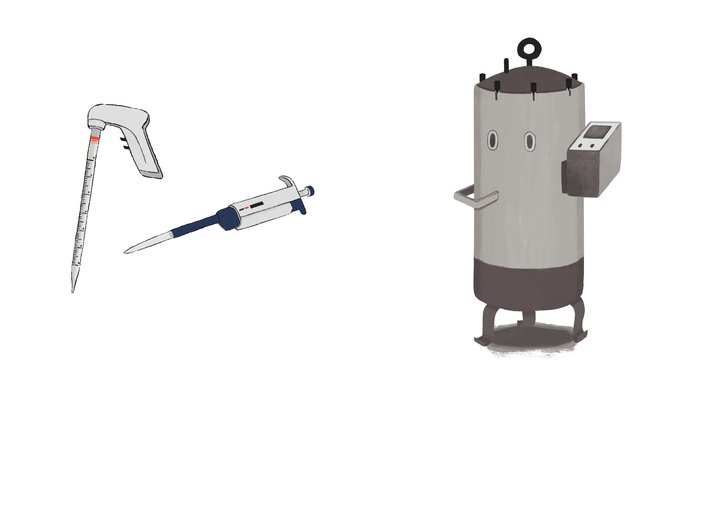
Pipette: a slender tube with a bulb at one end used for transferring or measuring small quantities of liquid.
Autoclave: a strong heated container that uses high pressure and temperature for chemical reactions and other processes.
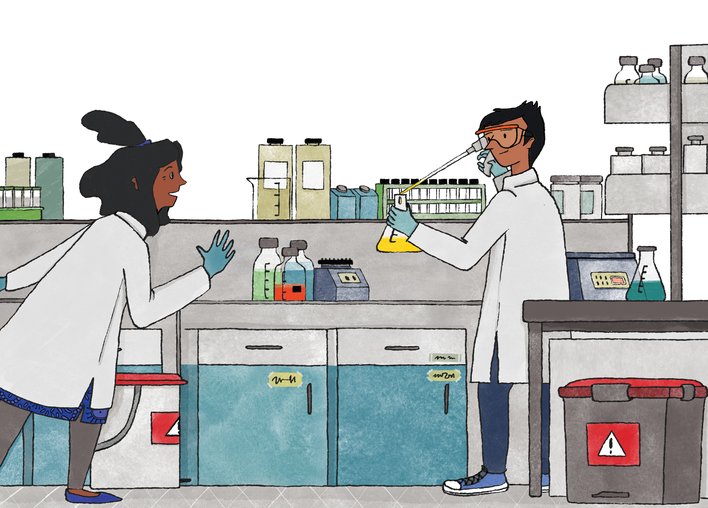
Let’s ask Tashi if he’s seen my petri dish. And tell him to throw away that orange!
Hi Tashi!
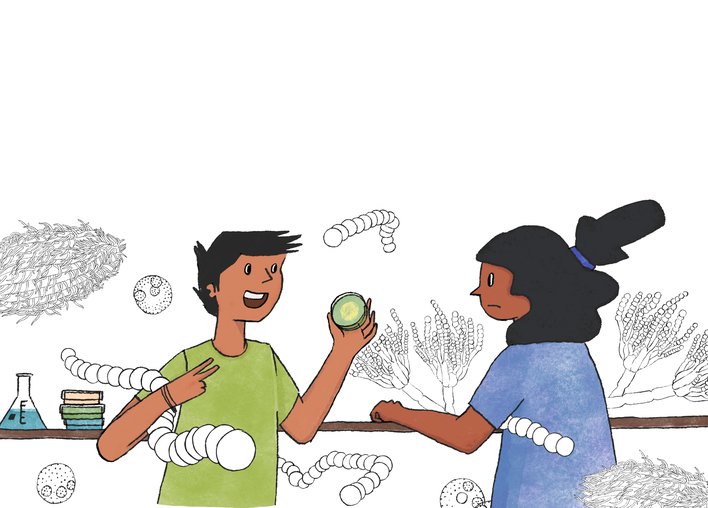
Tashi was my first friend at university. When I first came here to study, I felt lost. I didn’t speak much English and all my classes were hard. Plus, everyone else seemed so smart and I just couldn’t keep up.
I wanted to give up so many times and just go home, but how could I?
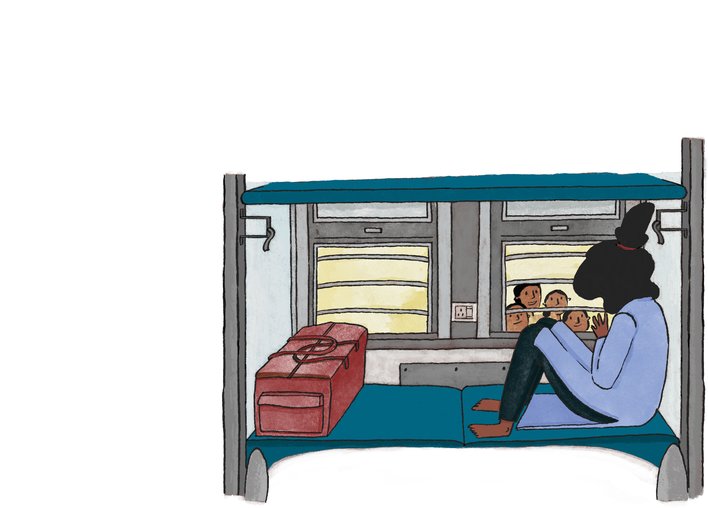
I'm the first woman in my family to go to college and they supported me every step of the way. I didn’t want to let them or myself down. Besides, I loved exploring this invisible world around me. So I kept trying.
Learning to not give up is important, especially when you’re a microbiologist.
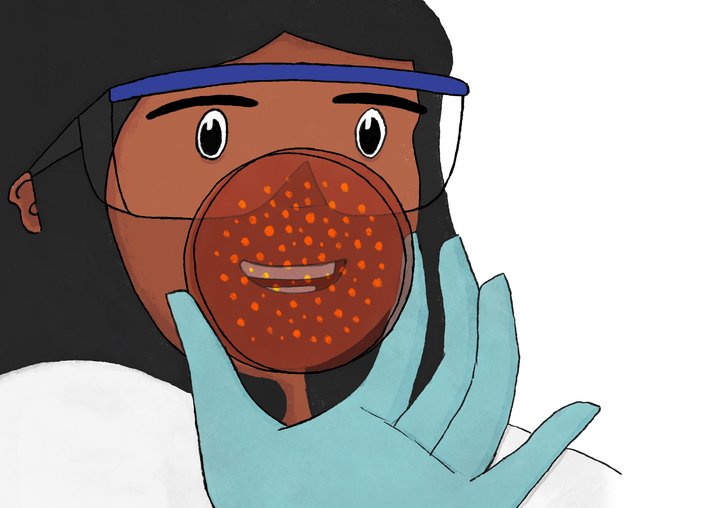
Because a lot of the experiments I do fail. What keeps me going is when things work. It’s so exciting when you’ve learned something that no one else knows yet!
But even when things don’t work out, it’s alright. It helps me ask the next question.
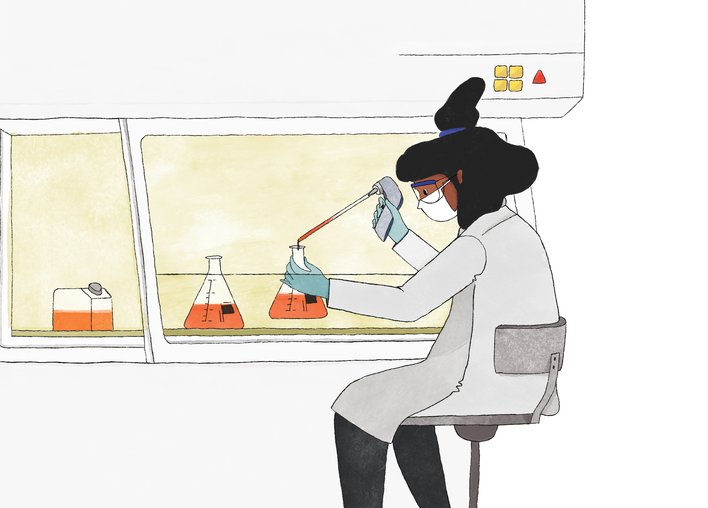
Like, ‘Where is my petri dish?’ Tashi hasn’t seen it either. I need to do the experiment again. Will you keep me company?
I’m going to take some E.coli, grow it in a conical flask and see what happens when I don’t give it enough to eat. I’ll take another E.coli sample in a second flask and give it food.
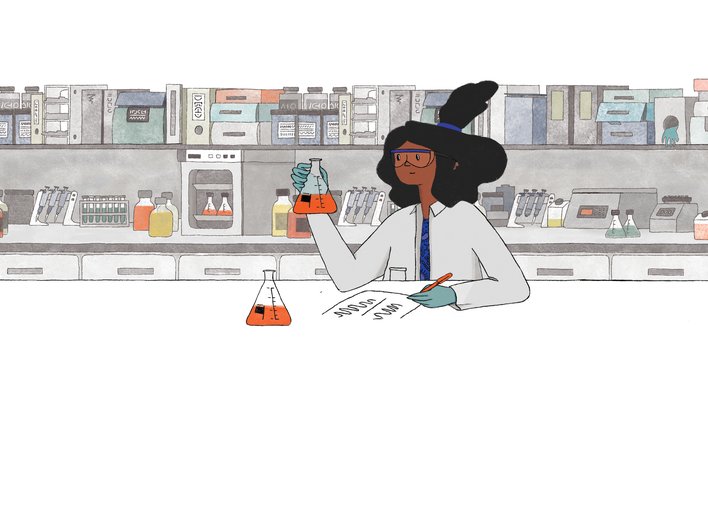
Then I’ll wait and see what happens to the number of E.coli in both these flasks. This is called making an observation.
After the experiment is completed, I’ll compare the E.coli growth in both the flasks and write down my observations. These are the results of my experiment. It will help me answer the question: Does the amount of food affect the growth of E.coli? What I learn from the results is called an inference. A typical E.coli growth experiment takes 10 to 12 hours to complete.
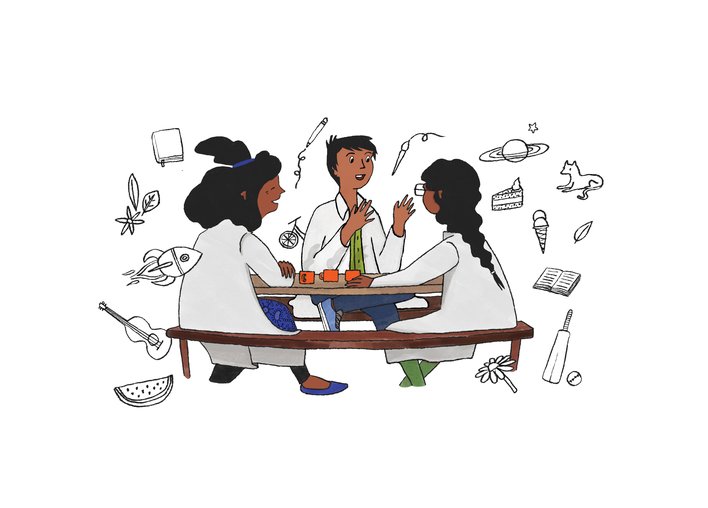
Since I don’t need to sit here and watch the cells the entire time, I read about new discoveries, attend meetings and talk to other scientists about their work. This is important because I learn exciting new things from them and often get ideas for my own work.
Sometimes, we also just sit around, have tea and chat!

Scientists may seem very serious, but really, we’re just like you and your friends.
We like to play hockey, sing in the shower and read scary stories!
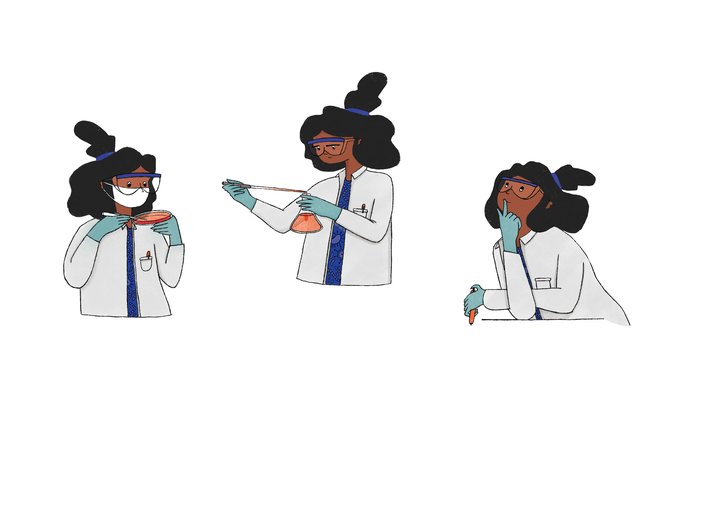
We are also curious about the world around us. We like to ask questions constantly:
We’re like detectives who look for clues that help answer all these fascinating questions. Even if they’re inside your stomach. Speaking of which, I’m hungry. Let’s eat!
Why? Why not?
How?
What if?
Tashi!
Grow your own mould!
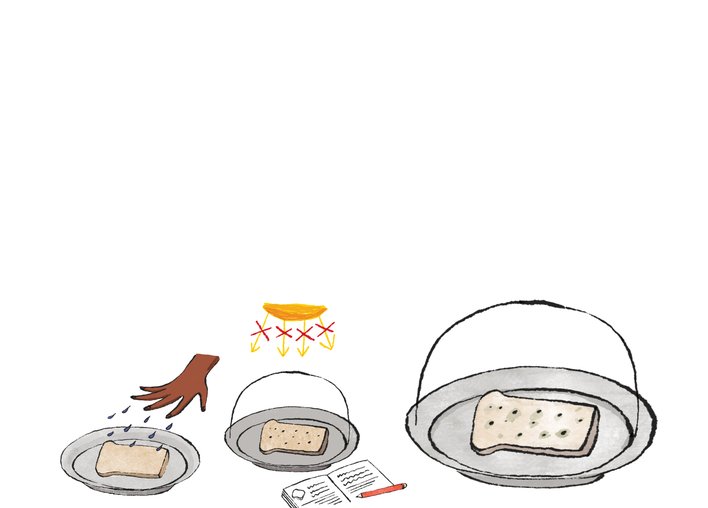
The fungus that grows on old food is called mould. To grow your own mould, take a piece of leftover roti or a slice of stale bread, sprinkle it with water, place it on a plate and cover it with a clear glass bowl.
Keep at room temperature and out of direct sunlight for two days. Check the food and see if white, blue, green or gray fuzz has appeared on it. Leave it alone for 2 more days and then check on it. How does the mould look now? Make a note. Repeat this every 2 days until day 10.
What do you think will happen?
The water and room temperature create the perfect conditions for growing mould! The mould will look different on different items of food. That is because different kinds of mould spores like some foods better than others. At the end of 10 days, carefully dispose of the mouldy food with the help of your teacher. Maybe you could add it to a compost pit!