Grace: One engineer's fight to make science education accessible for all
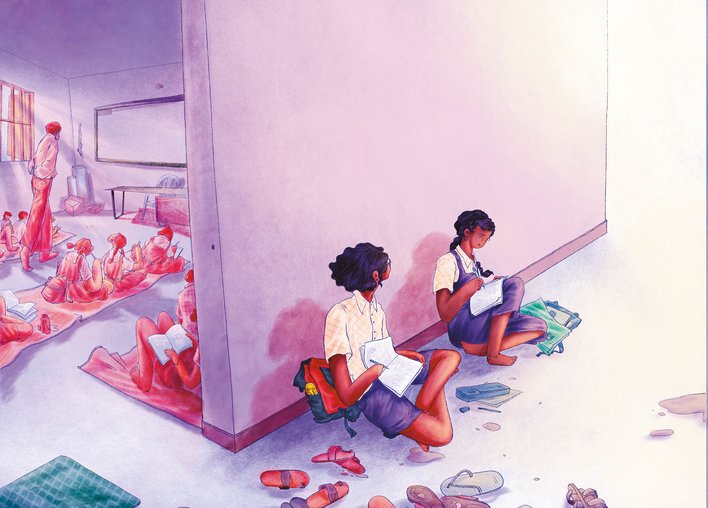
Why did Nagajyoti and she have to sit outside the classroom where everybody left their slippers? Why did her classmates who sat inside not speak or play with them? Why did these upper-caste students inside the classroom live in a certain locality of the village?
Sembattai wondered,
Are they different from us? she asked herself.
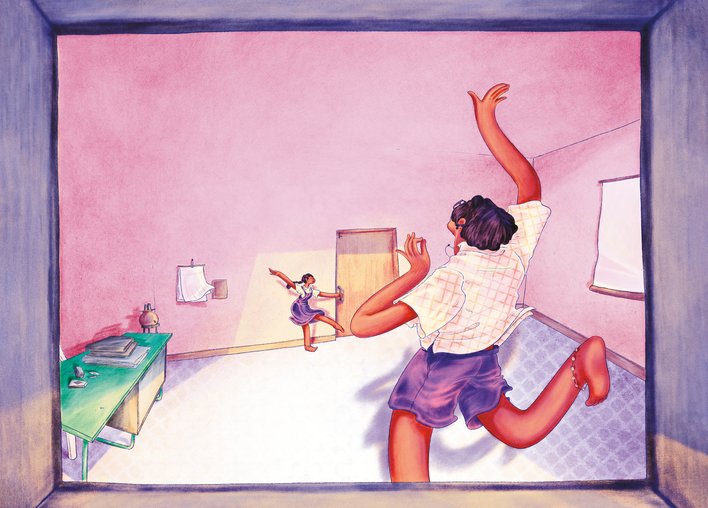
The first time Sembattai saw the inside of her classroom, it was to try on Nagajyoti’s anklet. She heard its distinct sound and asked, “All the other girls get to wear anklets, but I don’t. Why?”
“You can!” Nagajyoti said. “But let’s wait for the other students to leave the school. Then we’ll go to the classroom and you can try it out!”
Sembattai danced and twirled and sang.
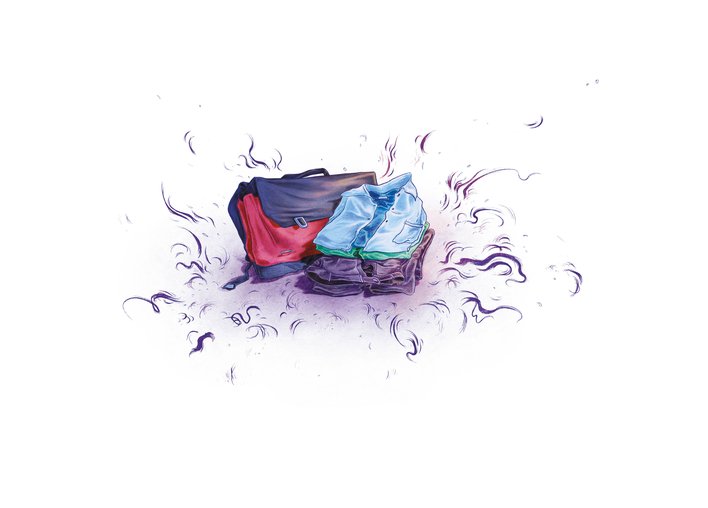
When her family moved to Thoothukudi, Sembattai’s father put her in an all-boys school. Everyone thought she was a boy, but she knew she was not.
She wondered,
Why did she have to wear pants instead of a dress? Why did she have to crop her beautiful brown hair short just because all her classmates did?
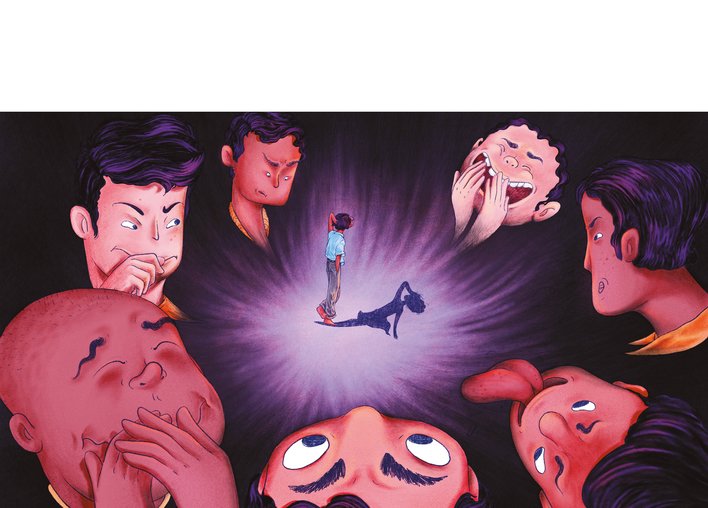
The boys asked her strange questions.
“Why do you walk like a girl?”
“Why do you talk like a girl?”
“Why do you only play hopscotch?”
Because I am a girl, Sembattai thought.
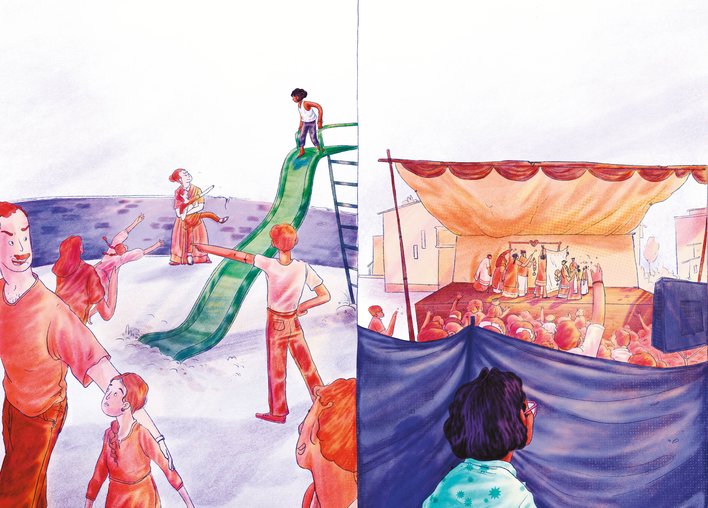
Why does nobody understand me?
Why must I be like everyone else?
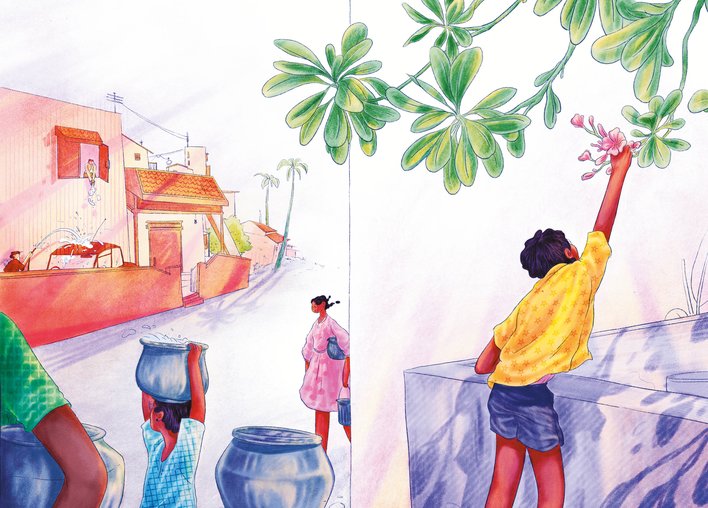
She thought and thought and thought.
ENOUGH.
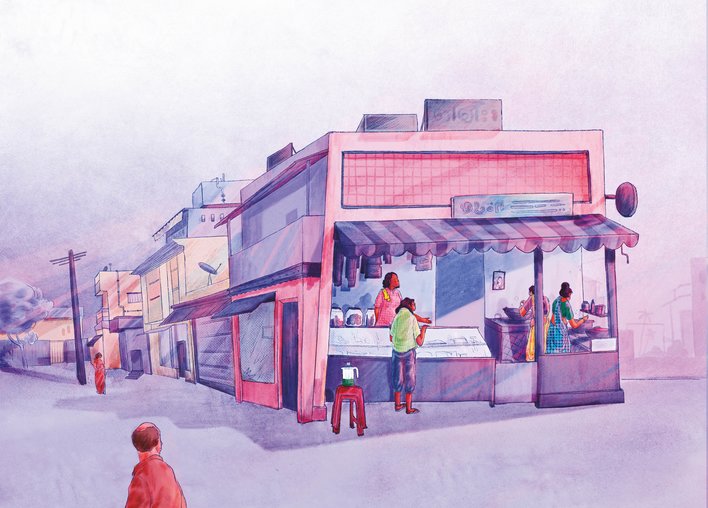
If her parents, her school and her classmates could not accept her for who she was, she would find people who would. One day, as the sun began to rise, 16-year-old Sembattai left her home.
She walked and walked and walked, until she reached Tirunelveli.
There she saw a group of women in a shop. They were making halwa. The smell of hot ghee made the rats in Sembattai’s stomach run faster.
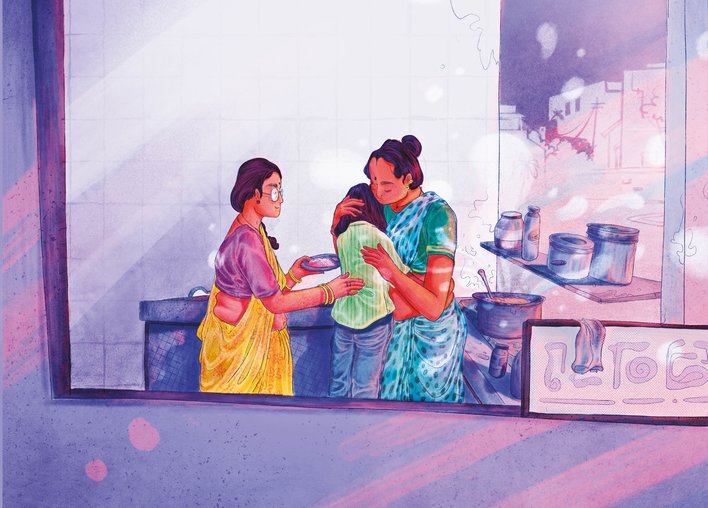
Munna Nayak asked her, “Why do you look worried?”
“Amma, I have left home,” she said. Munnamma gave Sembattai a big hug.
“Aiyo! Where will you roam around all this while?” she said. “Why don’t you come live with us, Grace? We are Thirunangai — transgender women.”
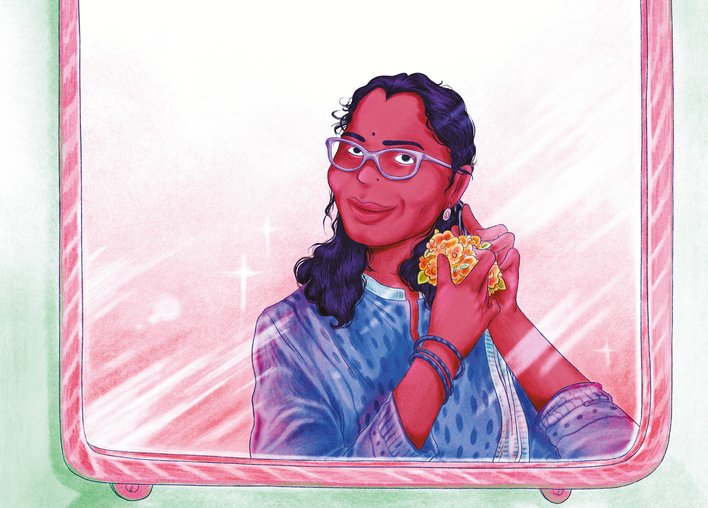
Just like that, Grace knew who she was. With Munnamma, she could wear sarees, anklets, bindis, anything she wanted — she could live her life as herself.
When Grace went to sleep at night, she felt loved.
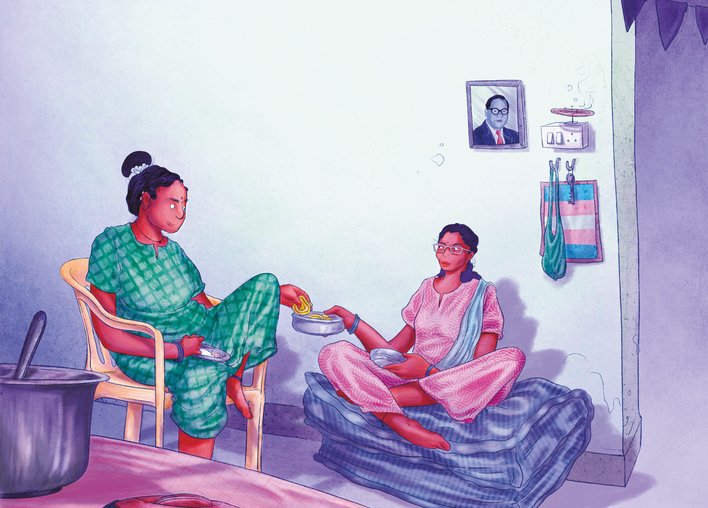
One day, Grace spoke to Munnamma. “Amma, I want to be a doctor.”
Munnamma shed a tear of joy. “You should study and make us all proud,” she said. It was not often that Thirunangais could study.
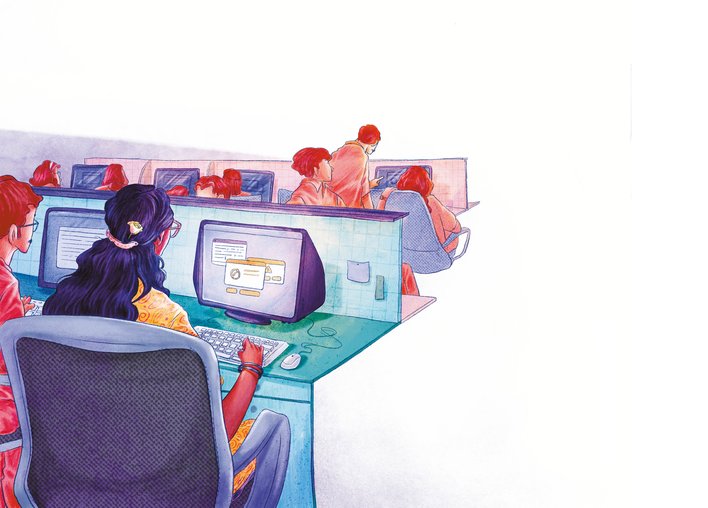
Grace had always wanted to be a doctor. But, she had never finished school. So, she decided to get a diploma in computer science engineering. She knew she had to study harder than everybody else. For one, she had never used a computer before.
Also, by now, Grace knew she wasn’t just a transgender woman. She was also a Dalit woman — someone from a historically oppressed caste.
Society still saw her as Dalit and transgender — not as somebody who could study and make a life for herself. She had to prove them wrong.
After she graduated, Grace got a job making software for computers. But she wanted to study some more. She wanted to pursue electrical and electronic engineering.
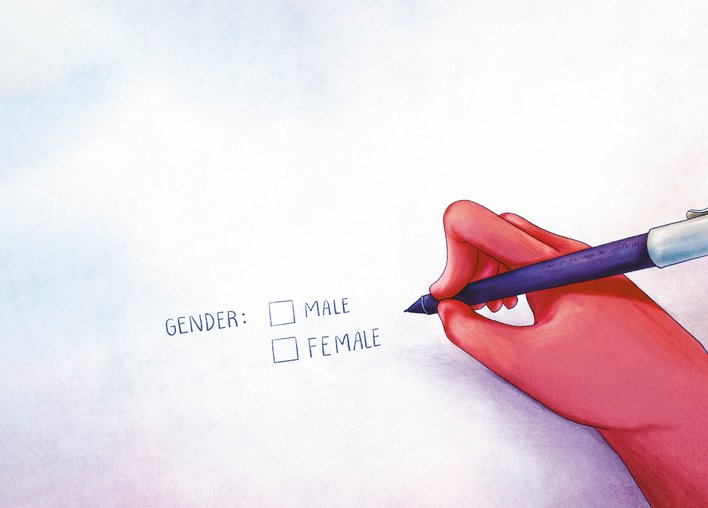
When she went to fill out the application form, there were only two boxes.
What about us Thirunangais? She applied nonetheless.
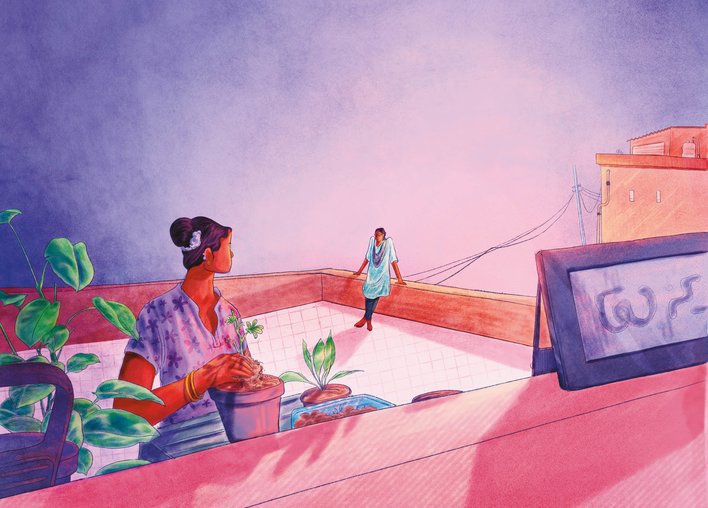
But her application was denied. Thirunangais could not study engineering, it seemed. “Hmmph!” It was time for a fight.
Munnamma encouraged her. “My daughter can win any fight.”
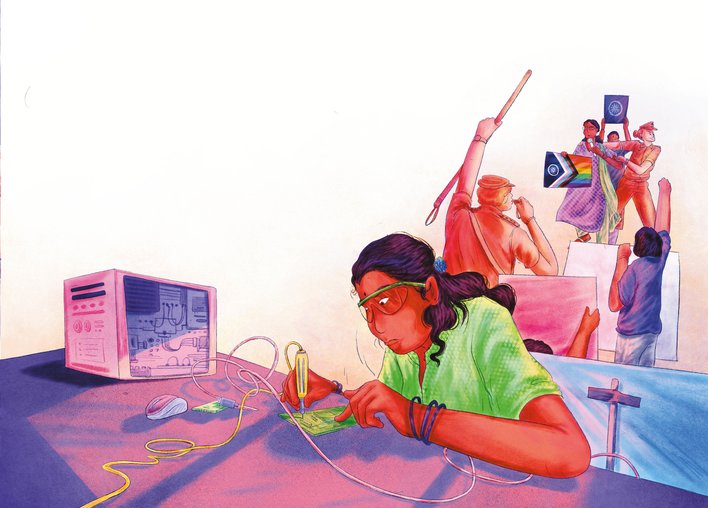
With help from a lawyer named Sanjeev Kumar, Grace asked the university one simple question. “Why can transgender persons not study engineering?”
It left people at the university thinking. They had no response. The victory was Grace’s.
In her mind, there was a larger question looming. “Why can’t science and technology be accessible to all?”
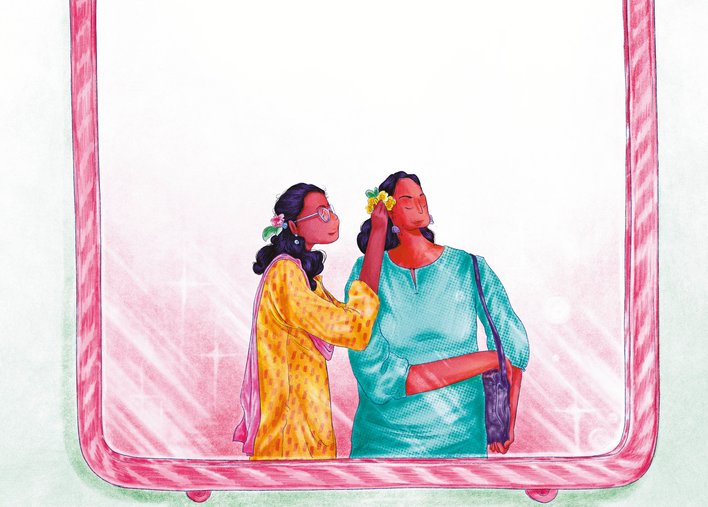
While Grace was fighting her own battle, she had adopted Tharika, a young transgender woman. Grace was committed to passing on the love and encouragement she had received from Munnamma.
When her daughter went to sleep, she could dream of a beautiful future now. Tharika dreamt of being a doctor, just as Grace once had.
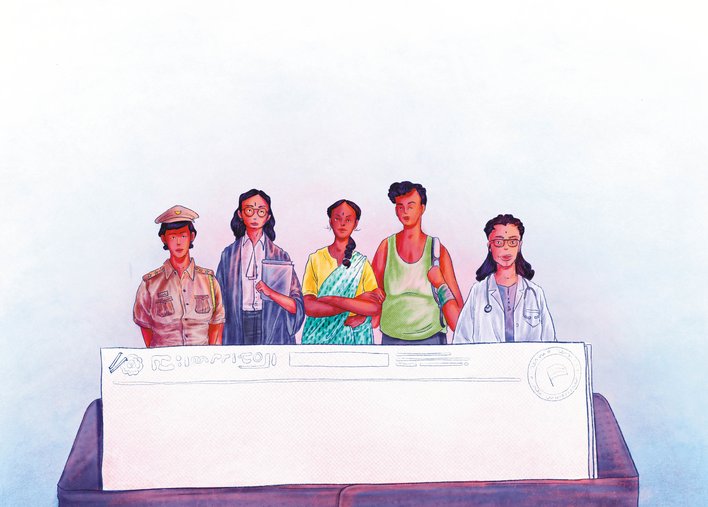
It was Tharika’s turn to apply to university. The application form still had only two boxes: Male and Female.
Grace decided she wouldn’t fight just for Tharika. This time, she would fight so that all transgender persons could pursue whatever education they choose, without having to hide their identity.
Tharika and Grace filed a case in the Madras High Court.
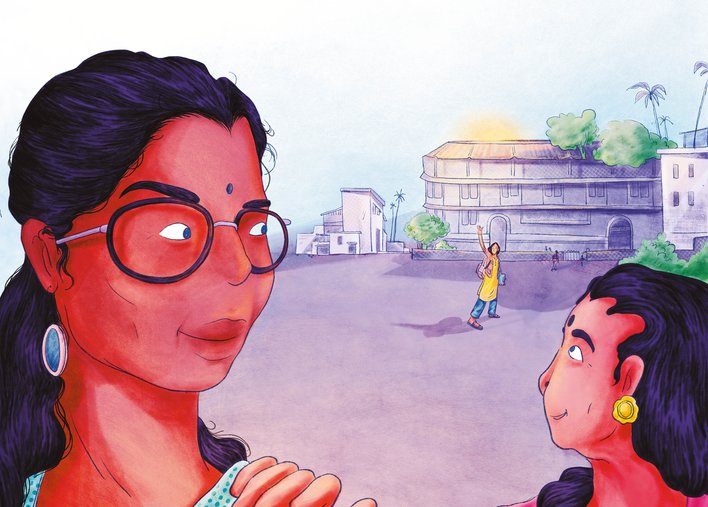
The High Court judgement was clear. Tharika — and all transgender persons — had the right to study medicine, like everyone else.
The mother–daughter team had won. So had an entire community.
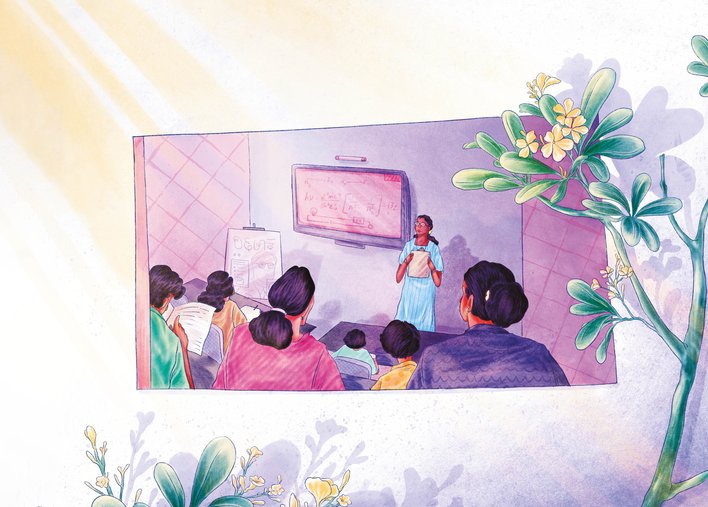
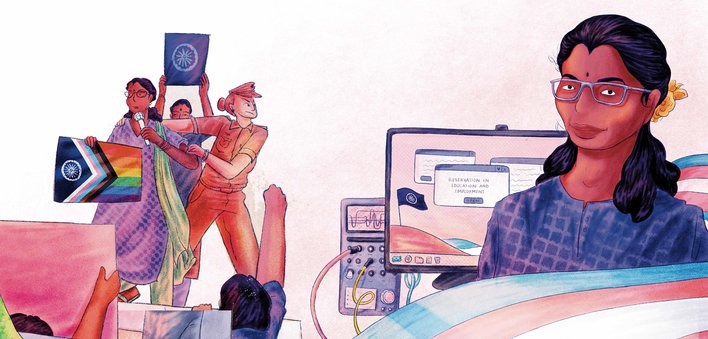
Today Grace continues to fight for the rights of transgender persons and persons from marginalised caste backgrounds to science education and employment.
“Gone are the times when science was done by upper-caste men alone,” she says.

As Grace confronts every challenge that society throws at her, Munnamma’s voice rings in her head. My daughter can win any fight!
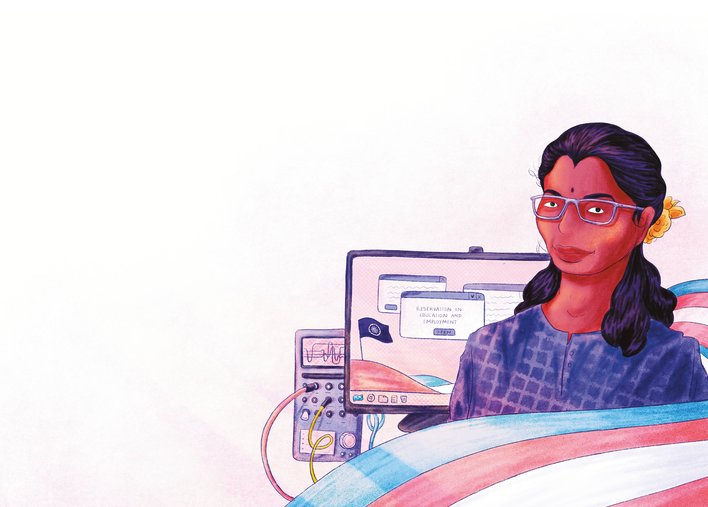
Meet Grace Banu
Grace Banu is an electronics and electrical engineer, and an anti-caste and transgender-rights activist. She was born in 1989 in Pudurpandiyapuram, a village near Thoothukudi, Tamil Nadu. Grace has been recognised for her work in making science and technology education accessible to people from marginalised backgrounds.
The judiciary has the power to ensure justice for communities who historically have been deprived of equitable access to education and employment.
Grace has decided to make the best use of the judiciary to win the rights of transgender persons and people from marginalised-caste backgrounds. She also trains them for entrance examinations for science institutions and universities.
Science and technology education must be accessible to all.