Everyday Superheroes
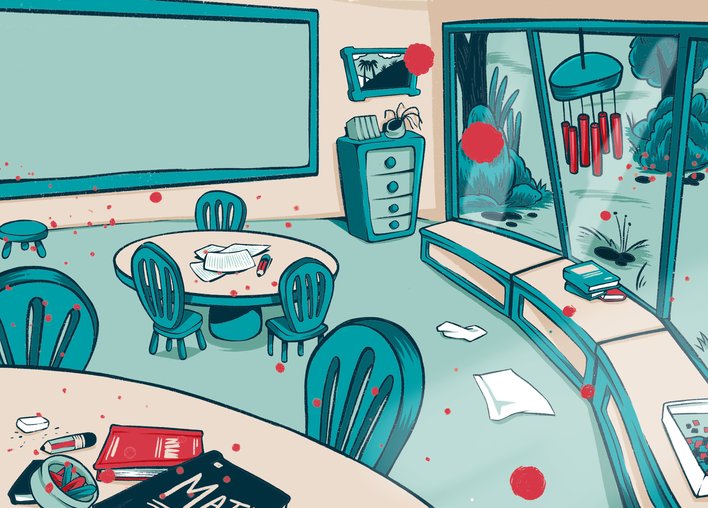
The world looked different. Many grown-ups had stopped going to work. Children had stopped going to school.
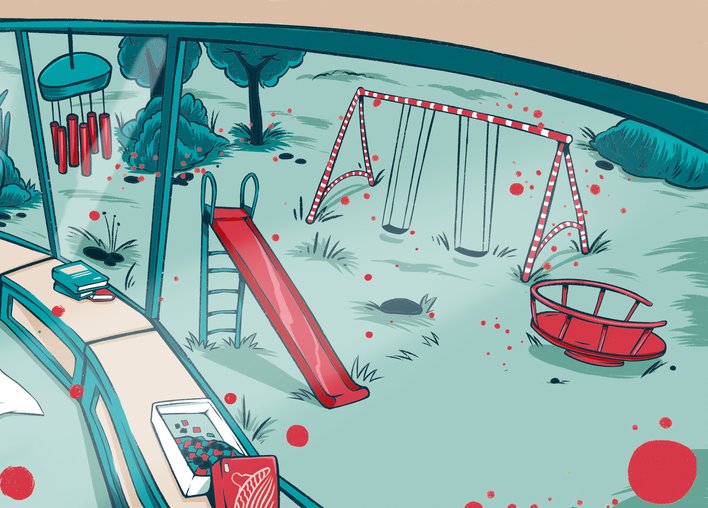
They could no longer play in the park or meet their friends.

There was a virus in the air. The virus was called the novel coronavirus. It made many, many people very sick.
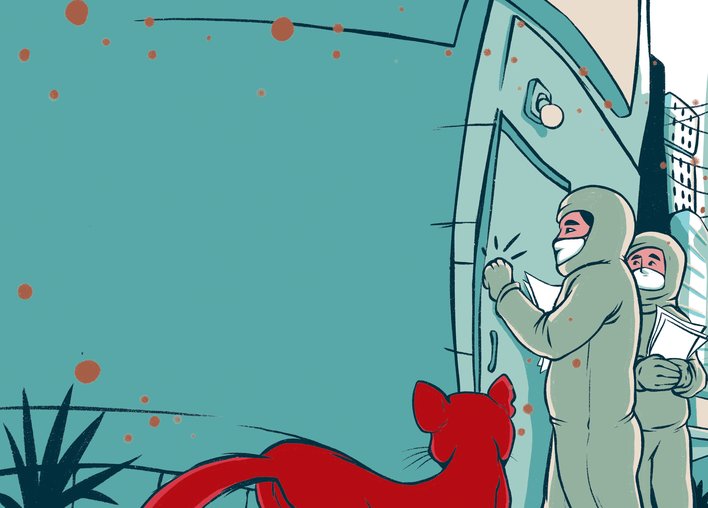
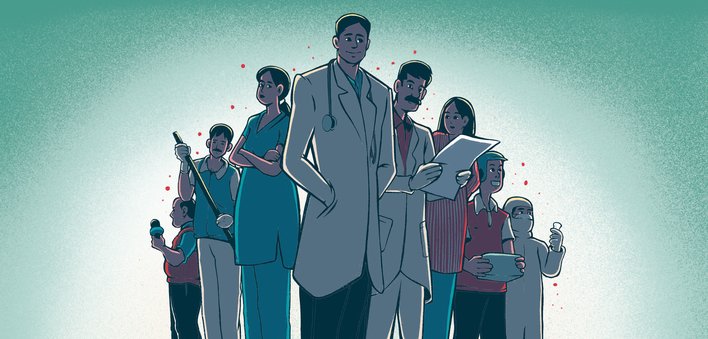
Superheroes stood up to save the world then. Some tried to find a cure. Some cared for the sick. And some tried to stop its spread. These superheroes did not wear capes. They did not fly. They did not carry swords or lassos. They wore masks and protective suits. They carried stethoscopes and thermometers. They looked through microscopes and examined lab reports.
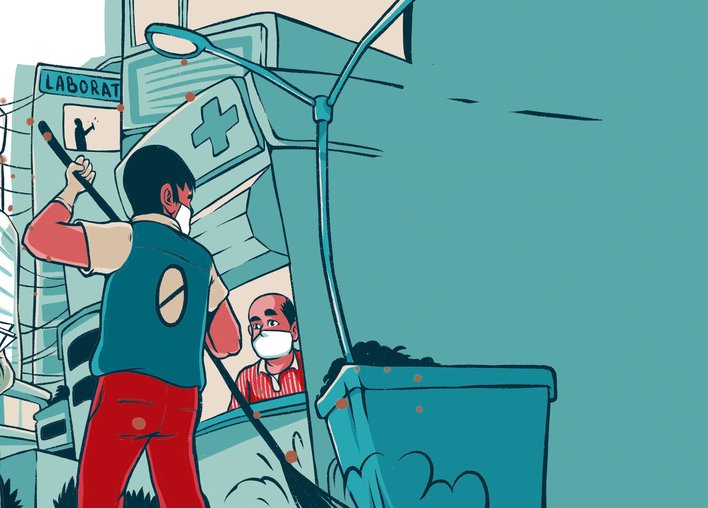
They could be found in people’s homes, in neighbourhoods, in laboratories, in hospitals. Everywhere.
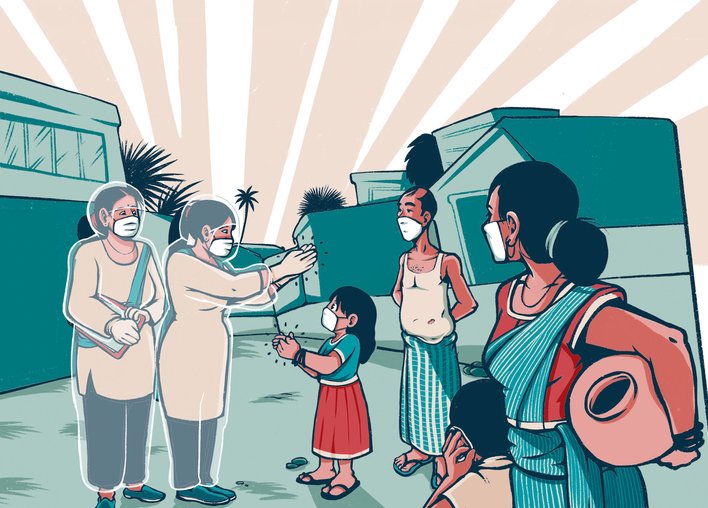
The community health workers started their day early. They went from house to house in villages and cities. They asked people to wash their hands, stay home, wear a mask when they stepped outside, and keep a distance of at least 2 metres from others.
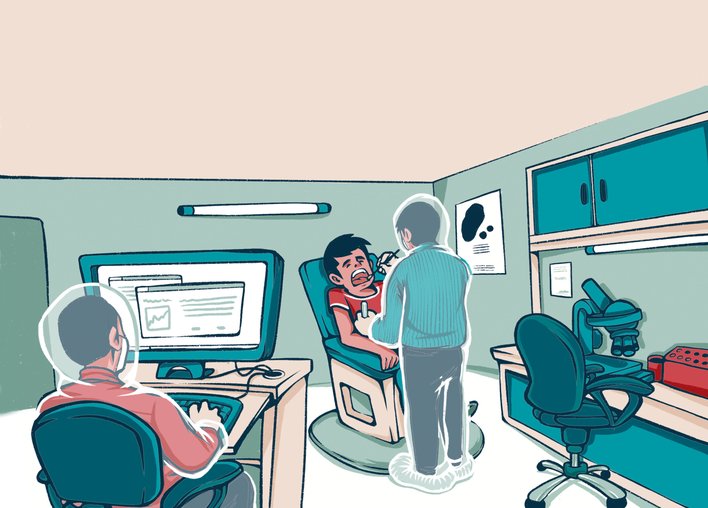
When people fell ill, the laboratory technicians and molecular biologists collected samples of body fluids and ran tests. They used laboratory equipment and computer programs to conduct tests and analyse results. They recorded the findings and shared them with doctors.
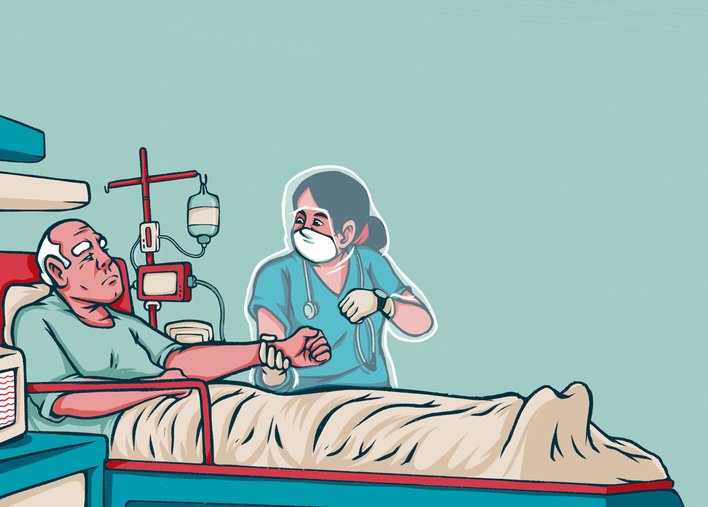
The nurses looked after patients and treated them — sometimes at home, sometimes at the hospital. They gave patients medicines, and checked their pulse, temperature and oxygen levels. They helped patients recover.
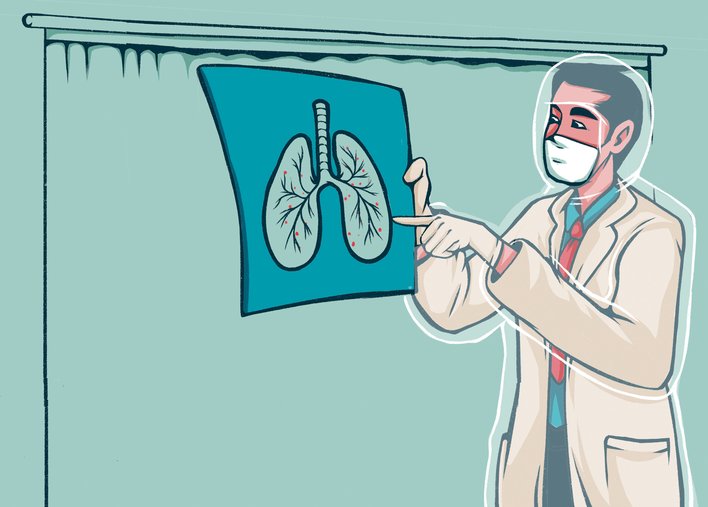
If the virus attacked the lungs, the pulmonologists took care of it. They treated patients with lung disease or respiratory problems. They looked at the medical reports and decided the course of treatment.
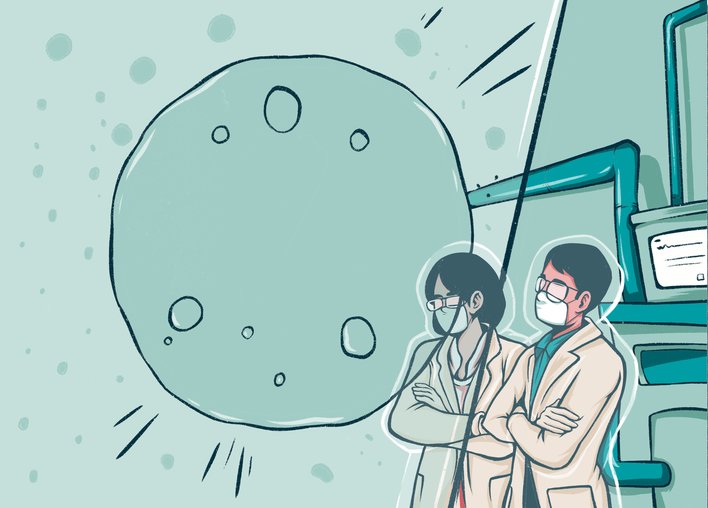
Virologists and doctors conducted research. They studied the virus. They developed new medicines to treat the sickness, and vaccines to prevent people from falling sick.
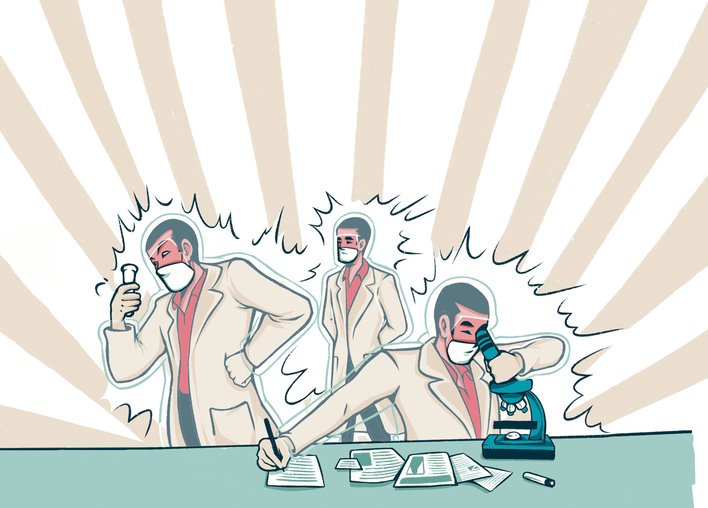
When the virus first appeared, the epidemiologists conducted investigations. Like detectives, they asked questions. Where did it start? How did it spread? Why does it work so fast? Who is at risk? They tried to figure out how to stop the disease from spreading. Their work can be used to prevent similar outbreaks in the future.
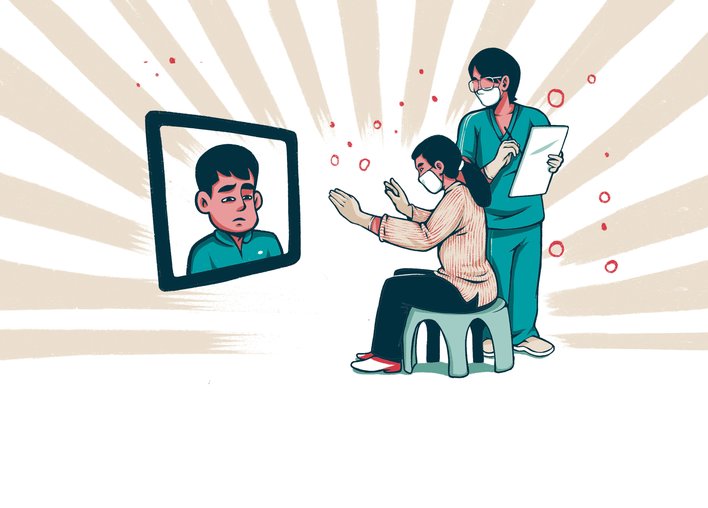
When people were scared, worried, confused, angry or exhausted, the psychologists listened and guided them. The psychiatrists gave them medicine for anxiety or sadness.
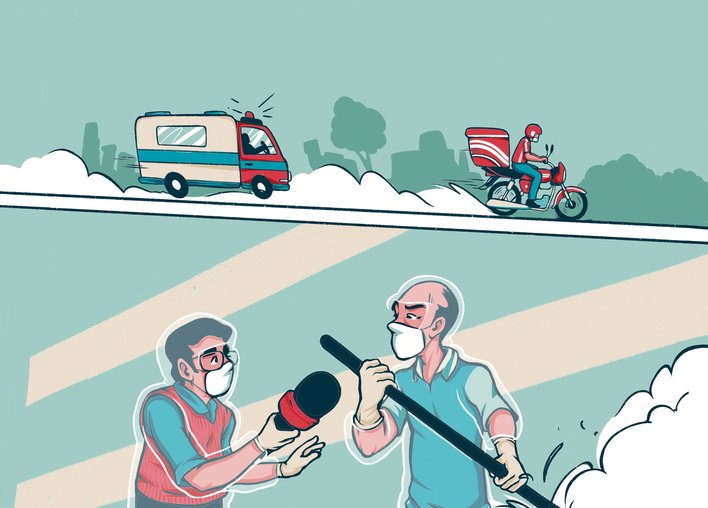
Ambulance drivers took patients to the hospital in their ambulances.
Delivery persons carried essential supplies, like food and medicines, to people’s home.
Reporters brought information and news from all over the world.
Garbage collectors collected the waste in the community.
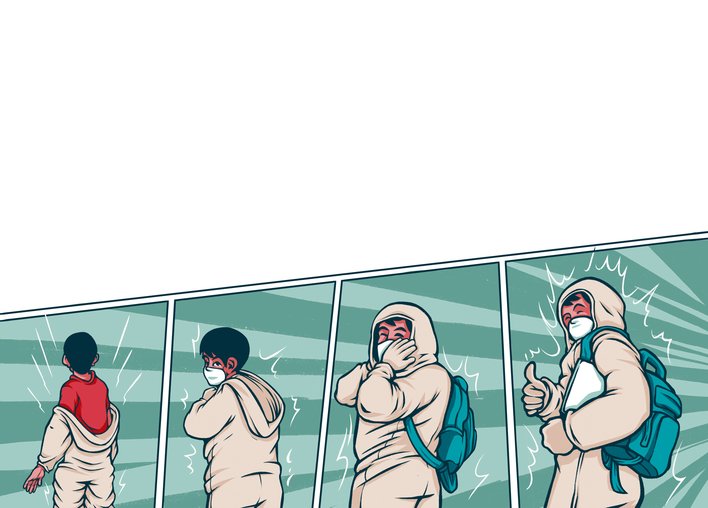
All these superheroes worked long hours. They put their lives at risk to protect people. They always showed up when they were needed. They were everyday superheroes.