Chomp, Gulp... Burp!
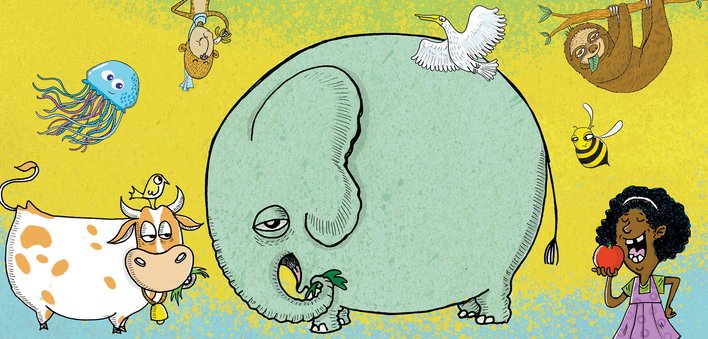
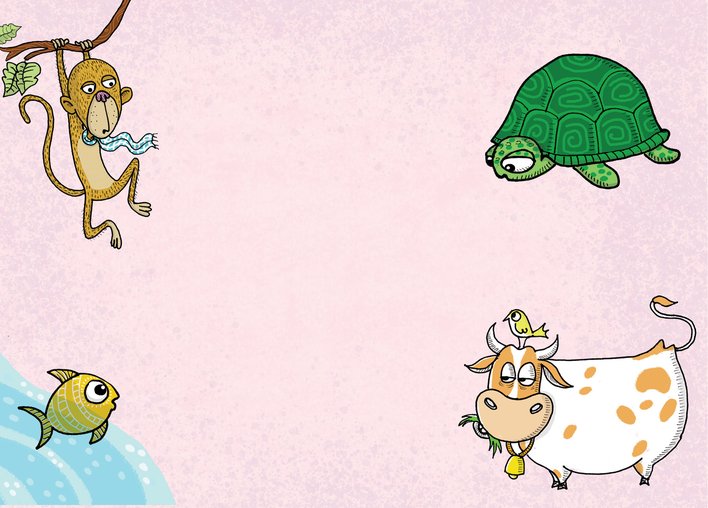
Our body needs food to live, move and grow.
It breaks food into small pieces that can be swallowed. This is called ingestion.
It then removes waste bits and sends the useful parts of the food into the bloodstream. This process is called digestion.
The animal world has bodies of all sorts, and each species ingests and digests food in its own way.
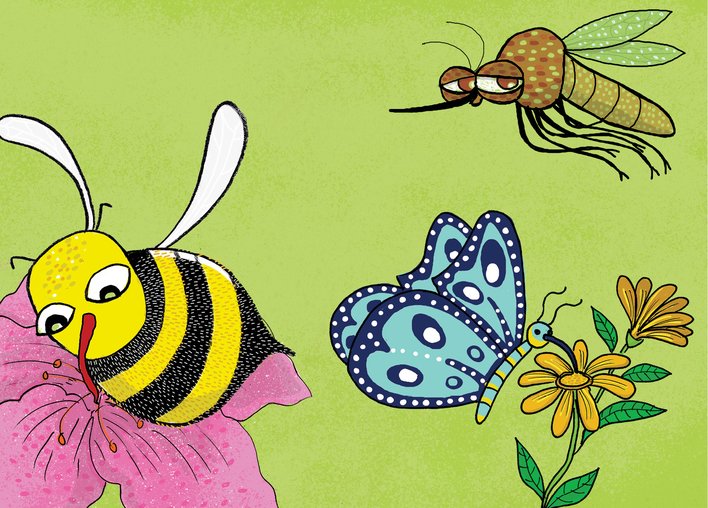
Some sip their food right up.
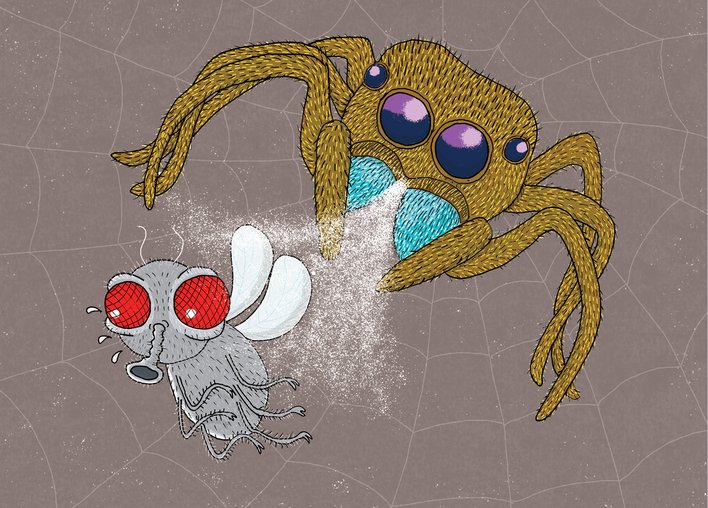
Some splash it first, then… slurp!
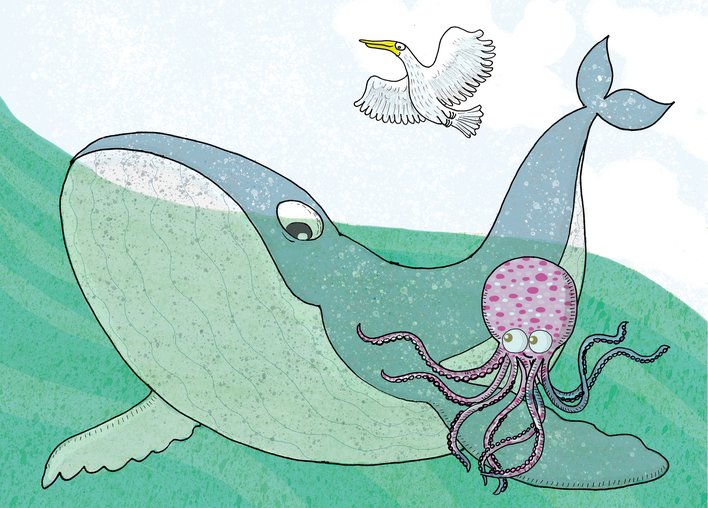
Some swallow their food whole.
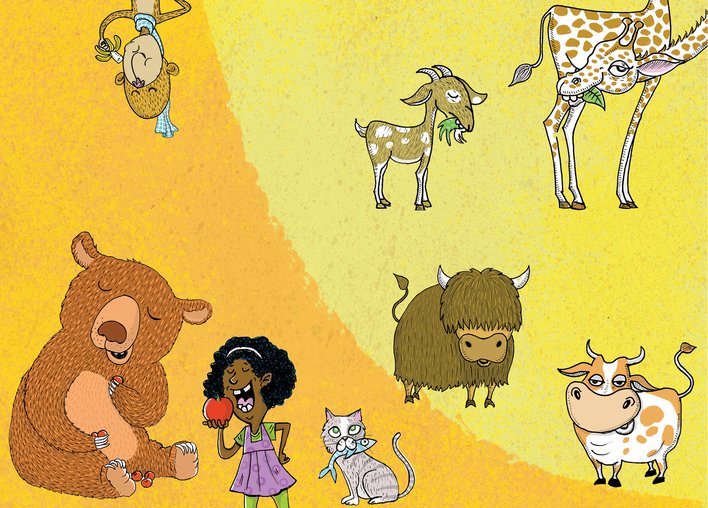
Some chew before they swallow.
Some swallow first, then chew.
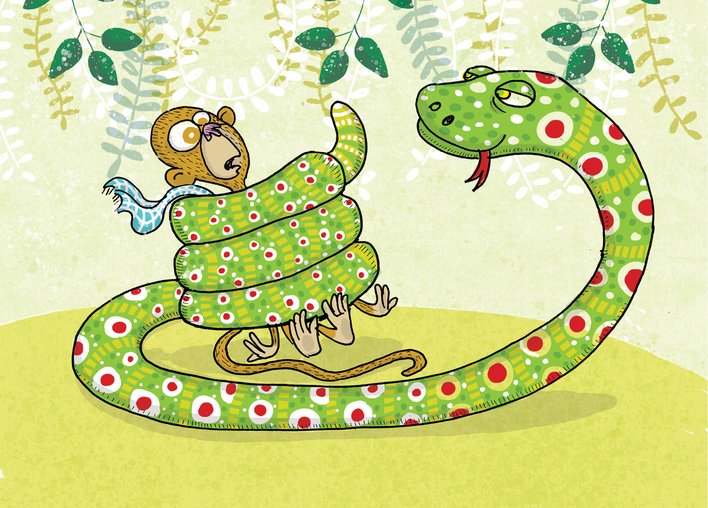
Some squeeeeze and then… gulp!
Boa constrictor
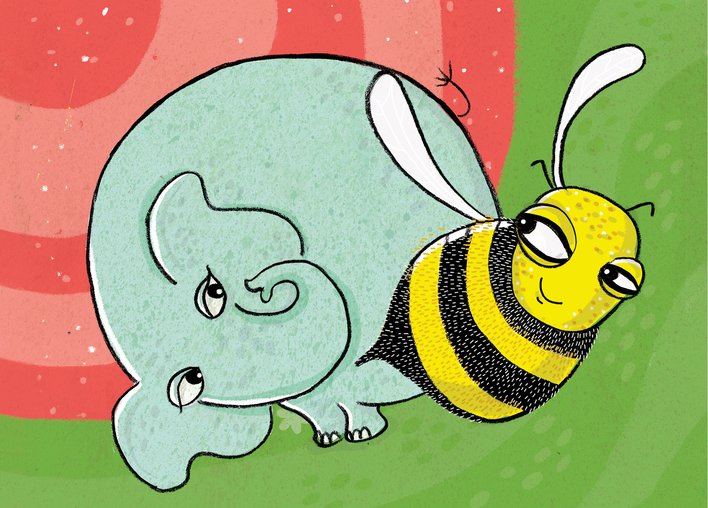
Some have one stomach.
Some have two.
Elephant
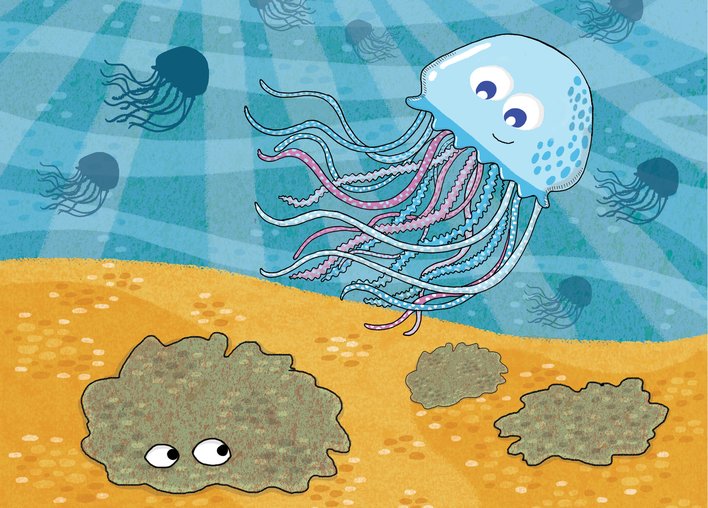
Some have none.
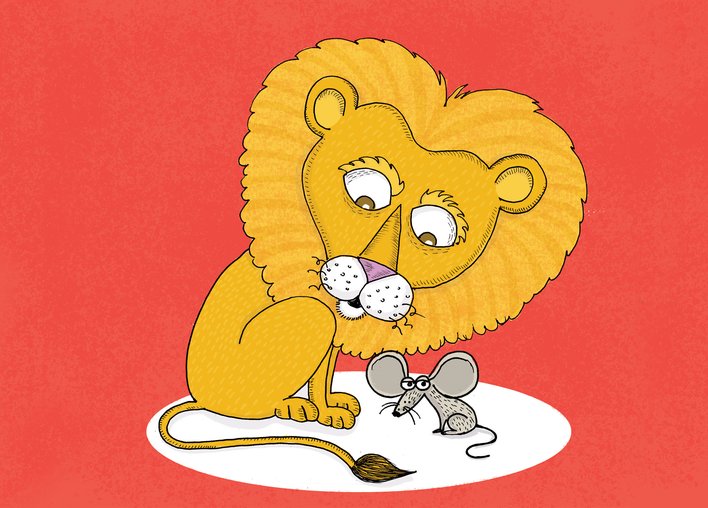
Some digest food quickly.
Some work slowly.
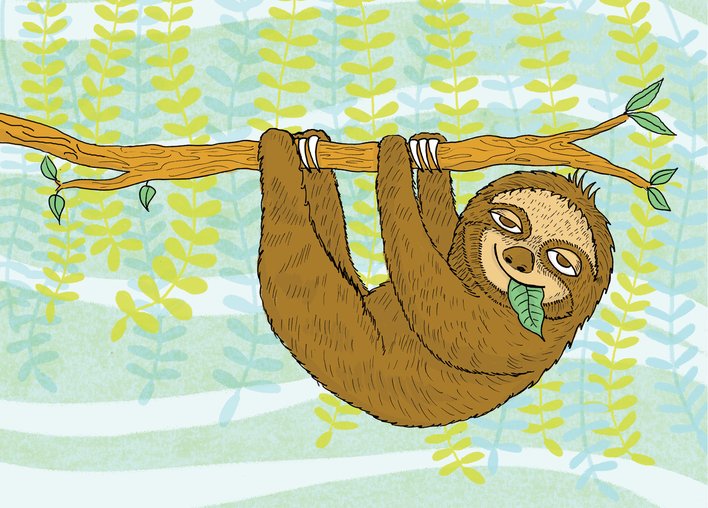
Some are even s-l-o-w-e-r…
Sloth
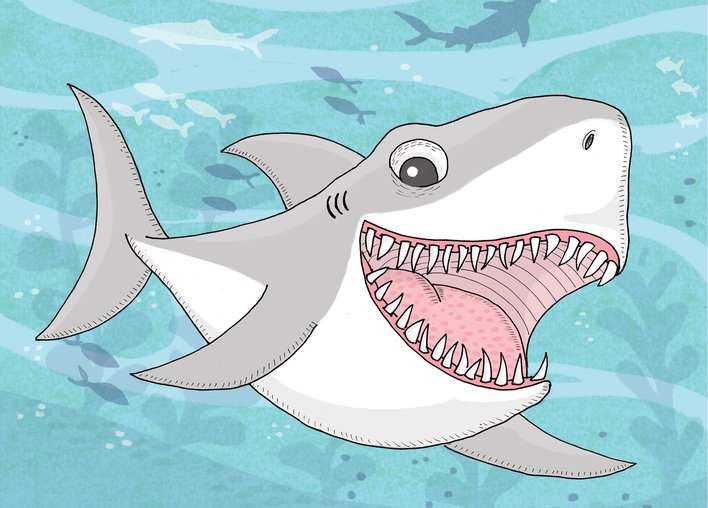
and some are very fast.
Shark
Which one is the strongest?
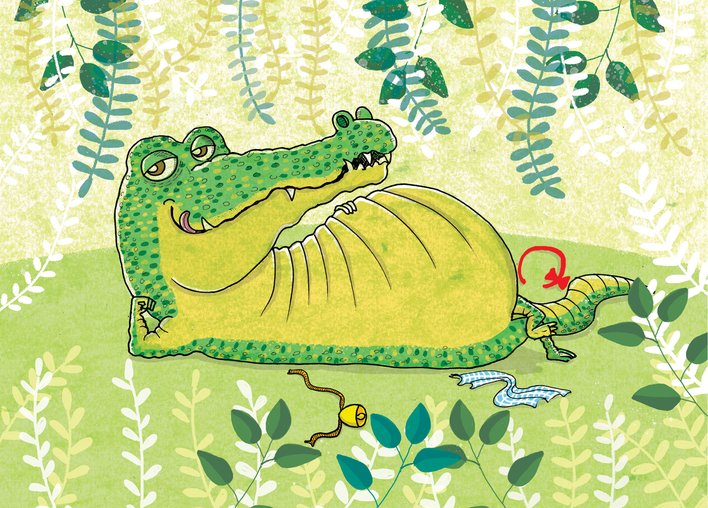
Burp!
Crocodile
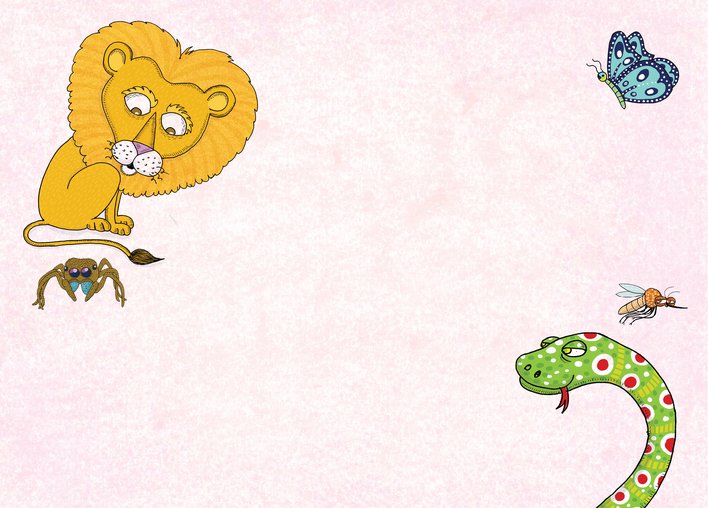
Butterflies, bees and mosquitos only drink liquid food.
Spiders splash their prey with special juices that dissolve their bodies, making them easier to digest.
Some birds swallow small stones that help grind food down in a part of their stomachs.
Boas and pythons swallow their prey whole. Then their bodies secrete juices that digest the food completely.
Bees have two stomachs — one to digest food and one to store nectar in.
Meat is digested faster than plant fibre. That is why lions digest food faster than mice.
Chew, Swallow, Burp!
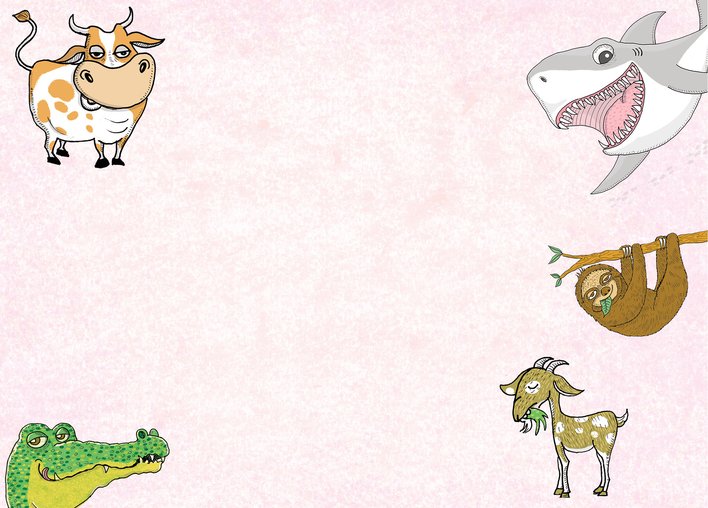
Cows have four chambers in their stomachs to help them store food. The food is then brought back up for chewing.
Goats and horses have three chambers in their stomachs in which food collects and ferments.
Sloths have three chambers in their stomachs too, and can take up to two weeks to digest a meal of leaves.
Sharks have very strong stomach acids and enzymes that speedily dissolve the food they eat.
Crocodiles have a unique combination of strong teeth, powerful stomach juices and stones that they ingest to grind food in their stomachs.