Chasing the Rain
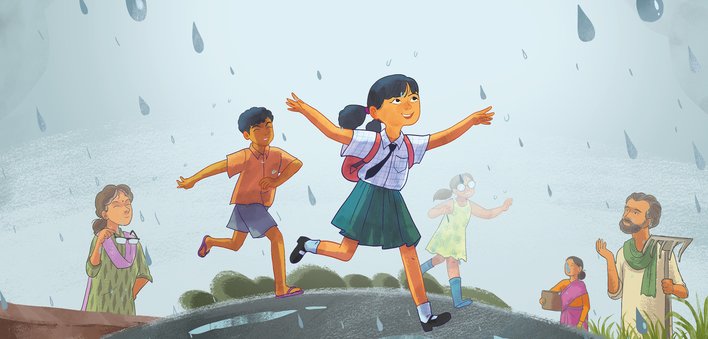
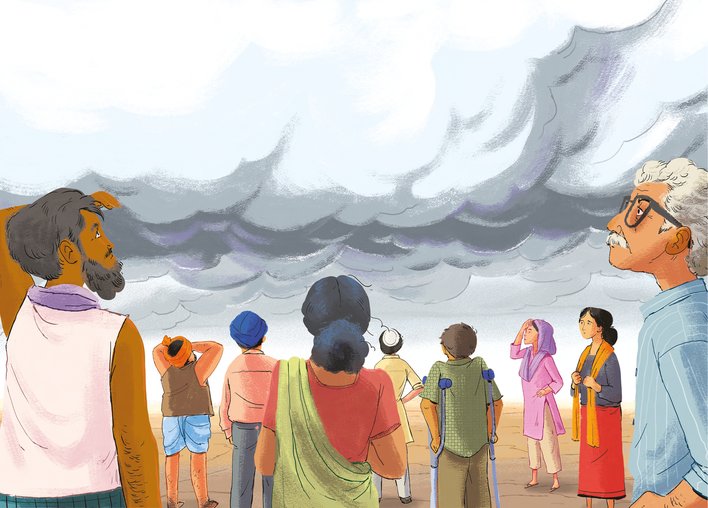
Waiting is sometimes the hardest thing to do.
Especially when the heat of May turns us into melted ice cream.
When the air is oh-so-still.
When everything is bleached of colour.
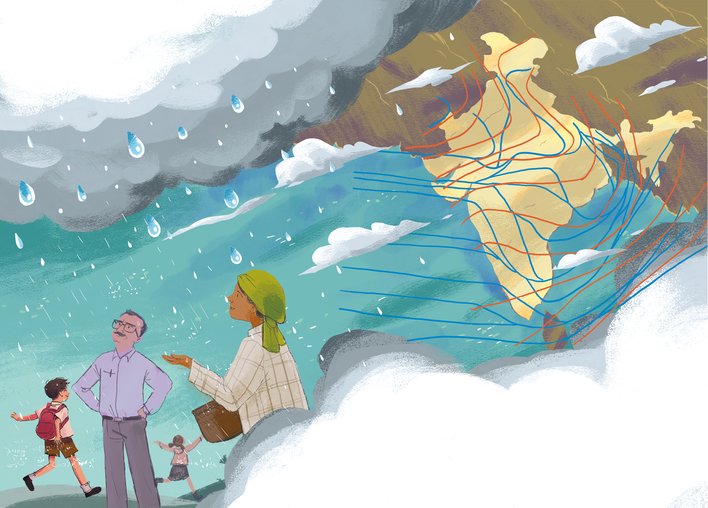
Finally, rain arrives.
Sometimes a little early.
Sometimes a little late.
Between June and September, the southwest monsoon brings around three-quarters of the rain India will receive during the year.
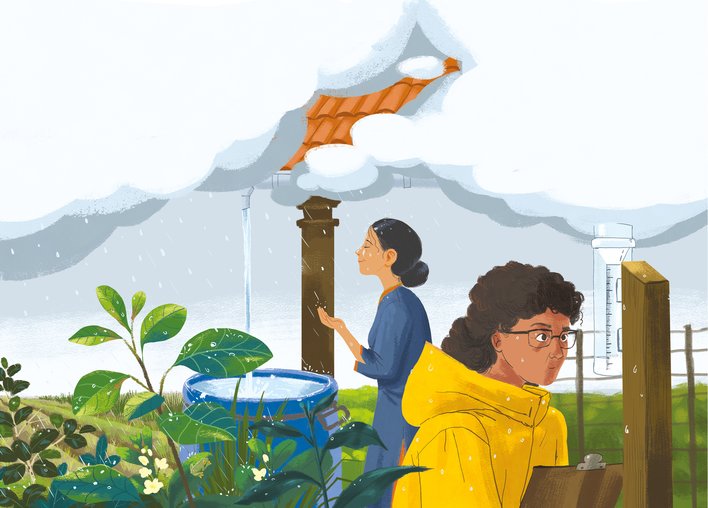
We rely on her arrival, and her rhythms and patterns, to bring relief from the summer heat, clean our atmosphere of pollutants, grow our food, replenish our groundwater and feed our rivers.
When rain, sunshine or wind are measured in the same place over time, patterns start to emerge. Meteorologists began keeping rainfall records over 120 years ago.
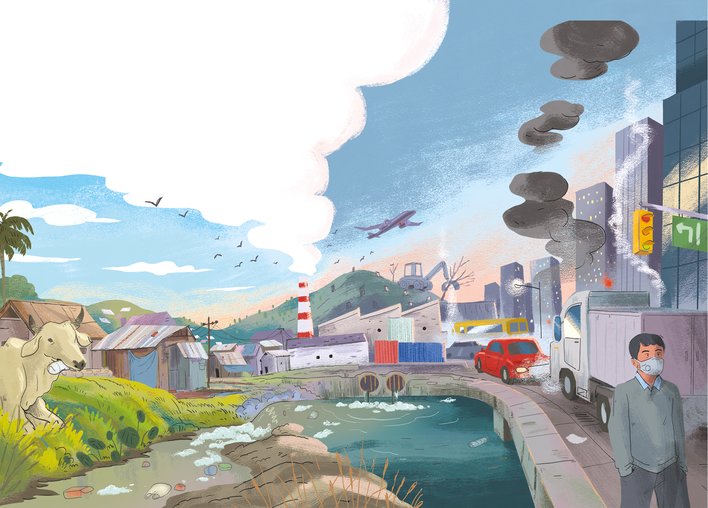
But the climate is changing. Human activities — burning fossil fuels and cutting down forests — are releasing greenhouse gases into the atmosphere. Our planet has been heating up faster and faster since the 1800s. Our monsoon is becoming less reliable and more dangerous.
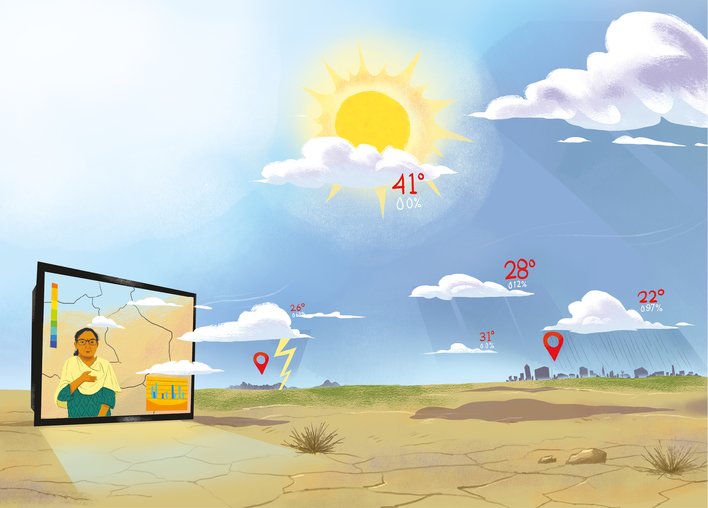
Scientists, like Dr K Naga Ratna, are trying to understand these changes and track the monsoon better. With rising temperatures, monsoon clouds absorb more water. When meteorologists like her are able to predict exact amounts of rain over smaller regions, they can send daily updates about the coming weather in areas as small as 2 square kilometres!
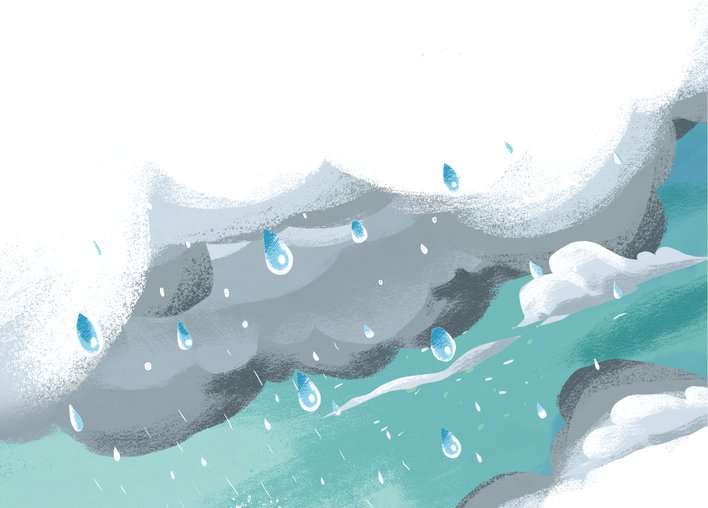
The Earth has warmed more than 1°C since the Industrial Revolution. It is likely that every additional degree of warming will increase India’s monsoon rainfall by 5 per cent. We’re already seeing an increase in extreme weather events like cyclones, droughts and floods, which affects everyone — people, forests and animals.
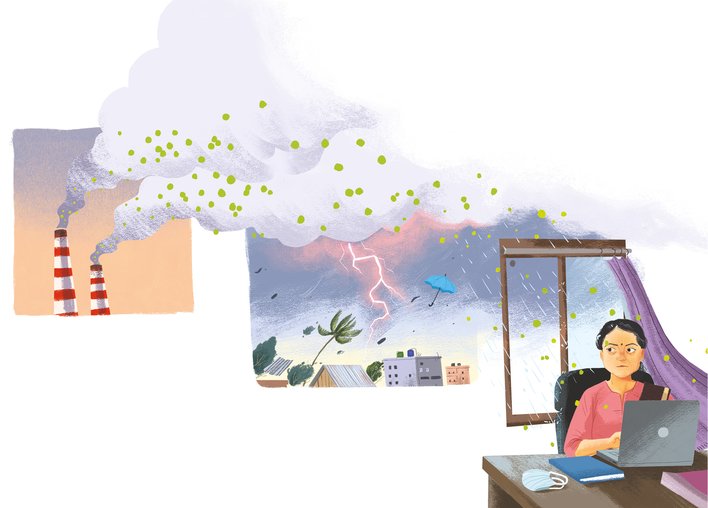
There’s also a connection between the monsoon and polluting aerosols released by factories and in vehicle exhaust. Suvarna Fadnavis, an atmospheric physicist, has been researching this.
During the COVID-19 pandemic lockdown, pollution in India went down. Suvarna found that with less polluting aerosols there was an increase in rainfall — almost 3 millimetres a day, on average!
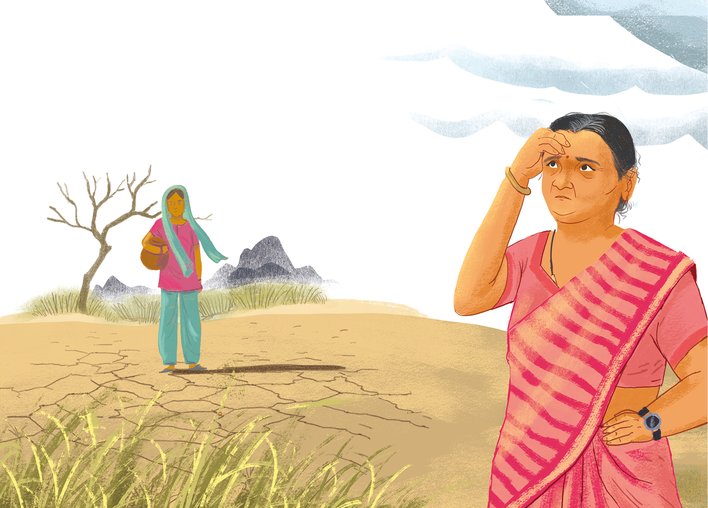
Computer simulations called climate models help us understand how climate change affects rainfall. Scientists and statisticians all use them in their work.
Statistician Ashwini Kulkarni says that we now have more days with no rain and very heavy rain, but fewer days with moderate rainfall, which are needed for agriculture.
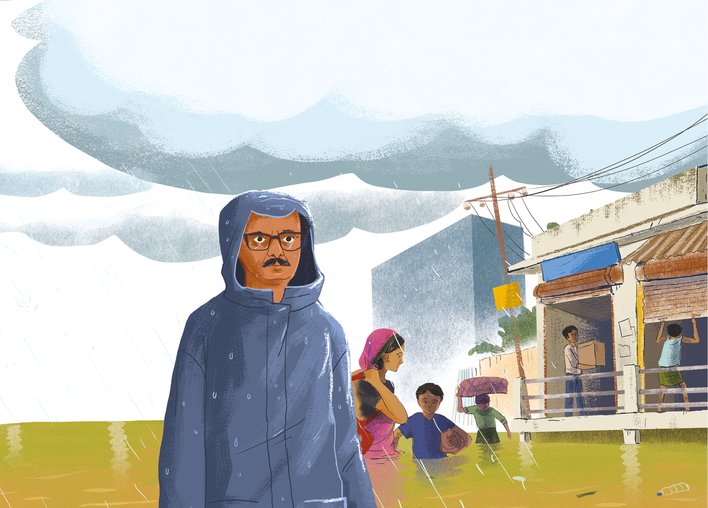
Flood risk has increased in the last two decades, too. Meteorologist
Pulak Guhathakurta says this has been observed over the eastern coast, West Bengal, eastern Uttar Pradesh, Gujarat and the Konkan region.
The health and happiness of a large part of India depends on the monsoon.
Especially that of her farmers.
Farmers need to know when the rain is coming, and how hard it will fall, so the crops they plant can grow. Knowing is the first step of planning.
Vimal Mishra is a professor who researches water resources and climate change. His research shows there might be more flash droughts, which worsen quickly because of extreme weather conditions. He has built a drought early warning system, which helps farmers.
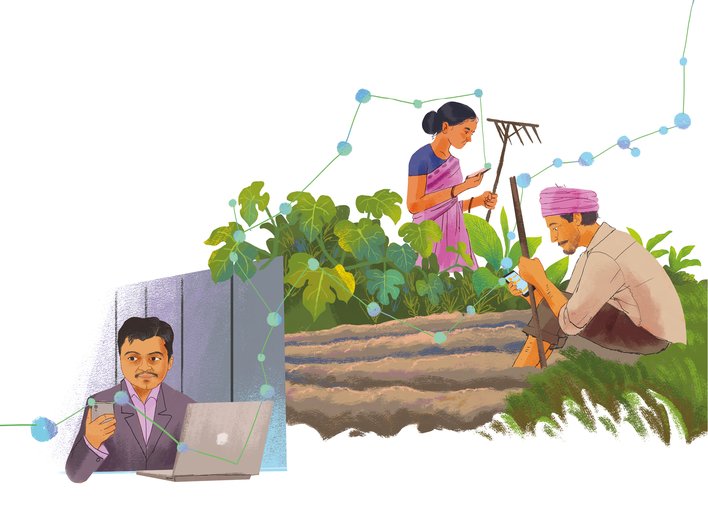
Many farmers also use Mausam and
Meghdoot apps, which provide weather updates, forecasts and warnings for extreme events. Scientist Ram Dhulipala was part of the team that created these apps.
But knowing the weather doesn’t stop it from being irregular. So farmers are coming up with ways to adapt to climate change.
In Kerala, Shaji NM is collecting and planting over 300 varieties of tubers like yam, cassava and taro.
Tubers go to sleep when the weather is unsuitable, but start growing when conditions get better.
In Odisha, Debal Deb is conserving over 1,400 heritage varieties of rice that can withstand both droughts and floods.
That includes salt-water intrusion in coastal areas.
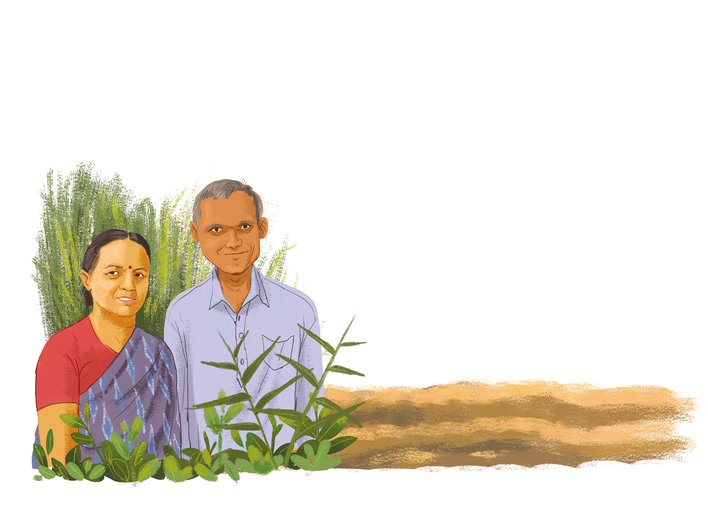
In Maharashtra, Karuna and Vasant Futane have been practising dust sowing for many years. Doing this before the first rains allows seeds to learn how to survive climatic changes.
They’ve inspired many around India, like the
Gram Art Project, to adopt the practice.
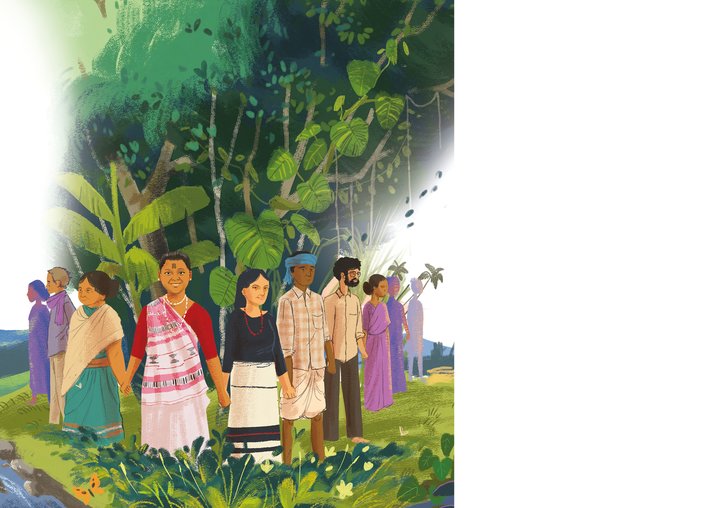
In villages like Gulel and Tala Narang in Odisha, tribal communities have come together to get access to land, build ponds and harvest water from perennial streams to reduce their dependence on rainwater.
Archana Soreng is a researcher from the Khadia tribe in Odisha, who wants better representation of indigenous people in policy and decision-making. She is working on documenting, preserving and promoting the traditional knowledge and cultural practices of indigenous communities.
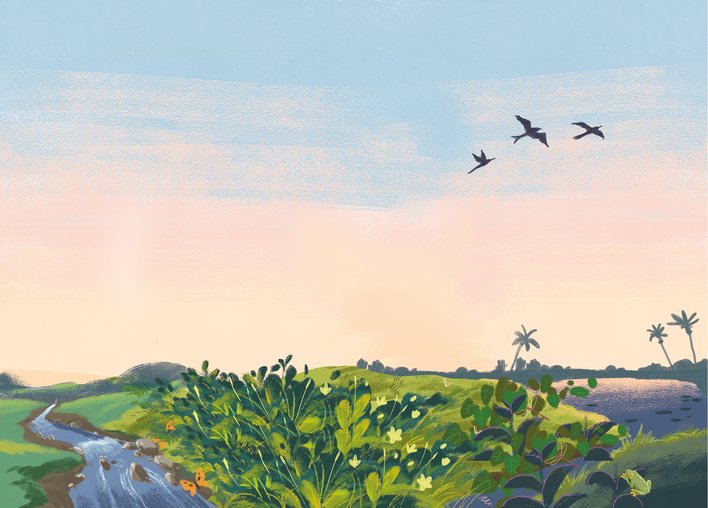
Forest-dwelling communities are leading the way in defending Earth’s land and water. Nature is their source of identity, culture, tradition and language. The communities understand an important secret: that we are part of the natural world, not above or outside it.
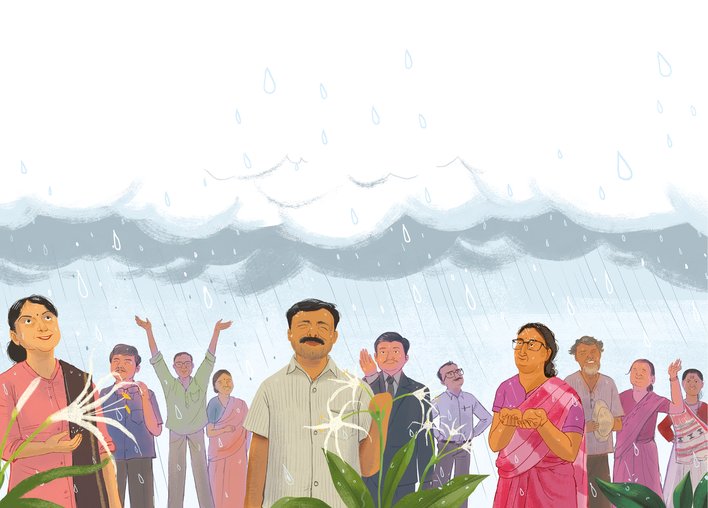
The climate is changing. With it, the nature of the rains we love is changing too.
Sometimes, things will seem difficult.
Sometimes, we will have to do hard things.
But there are incredible people working on making things less difficult.
So that every year, come June, When the hills are green with rainsong
When the air sparkles with water droplets
When the rivers flow with catfish
We go dancing.
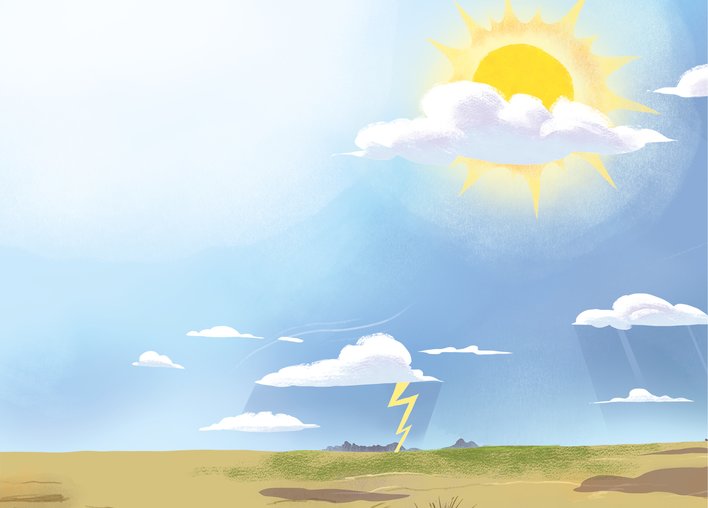
HOW DO CLIMATE RESEARCHERS TRACK OUR MONSOON
Atmospheric scientists/meteorologists study the weather, climate and other aspects of the atmosphere. They use their knowledge and data to forecast the weather.
Applied mathematicians can use their maths skills to study climate-related problems.
Climatologists study weather patterns over a long timescale to find trends across years, or even centuries.
Climate adaptation planners help governments and communities plan public spaces for the future so that we can prepare for the impacts of climate change.