All About Snouts and Tails
Hammer snout
Propeller tail
Downward snout
Navigator tail
Flat snout
Rudder tail
Detective snout
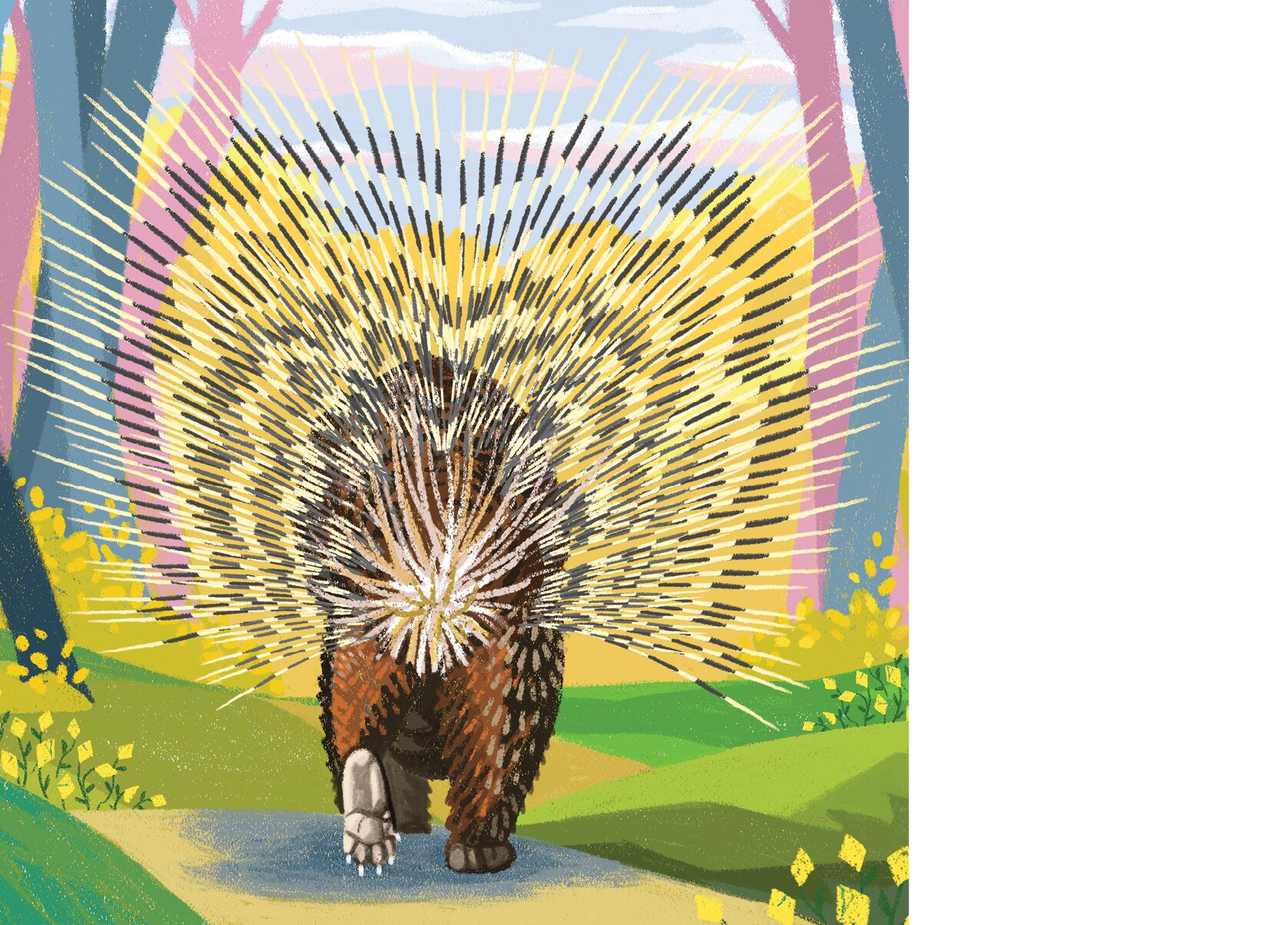
Rattling tail
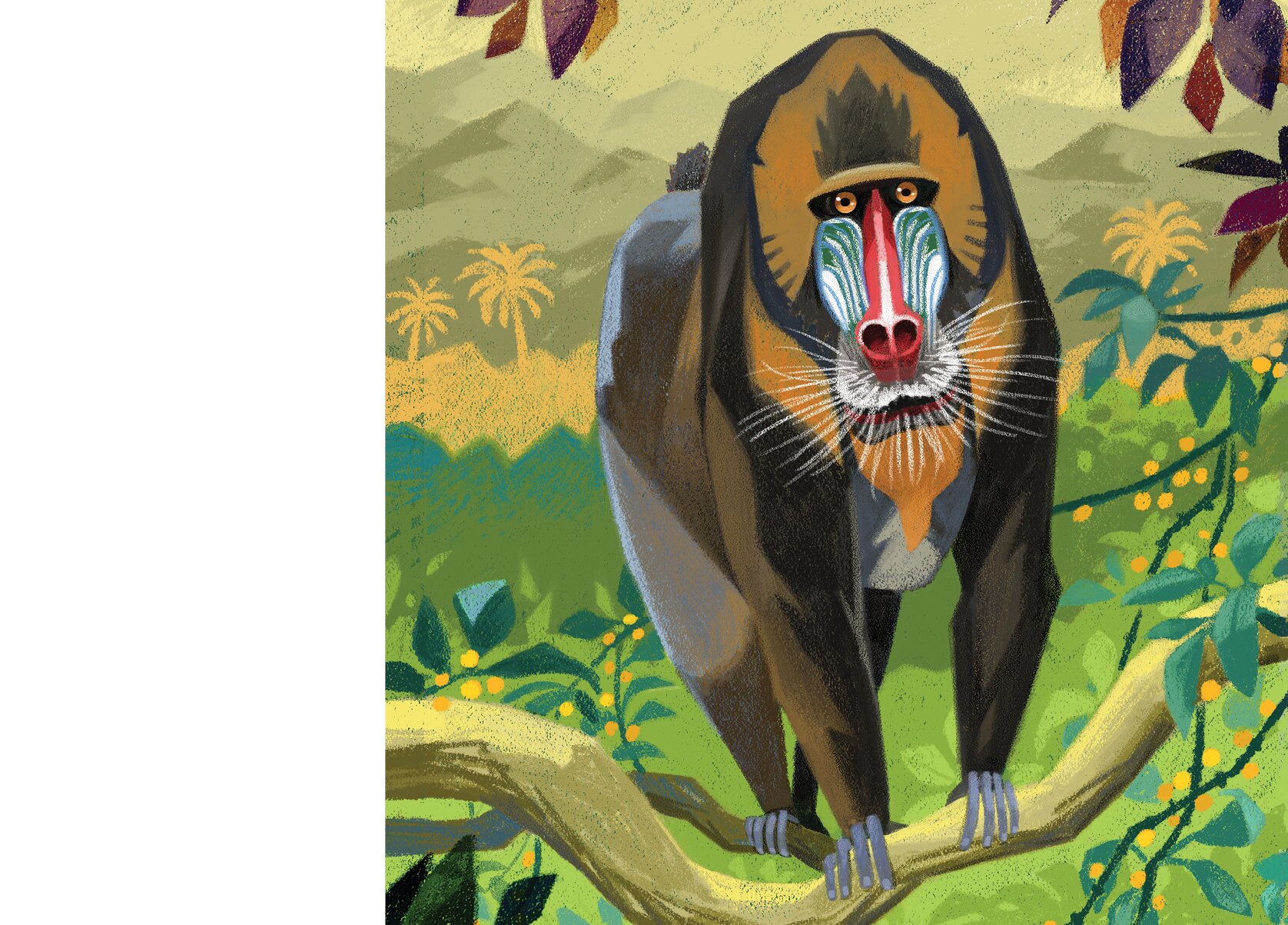
Painted snout
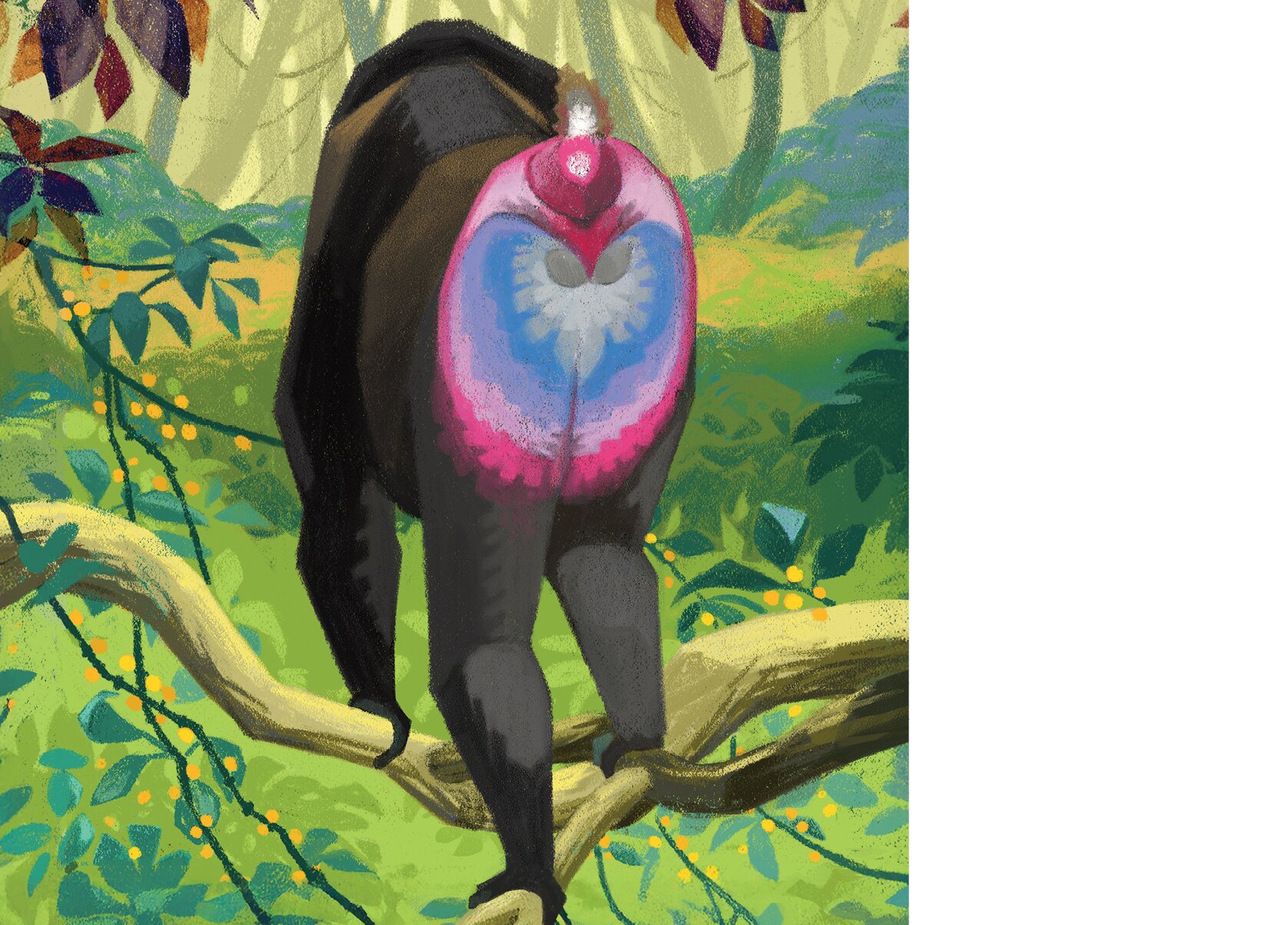
Upright tail
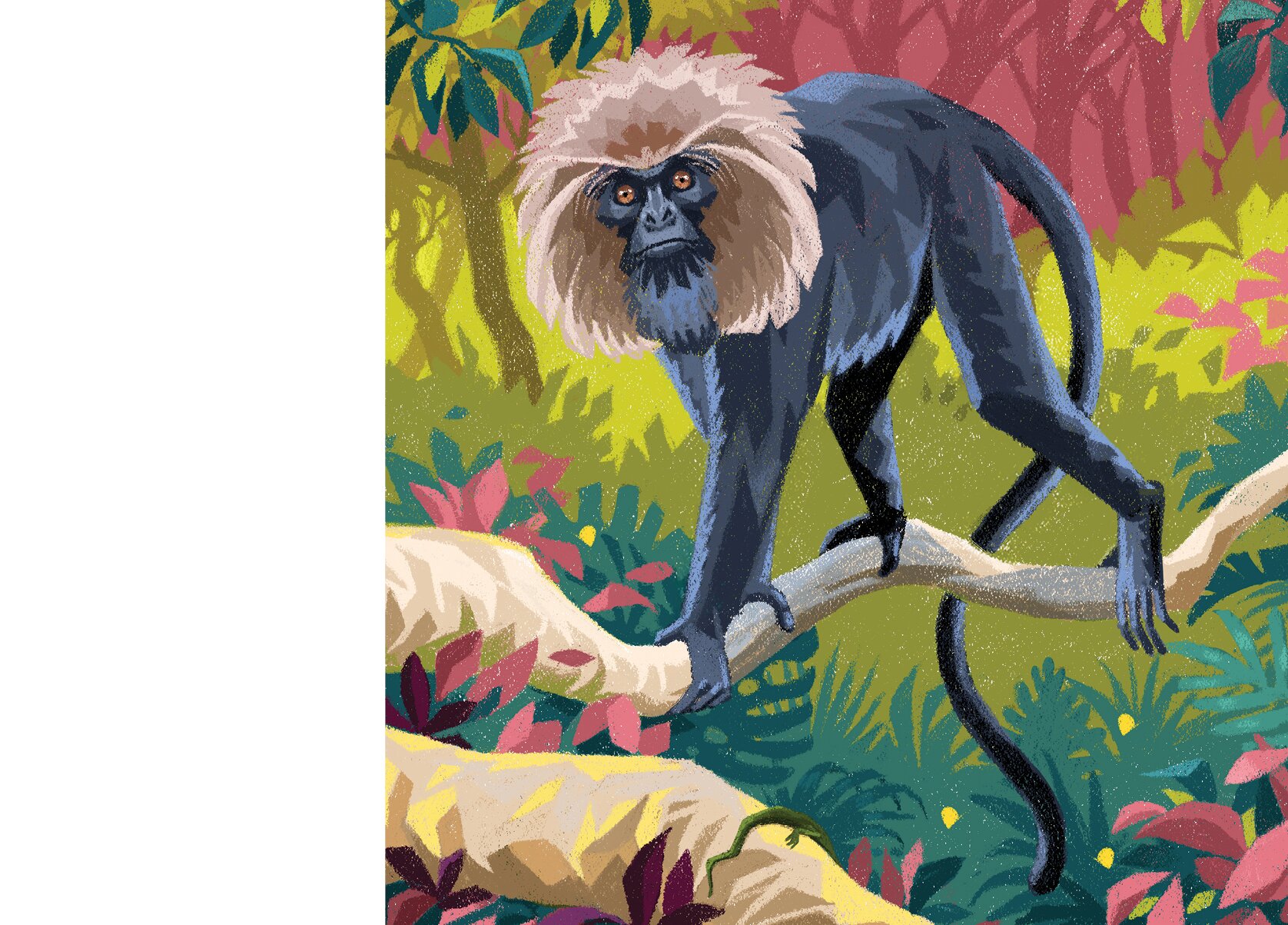
Maned snout
Extra-long tail
Three-horned snout
Colour-changing tail
Air-filter snout
Extra-short tail
Warming snout
Blanket tail

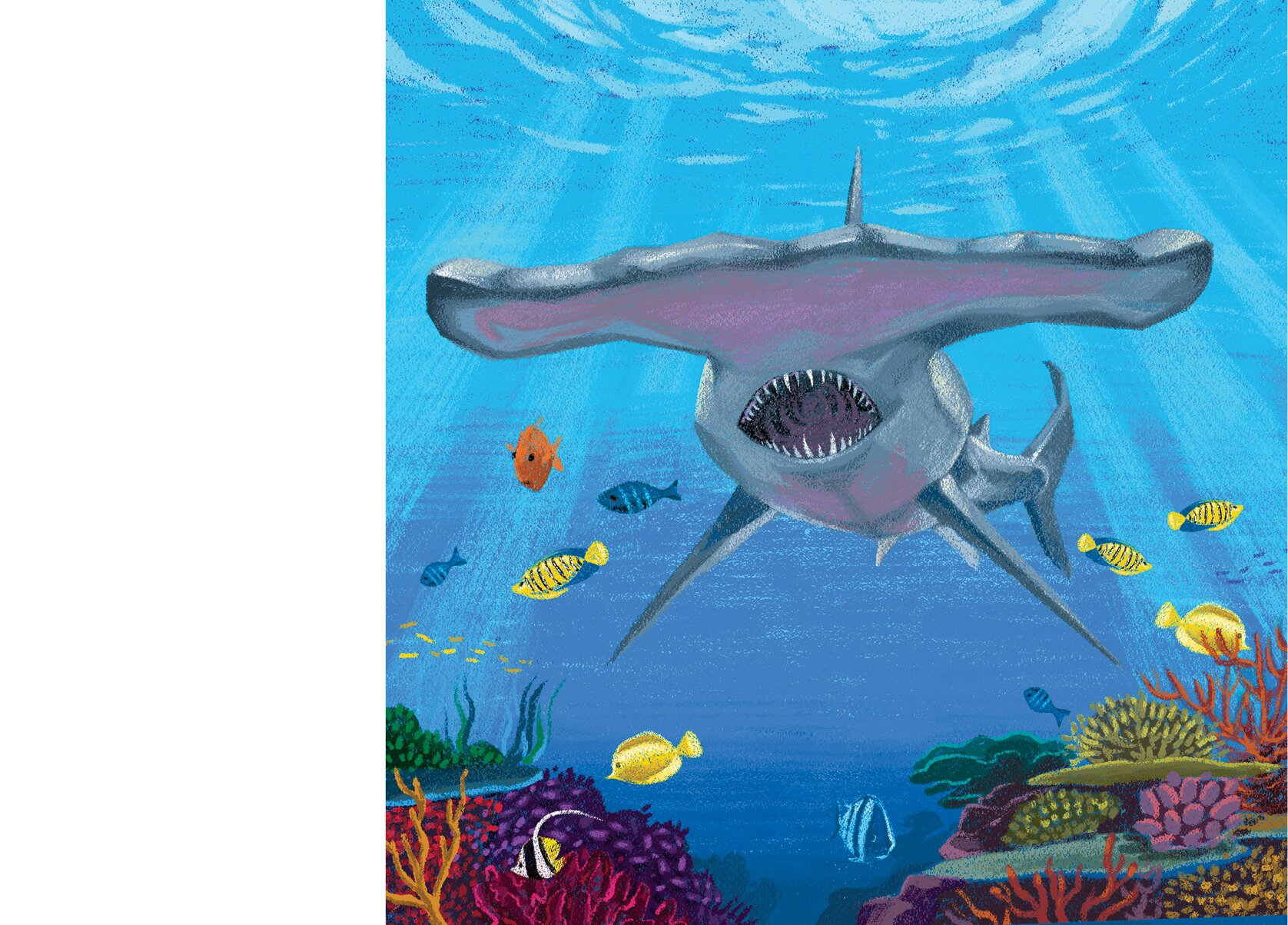
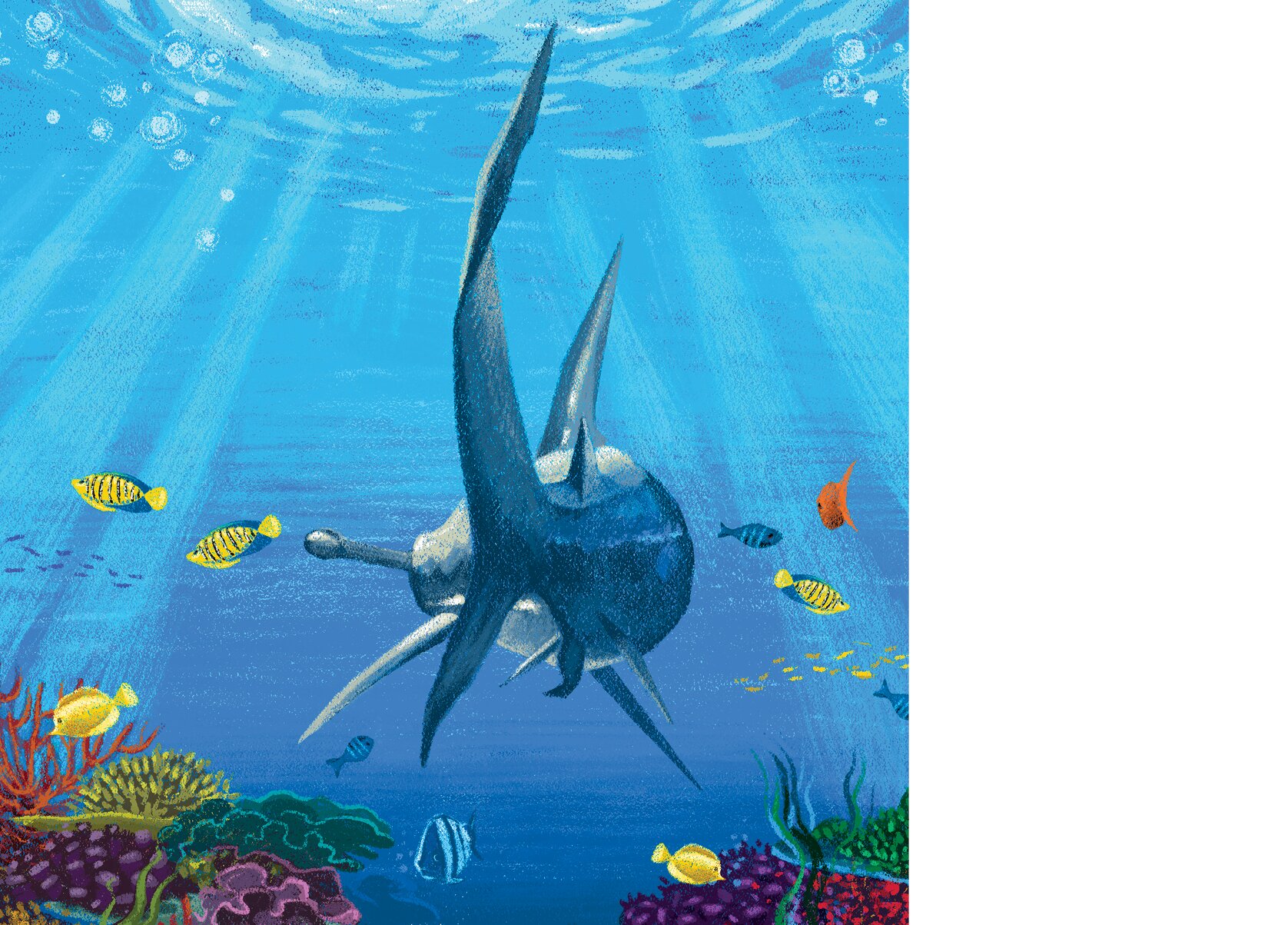
Pores along the snouts of great hammerhead sharks detect electrical signals emitted by their prey, stingrays. Their hammer-shaped snouts help pin their prey down! Their asymmetrical tails make them powerful swimmers.
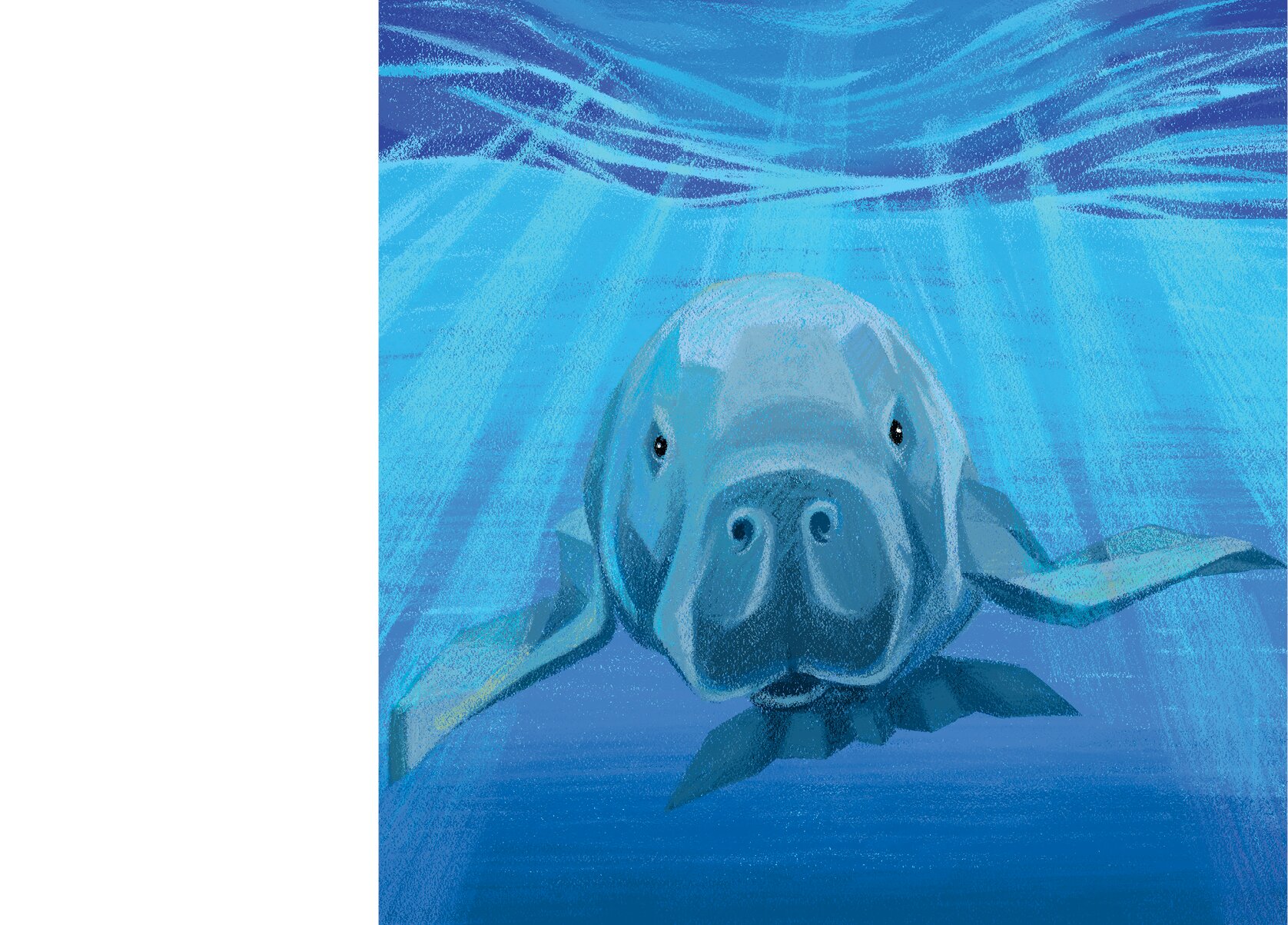
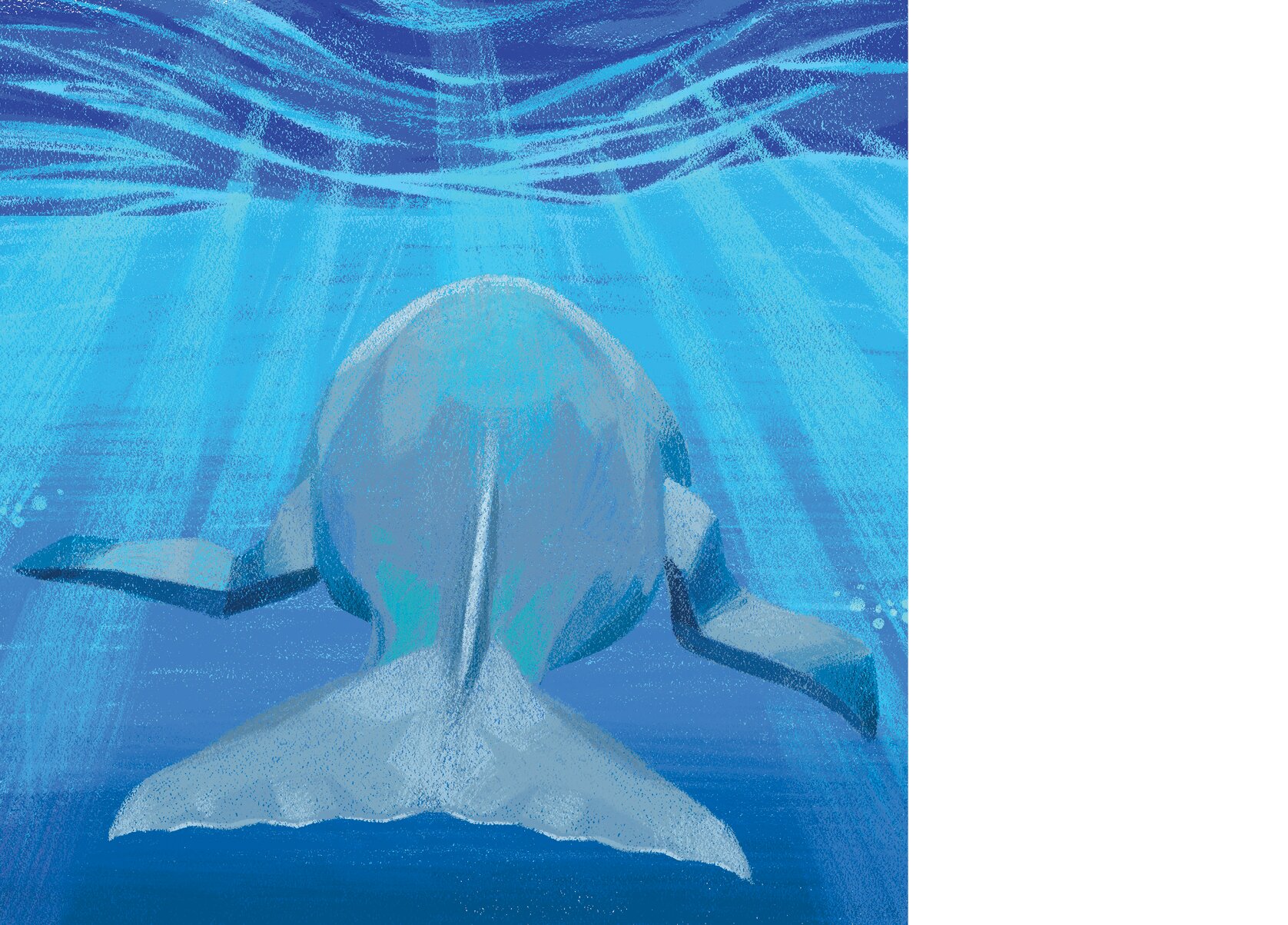
Dugongs have snouts that help them chomp on leaves on the seabed. Their tails are split into two equal lobes, or flukes, to help maintain balance when they swim and feed at the same time.
More About Snouts and Tails

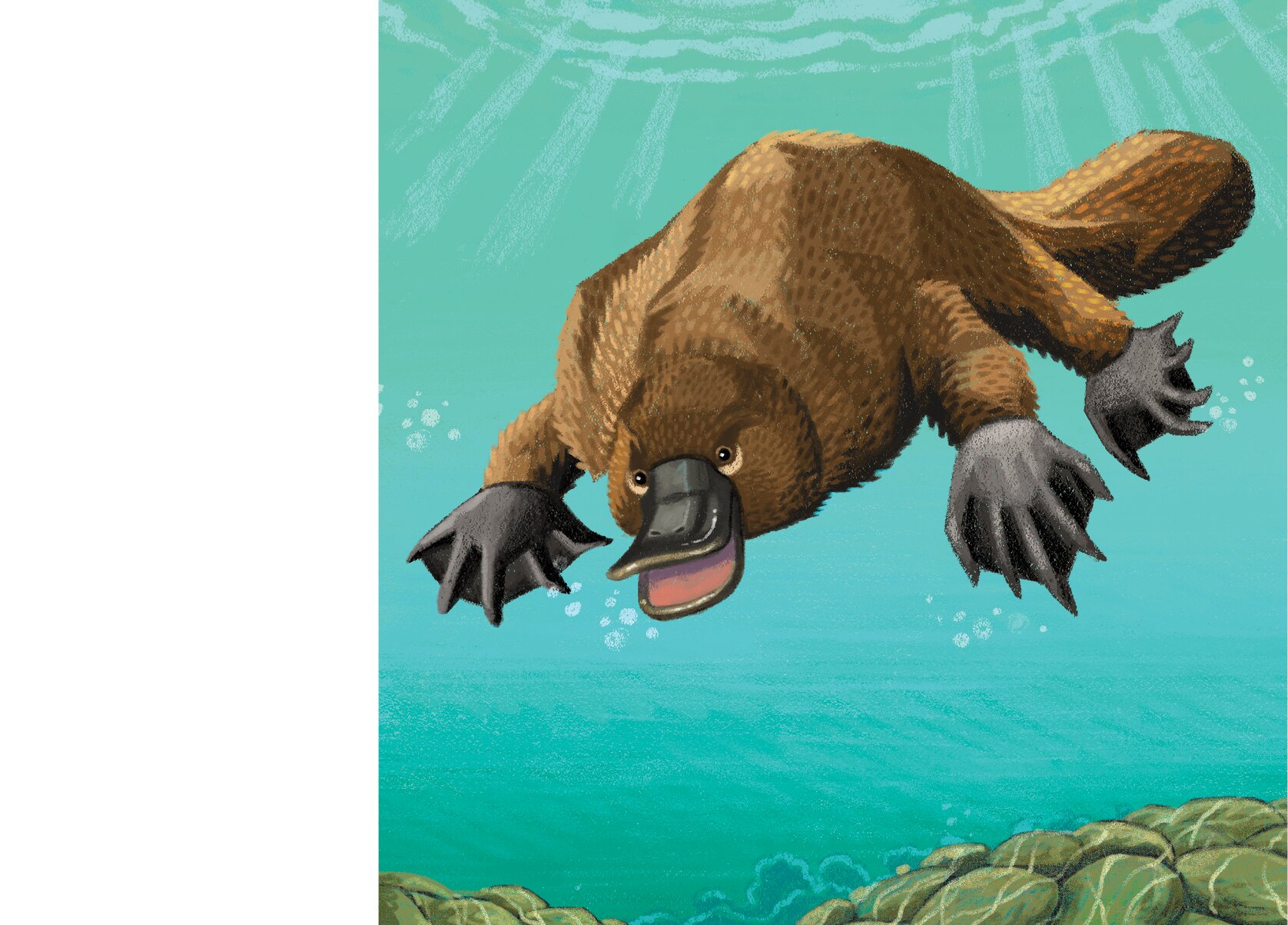
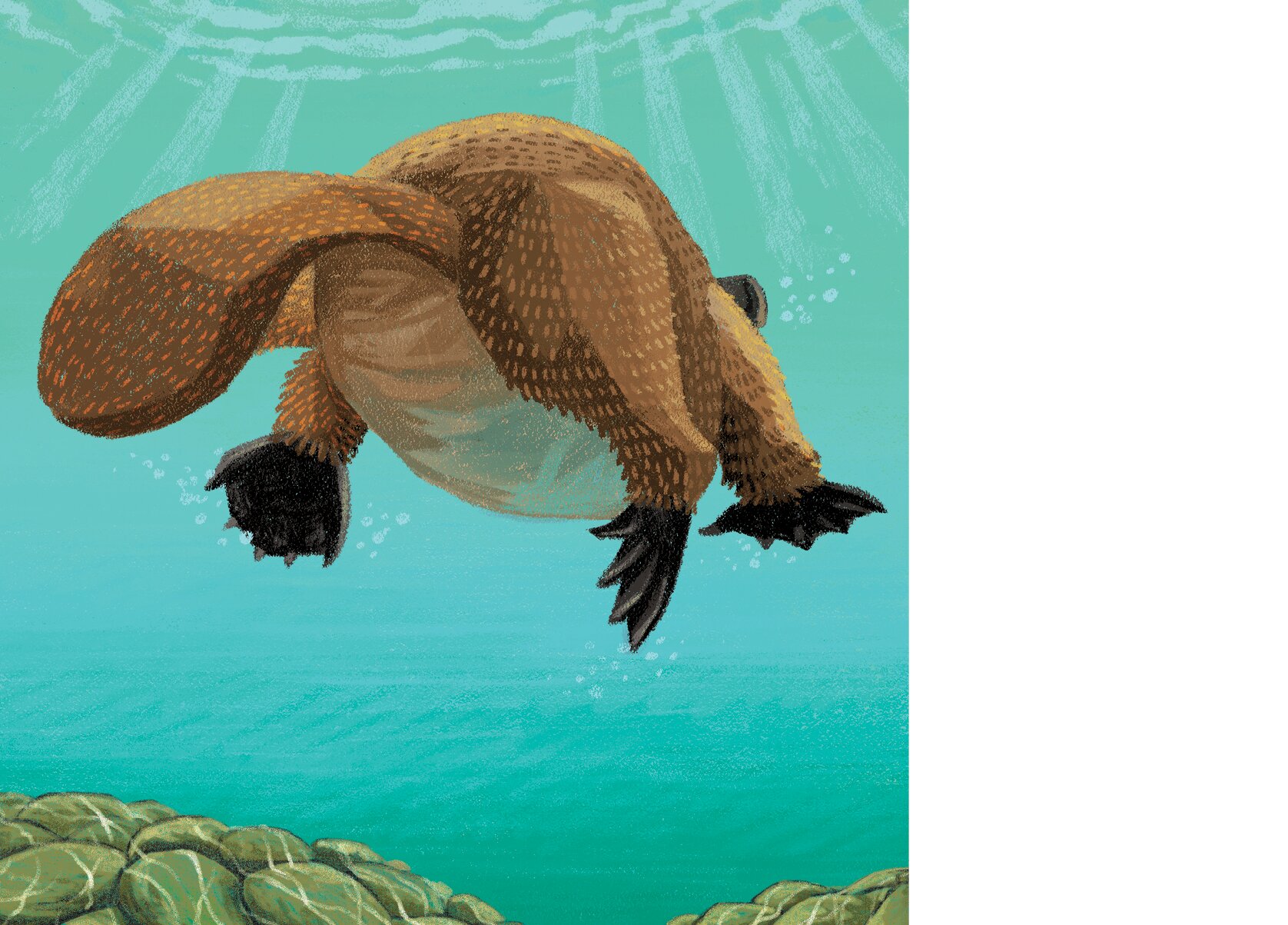
Duck-billed platypuses are the only mammals to have a broad, flat snout. Cells on the bill detect signals from prey underwater. Instead of teeth, their snouts have grinding pads to crush food. They use their flat tails like a rudder to swim. They also store fat in their tails to use it as an energy reserve when food supply is low.
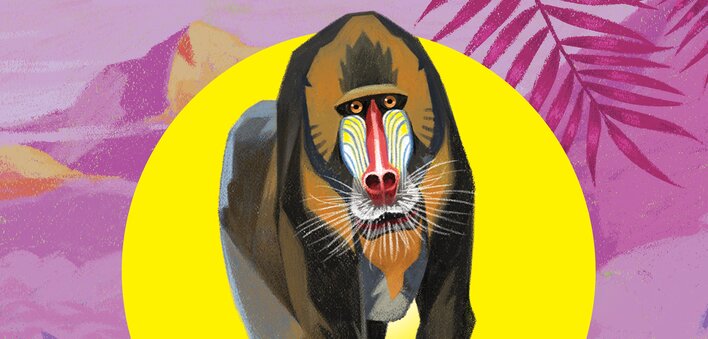
Male mandrills have colourful snouts and backs, which help them find mates, communicate and be visible in the dark, dense forest. Their short, stumpy, upright tails help them communicate with other troop members.

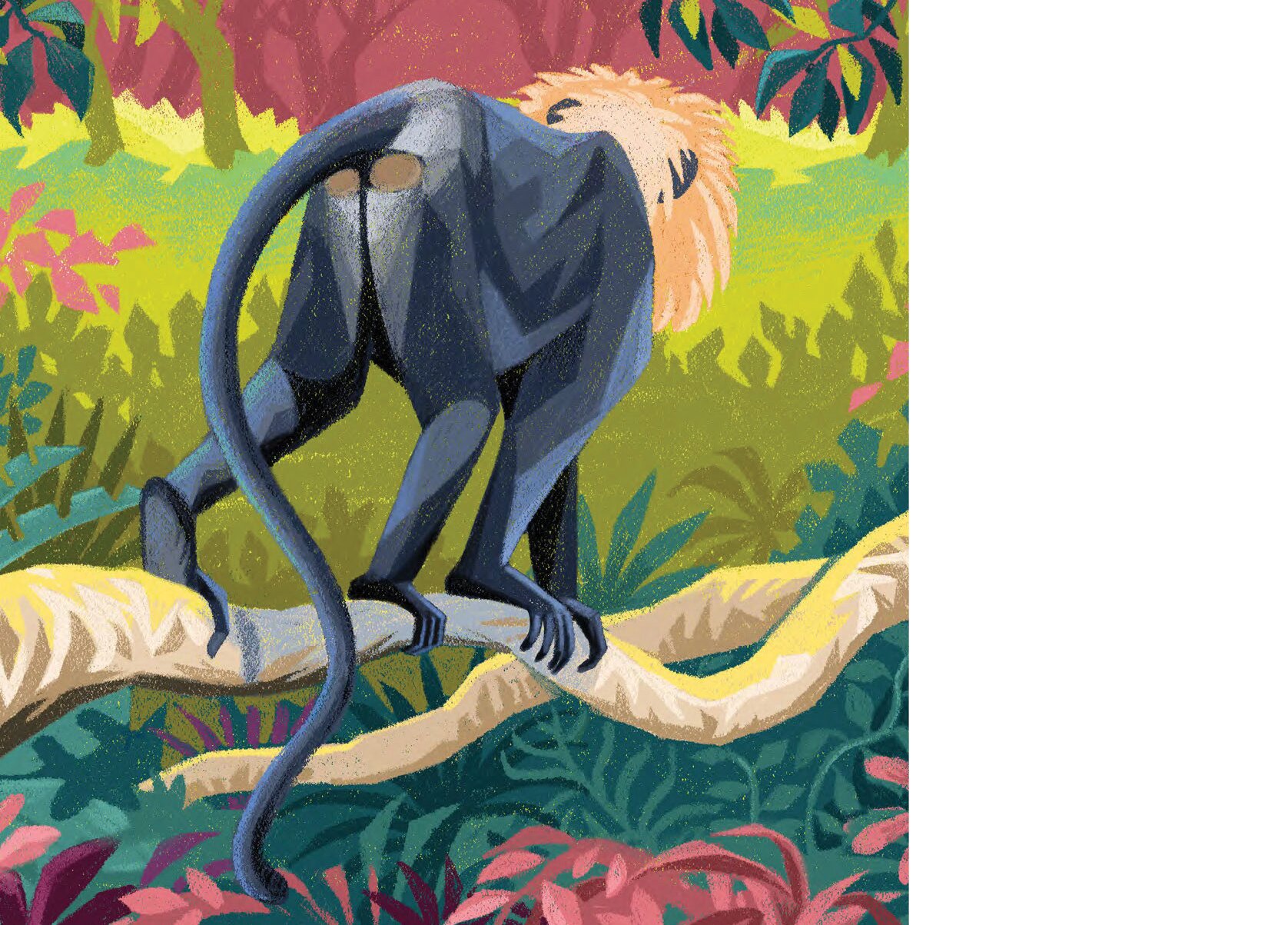
Nilgiri langurs use their snouts to grasp and pluck leaves and fruits. Their long tails help them to maintain stability and balance as they jump from tree to tree.
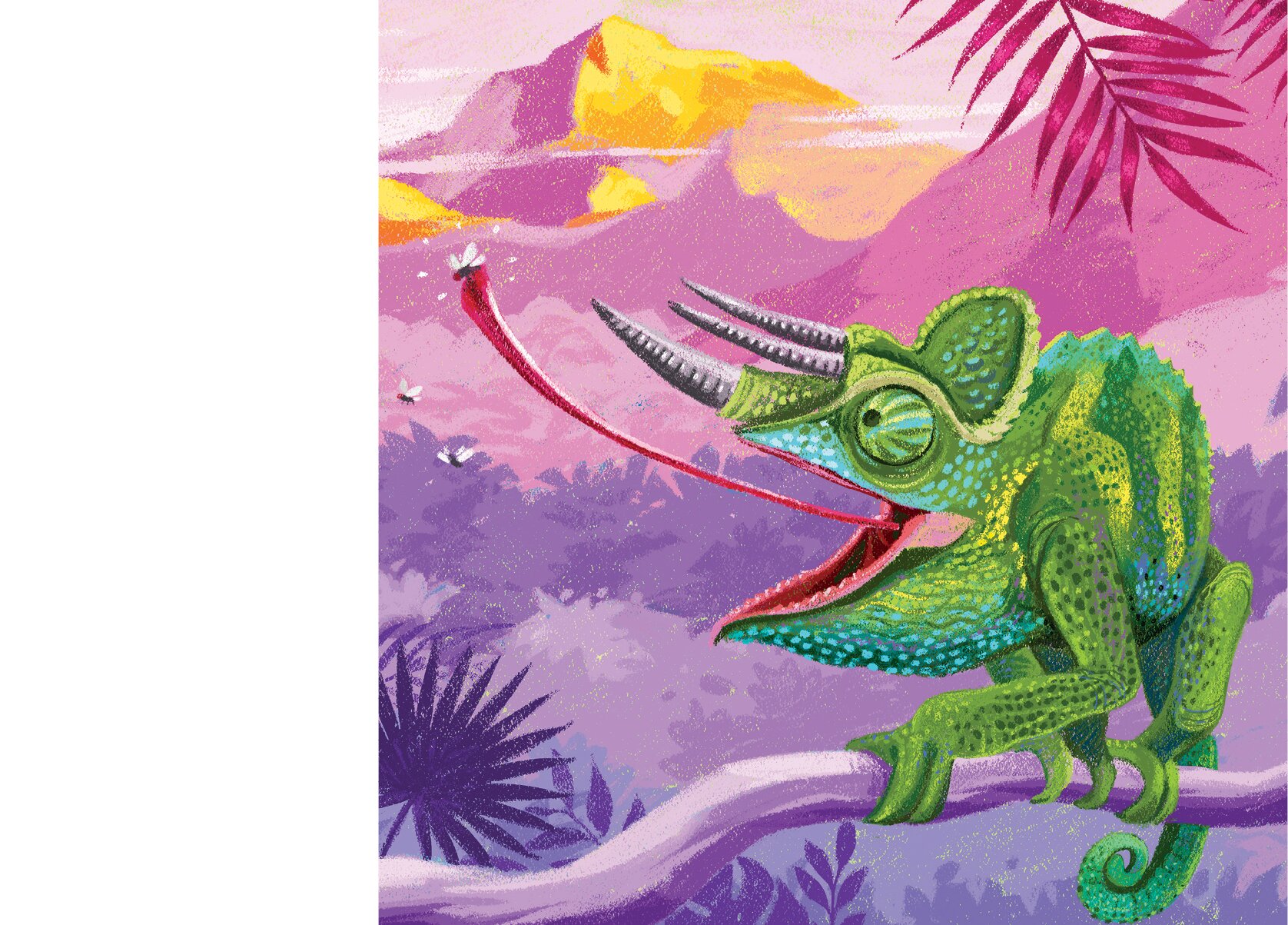
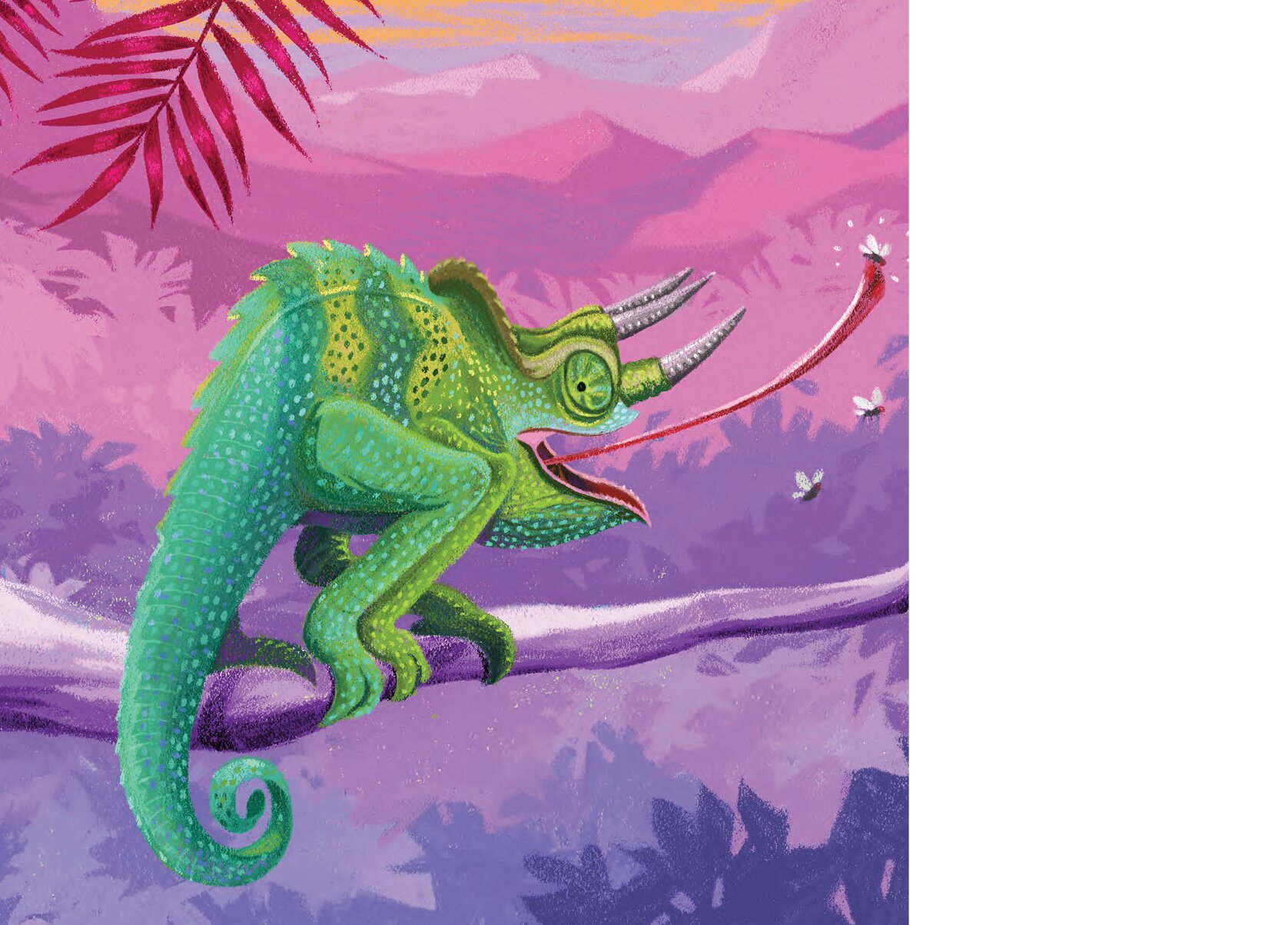
The three-horned snouts of male Jackson’s chameleons make them appear larger and scarier to predators. Their prehensile tails work like a fifth limb. They wrap the tails around branches for a firmer grip. Their tails can change colours according to the chameleons’ health or habitat!
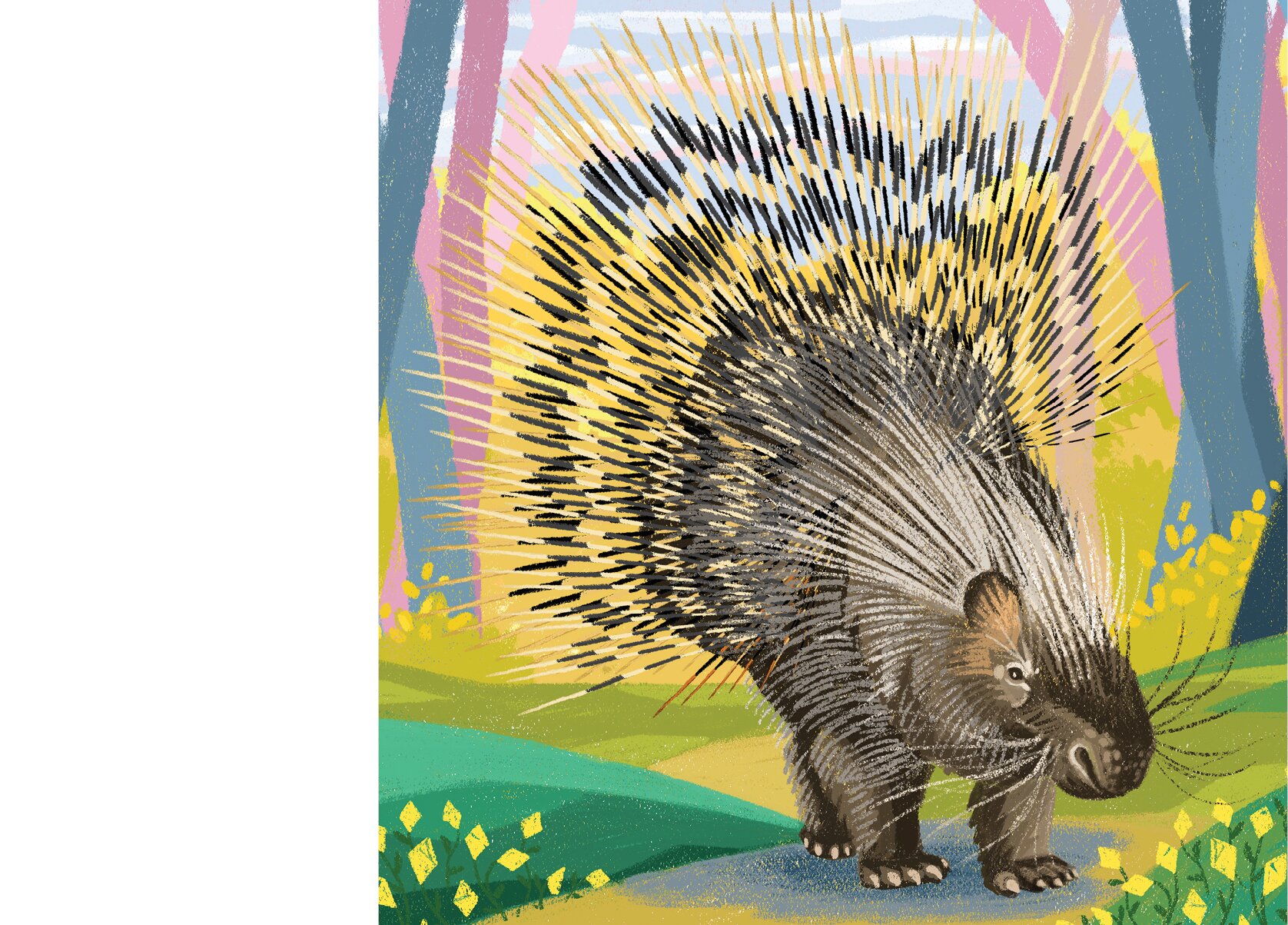
Indian crested porcupines have pointy snouts that are good at detecting smells. When attacked, the porcupines rattle the hollow quills on their short tails as a warning. They can charge backwards and stab their attacker with the quills.

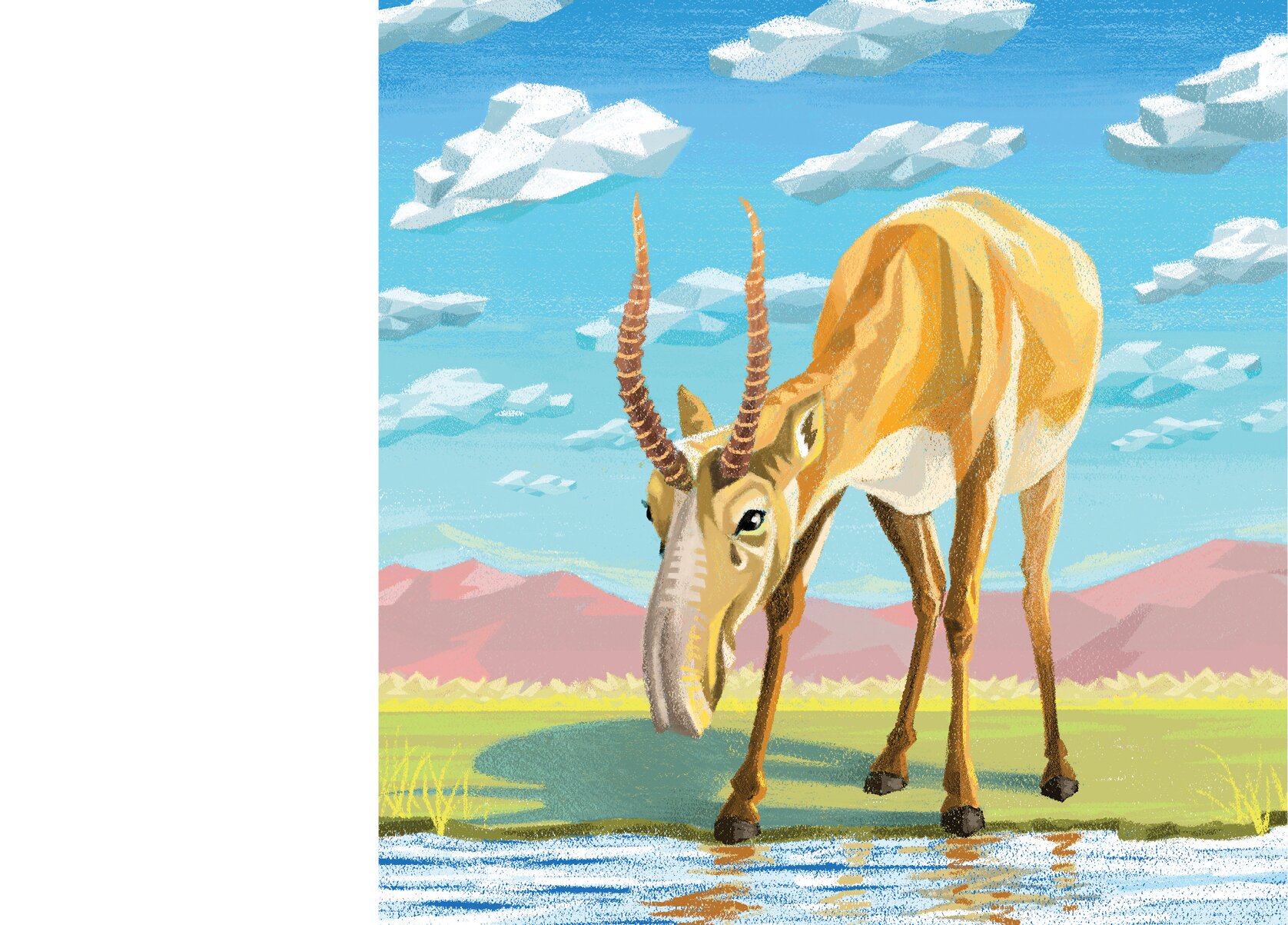
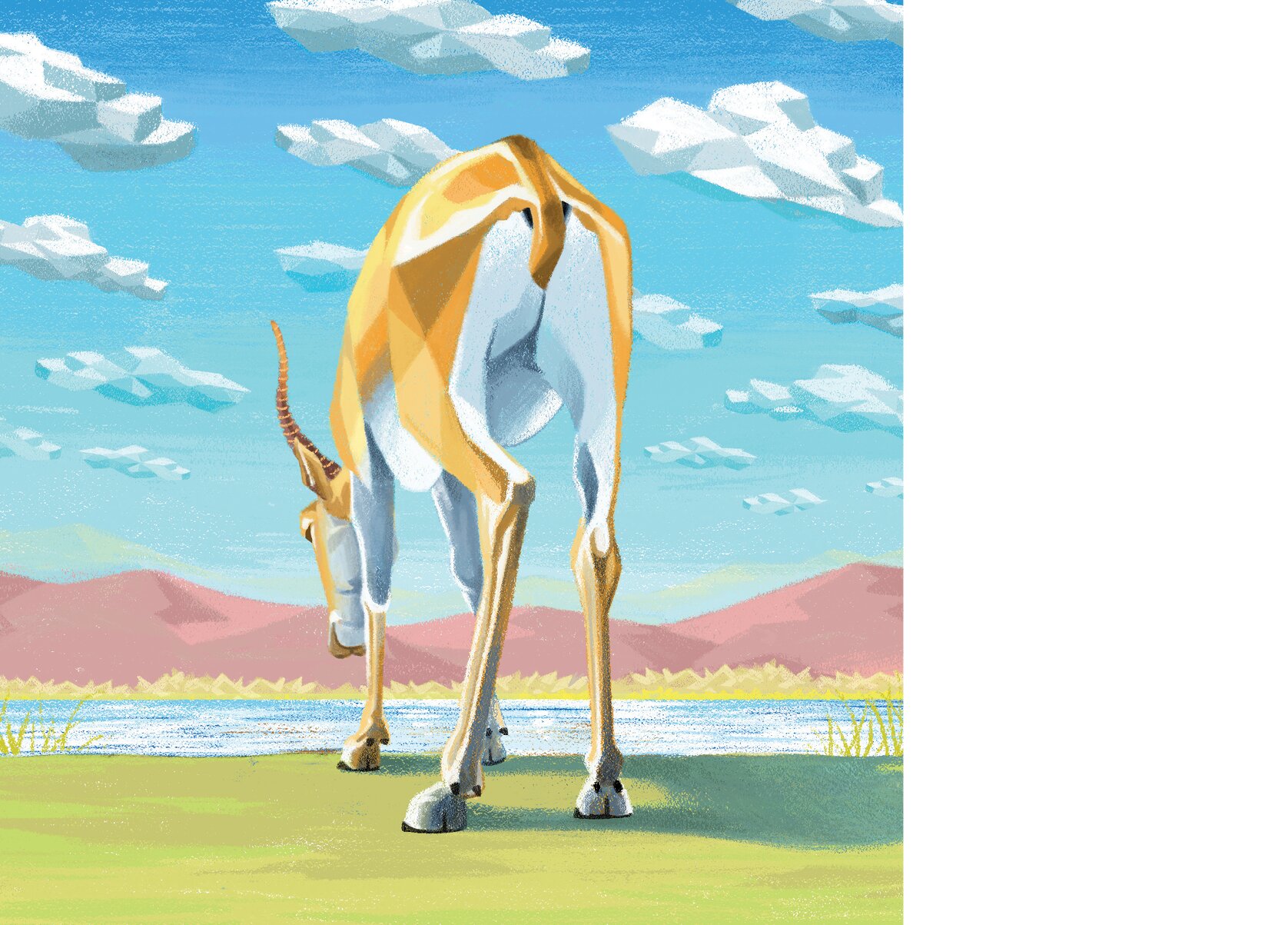
The snouts of Saiga antelopes look swollen and hang over their mouths. These snouts have a filter that removes dust particles inhaled during migration across dry and dusty open steppes. Their short tails don’t seem to have any function in their semi-desert environment.
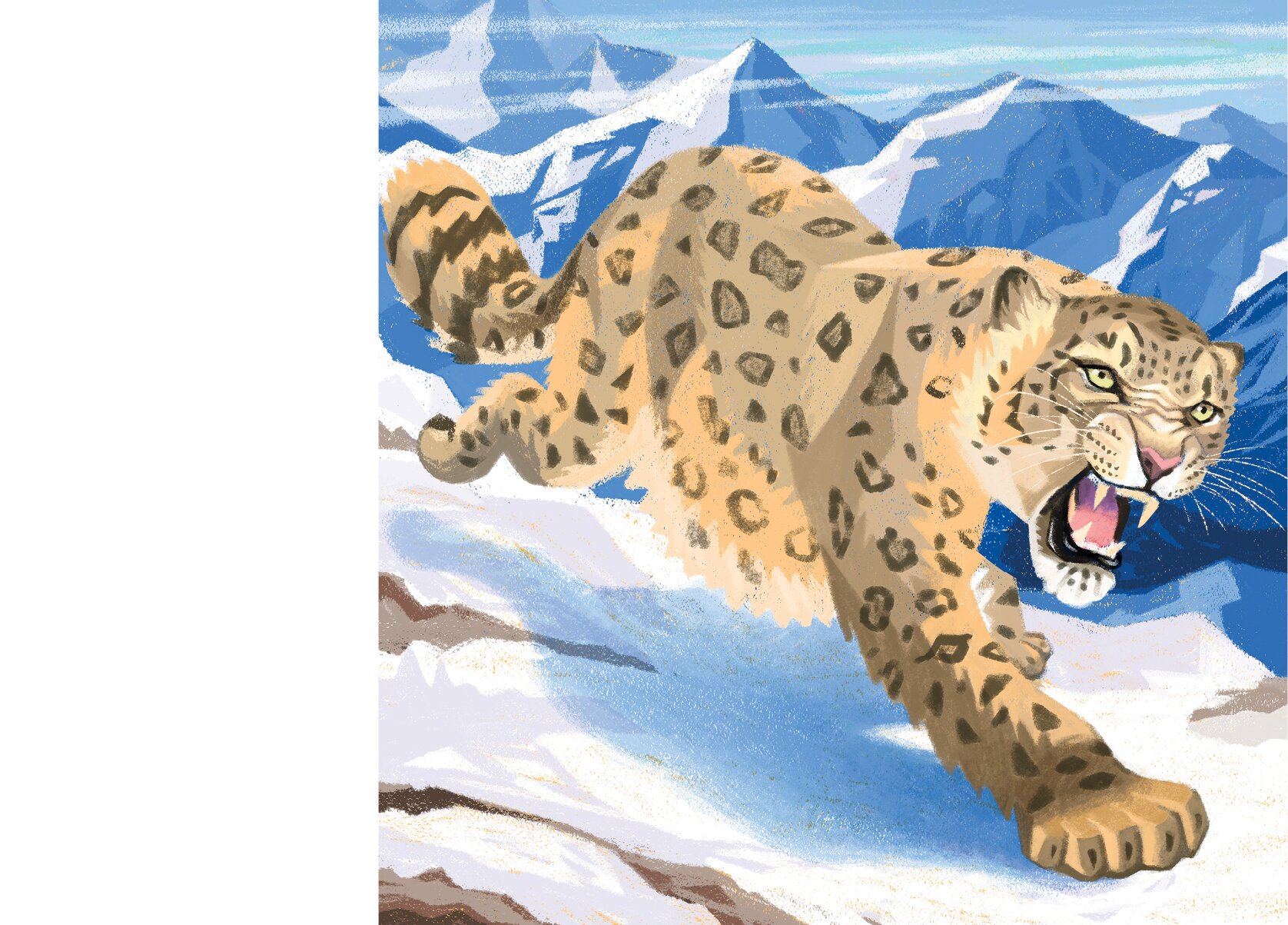
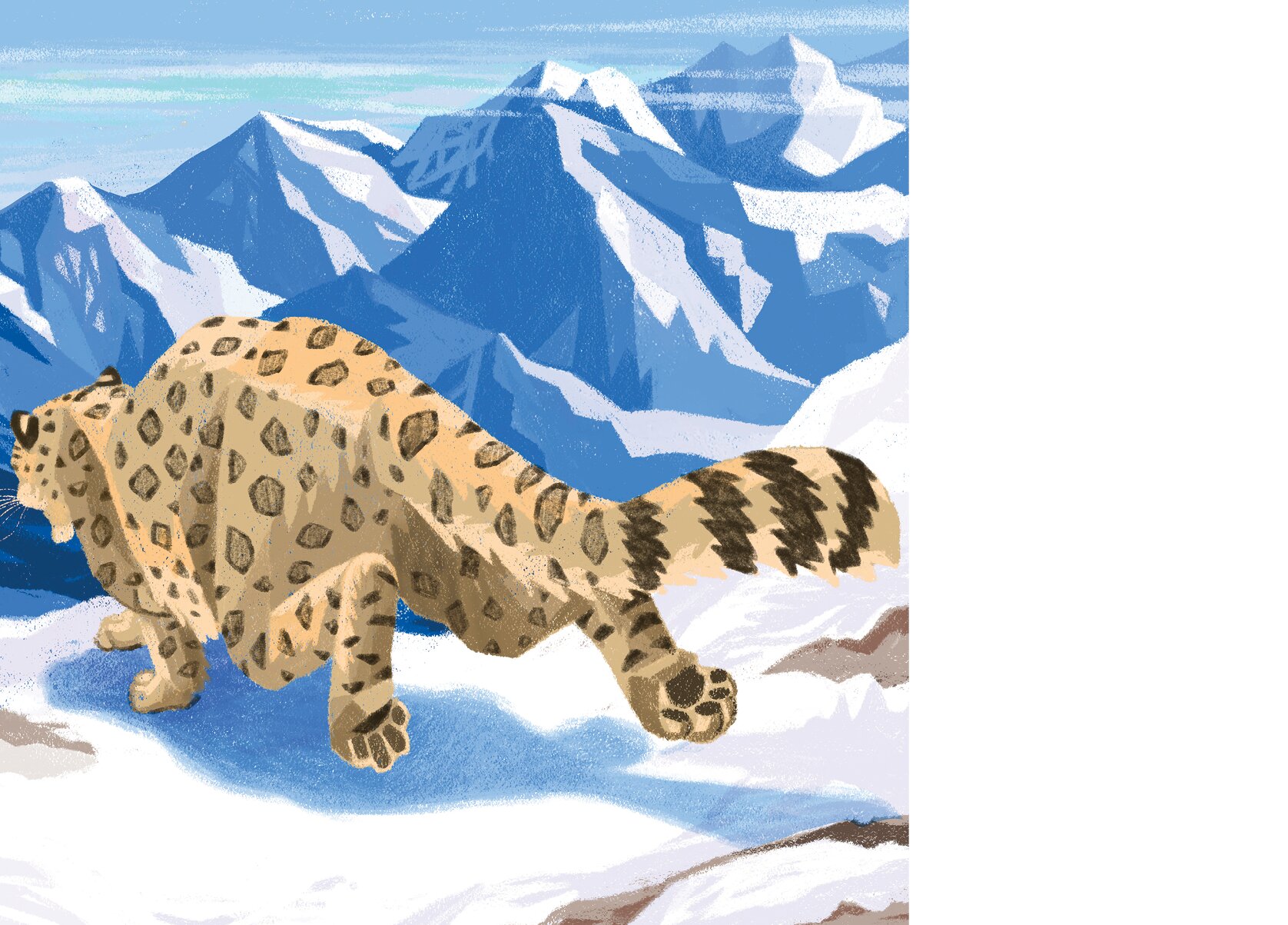
When snow leopards breathe in, their extra-wide noses heat up the cold Himalayan air! To stay warm, they wrap their extra-long tails around their body and tuck in their snouts. Their tails also help them keep their balance when climbing the steep terrain.