A Song in Space: Kesarbai Kerkar
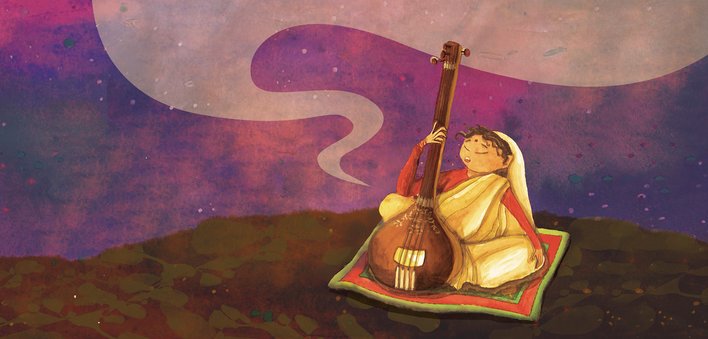
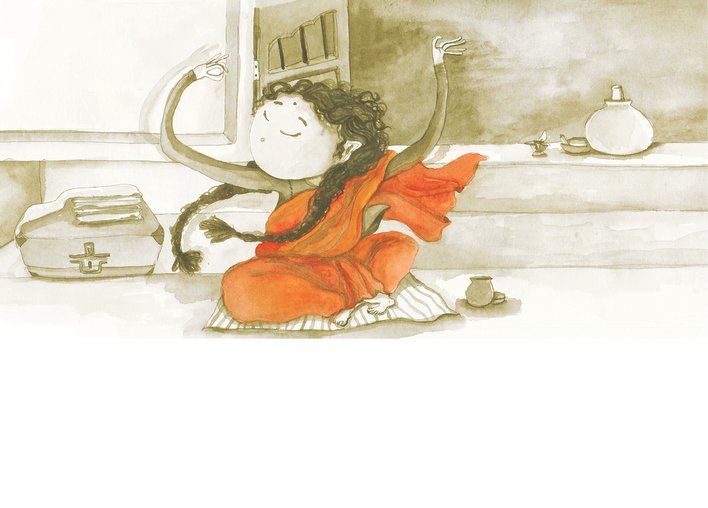
When Kesar was small, she would sing all day and night. She loved an audience and she sang to the birds, the trees, the sun, the moon and the stars.
She wondered if they could hear her.
Little did she know that some day her voice would travel not just across the world, but also journey into outer space on a spaceship.

In the early 1970s, astronomers and scientists at the National Aeronautics and Space Administration (NASA), in the United States of America, decided to send a spaceship into interstellar space. This is the space between stars and beyond our Solar System.
This spaceship was named Voyager.
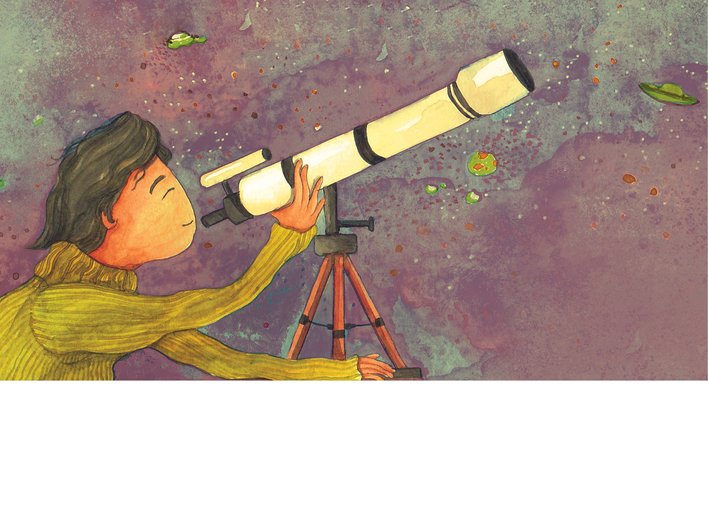
Carl Sagan, an astronomer and scientist, asked his colleagues, “What if our Voyager meets an alien? We must send them a gift. A golden record with the best sights and sounds of our beautiful planet,” he said.
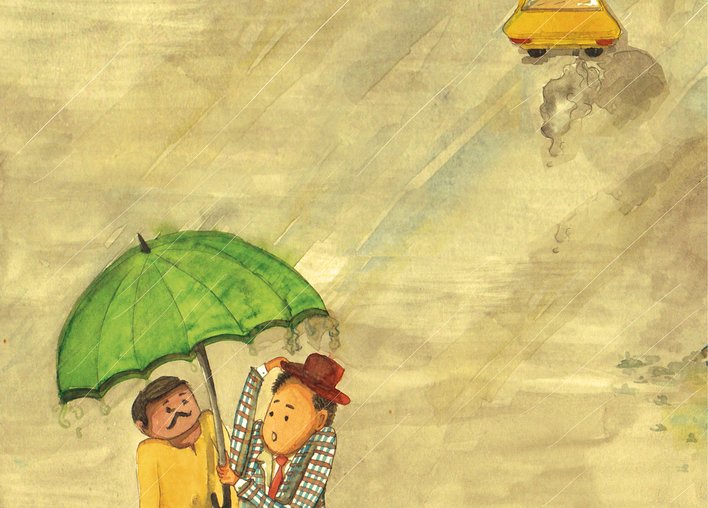
For months, a tireless team of scientists and musicians and Carl spent sleepless nights and days to develop a record that played —
Sounds of the whooshing winds, the pitter patter of rain, the rumble tumble of thunder.
Greetings in fifty-five different languages, footsteps and laughter.
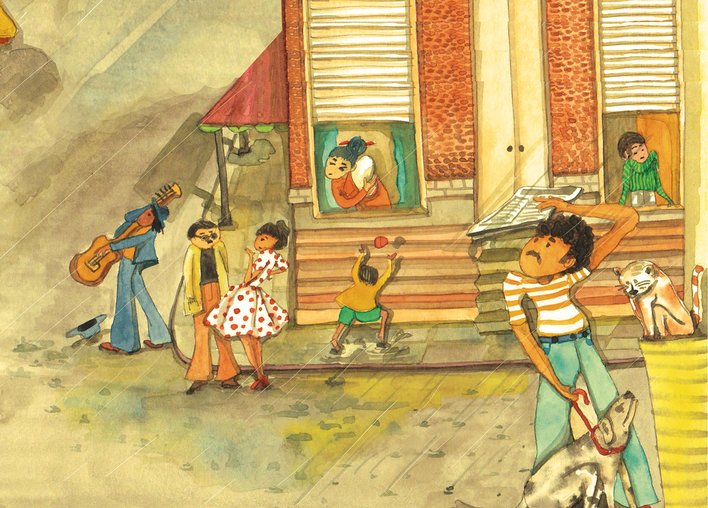
Whales whistling, babies gurgling, birds chirping, dogs barking, cats meowing.
And music by thirty artists from across the world.
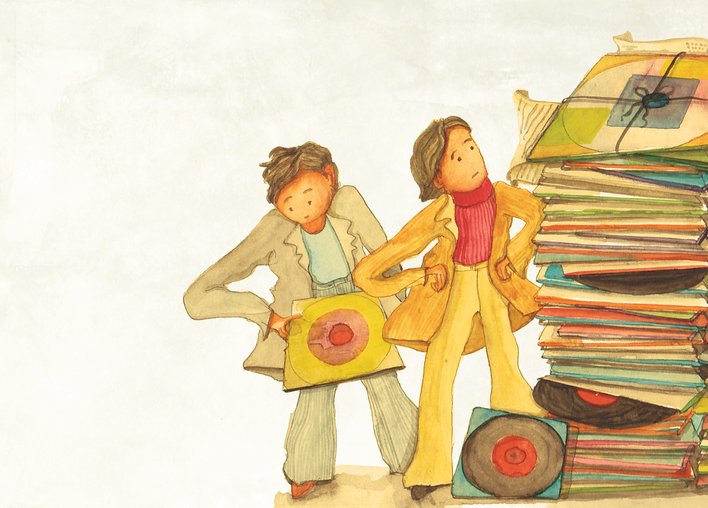
Robert E. Brown, a music lover, told Carl about a magnificent voice from India.
“Her name is Kesarbai Kerkar. Her singing is divine,” said Robert.
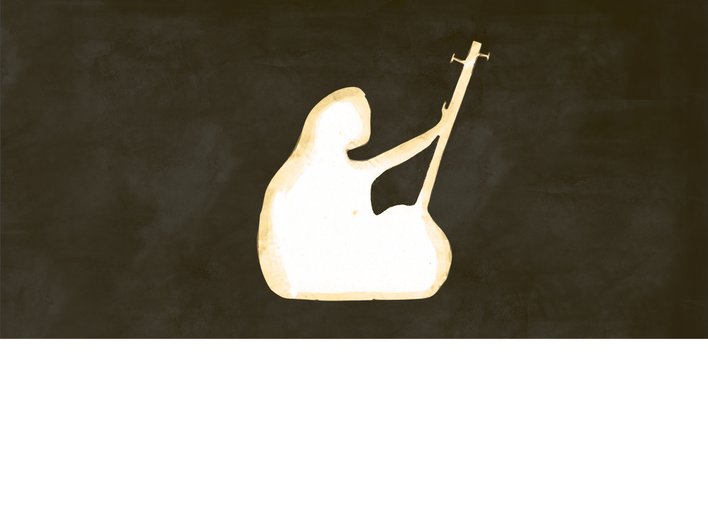
But Kesarbai had stopped singing in public in 1965. Photography, recording, microphones and even coughing had not been allowed in her concerts.
It was impossible to find traces of a singer who hated being recorded. But Ann Druyan, the producer of the record, wasn’t going to give up easily.
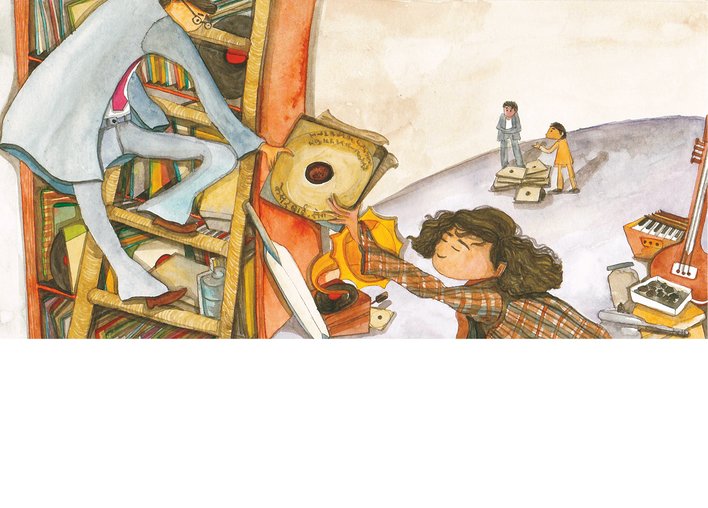
Ann’s team searched for Kesar’s voice in music stores. They reached out to music companies and music lovers. Finally, they found a dusty, old record of Kesarbai’s songs in the storeroom of an Indian shop in New York.
The Golden Record was completed in 1977. It contained only one song from India: Kesarbai Kerkar’s 'Jaat Kahaan Ho Akeli O Gori’.
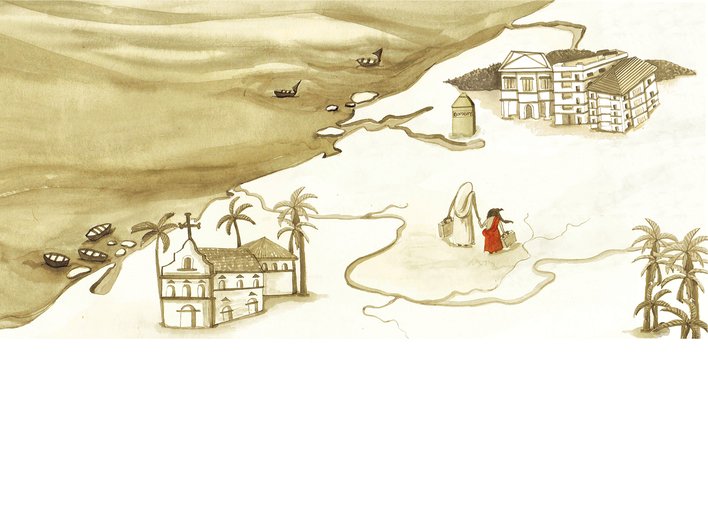
Kesar was 11 years old when she left Keri, a little village in Goa, in 1903. India was still ruled by the British and Goa by the Portuguese.
She travelled far and wide, with her mother, for years in search of a Guru. She finally reached Mumbai, then called Bombay — a city where many musicians lived.
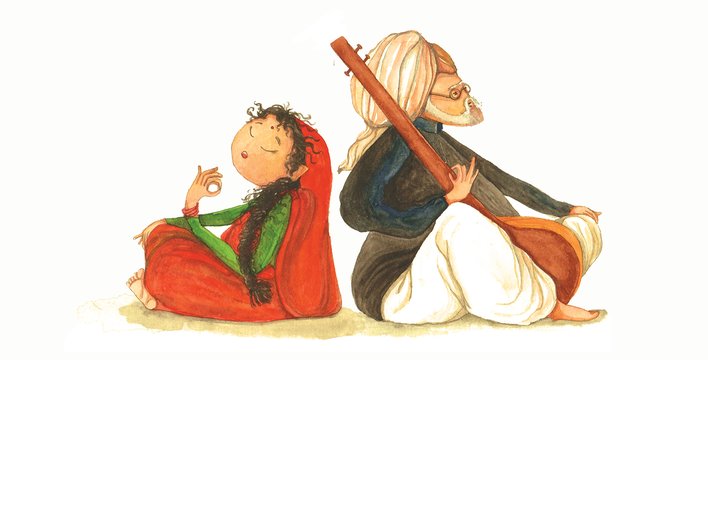
Soon she was training under the great Ustad Alladiya Khan from the Jaipur Atrauli Gharana, who made her practise 16 hours a day. Ustadji never taught girls, but when he heard Kesar sing, he broke this rule.
Kesar chose to sing khayal, the toughest style of classical singing. Until then, only men performed khayal in front of an audience.
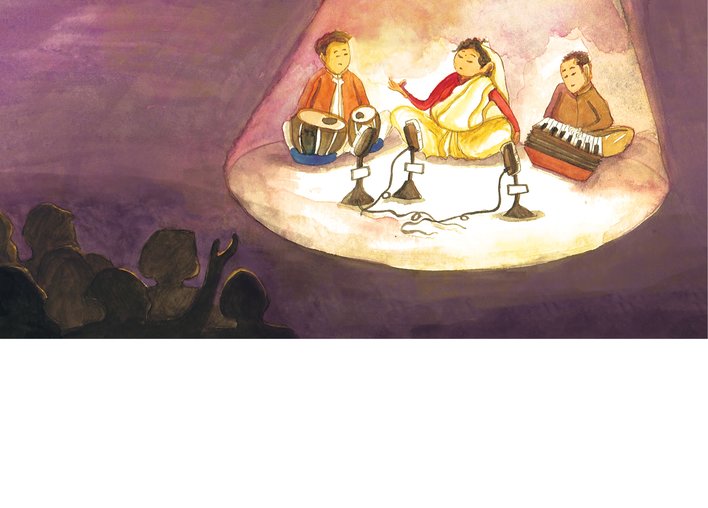
Kesar broke all the rules of classical singing in those days. She performed at concerts, she sat cross-legged — even though it was frowned upon for girls — because it allowed her more control over her breath.
She sang in palaces, she sang at baithaks and she sang in gardens.

She never announced which raag she was going to sing. “Those who know will know what I am singing, those who don’t, don’t need to, anyway,” she would laugh.
Everyone was entranced by Kesar’s voice.
Until, after 35 years of singing, her voice began to quiver and break mid concert.
“I will never sing in public again,” she announced.
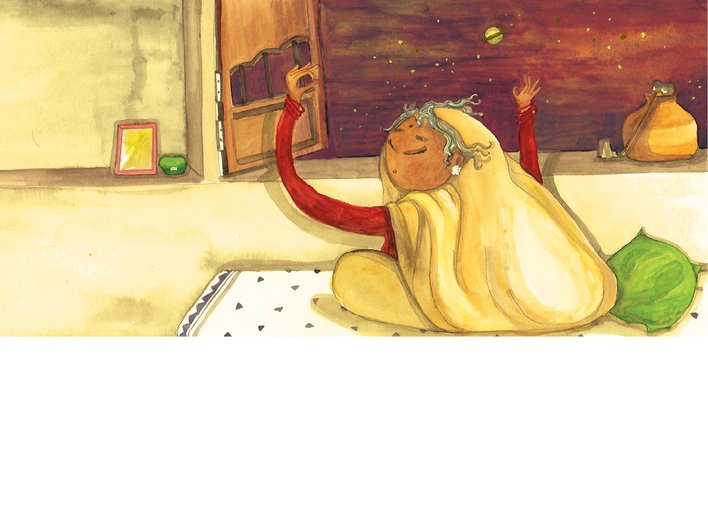
As Voyager took off into space in 1977, Kesarbai breathed her last. Her song will play in space for all time.
Little Kesar didn’t know her voice would be heard on Earth and beyond. All she knew was that she loved to sing.
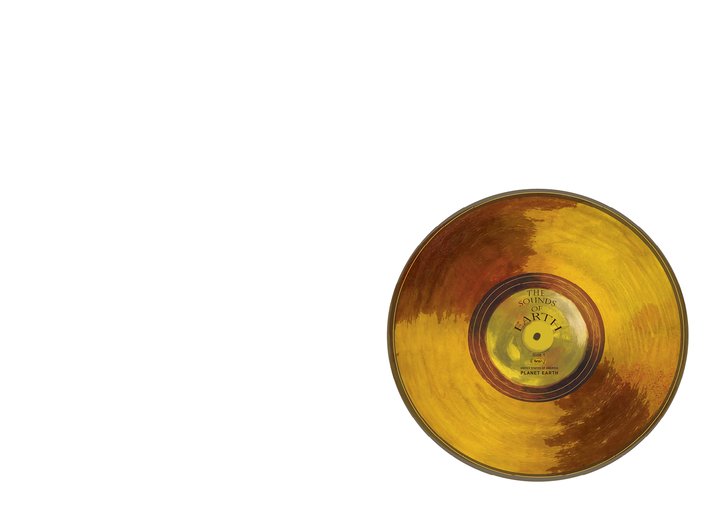
Some of the songs that were included in the record:
• ‘El Cascabel’ from Mexico, performed by Lorenzo Barcelata and the Mariachi México. • ‘Dark Was the Night’ written and performed by Blind Willie Johnson. • ‘Flowing Streams’ from China, performed by Kuan P’ing-hu. • ‘Jaat Kahaan Ho’ from India, performed by Surshri Kesarbai Kerkar. • ‘Kinds of Flowers’ from Java, recorded by Robert Brown. • ‘Queen of the Night’, Aria, no. 14 from The Magic Flute by Mozart. Edda Moser, soprano. Bavarian State Opera, Munich, Wolfgang Sawallisch, conductor. • ‘Tsuru No Sugomori’ (‘Crane’s Nest’) from Japan, performed by Goro Yamaguchi.
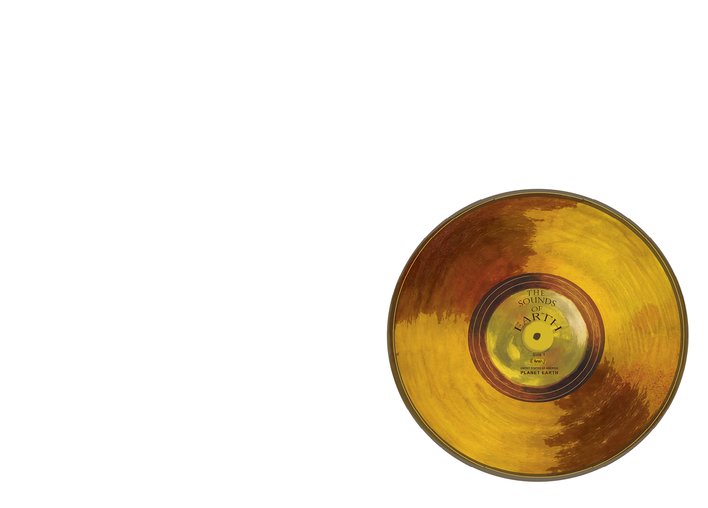
Bibliography
• https://caravanmagazine.in/vantage/kesarbai-becomes-malkauns • https://www.newyorker.com/tech/annals-of-technology/ voyager-golden-record-40th-anniversary-timothy-ferris • https://www.thehindu.com/features/friday-review/ Girl-on-the-go/article14993416.ece •https://theprint.in/opinion/treasured-tunes/kesarbai-kerkar -the- indian-voice-that-made-it-to-nasas- voyager-mission/256137/ • http://www.untold.in/tag/kesarbai-kerkar/ The Music Room by Namita Devidayal • Interview with Namita Devidayal, author of The Music Room and a disciple of Dhondutai Kulkarni, who was a disciple of Kesarbai Kerkar.