Museum
A museum is a building which is open to the public. It is also the institution where things are collected and then shown to people.
History
The word, museum, originates from Musa which is the goddesses of literature, art, and science who appears in Greek mythology.
According to the International Council of Museums (ICOM), the definition of museums has changed over time.
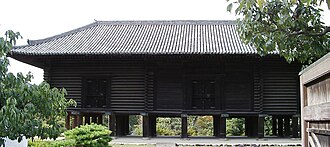
The oldest museum structure in the world is the Shōsō-in in Nara, Japan.
Today's museums are non-profit, permanent institutions in the service of society and its development.
Function
A museum acquires, conserves, researches, communicates and exhibits the tangible heritage and the intangible heritage of humanity and the environment.
Museums exist for the purposes of education, study and enjoyment.
Some museums have things that visitors can do. For example, ecomuseums exist.
Museums can be about different things such as art, national history, natural history, or science. People go to museums sometimes to learn, or to simply have fun.
Museums with live animals are called zoos.
Exhibitions
- Temporary or changing exhibits
Exhibition which selects works along with some themes, e.g., a writer, a time, an area, etc.
Exhibition which selects works along with some themes, e.g., a writer, a time, an area, etc.
- Permanent exhibits
Exhibition which displays the works which the museum possesses.
Exhibition which displays the works which the museum possesses.
Gallery
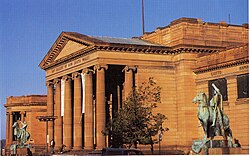
Art museums
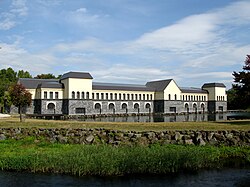
History museums
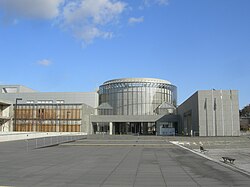
Literature museums
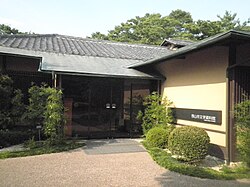
Natural history museums
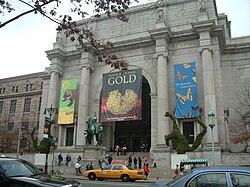
Open air museums
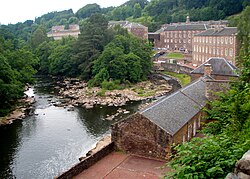
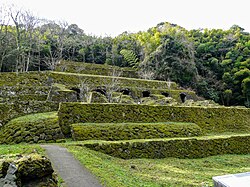
Science museums
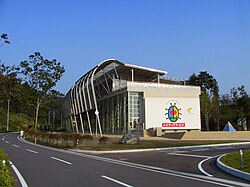
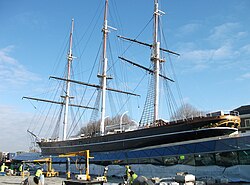
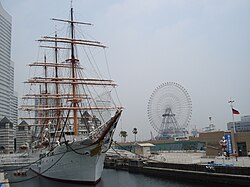
Museum ships